“Not even a pot to piss in”

I’ll never look at a certain shape of pot again without thinking of urine.

Made of plain clay, it’s taller than you’d imagine a ‘piss-pot’ would be – and narrower round the neck than at its widest point. It stood outside what was probably a hovel. Because the pot was used to store urine until it was sold. Urine from people who were ‘piss poor’.

Before the advent of chemicals, urine was used in the production of woollen cloth to strip lanolin from the wool. Men trod the urine into the wool with their bare feet and as a result they smelt. I would say you can imagine, but I can’t – and I don’t want to.

As our guide at Helmshore Mills in Lancashire was recounting these plain facts, I thought, ‘what’s to stop them topping up the urine with water?’

The man who collected it would taste it, that’s what.
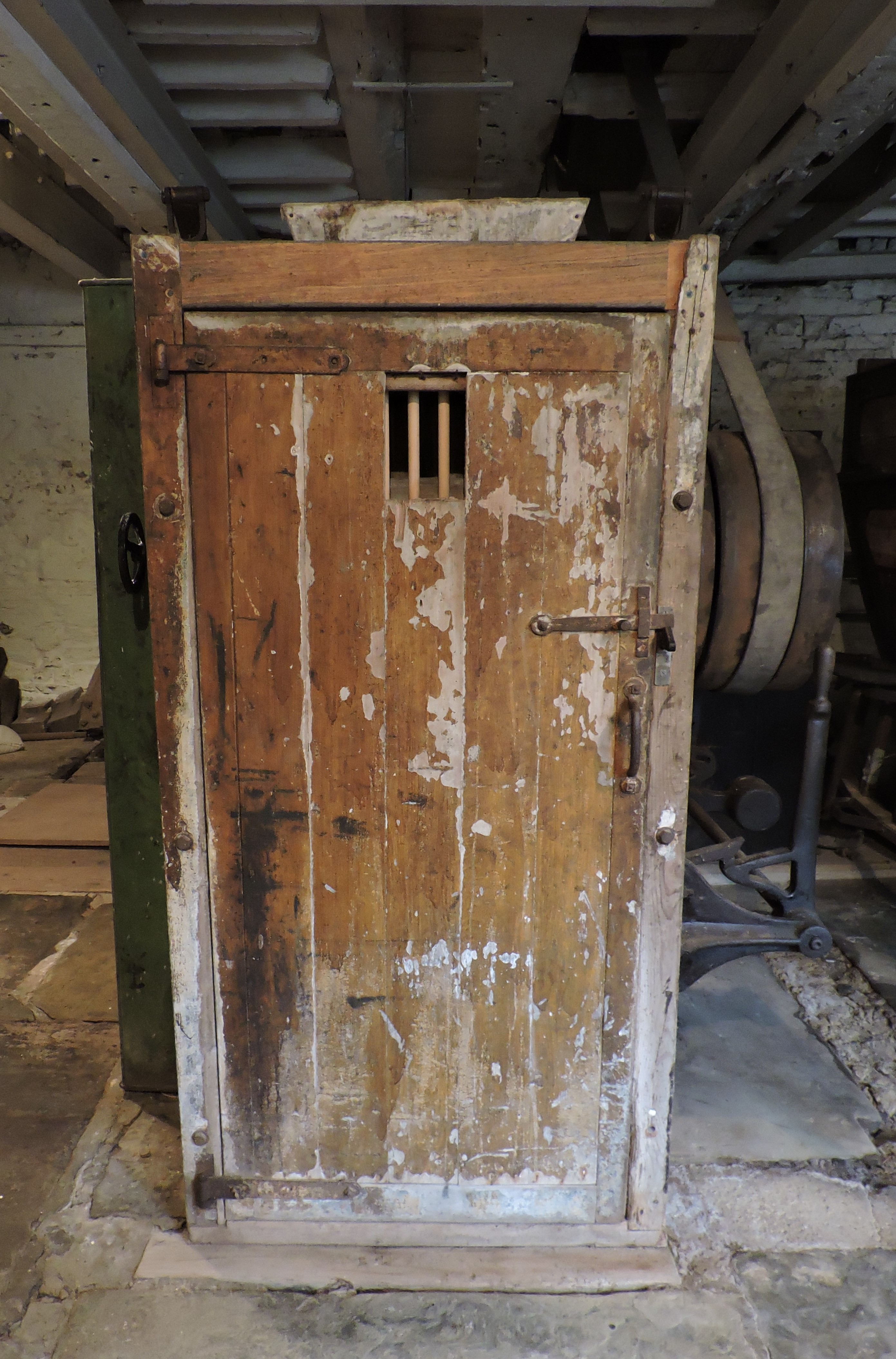
Earlyhealth &safety? The door shut on dangerous machinery used in fulling of wool

Early health & safety? The door shut on dangerous machinery used in fulling of wool

Red-heads and Methodists were paid more. Methodists didn’t drink alcohol, so I can see that – but red hair?

By the time I’d reached this point in the story of the two mills, cotton and woollen – unusually, side-by-side – I was cold and needed a cup of tea. But only because the last bit, by the old water wheel, was unheated.
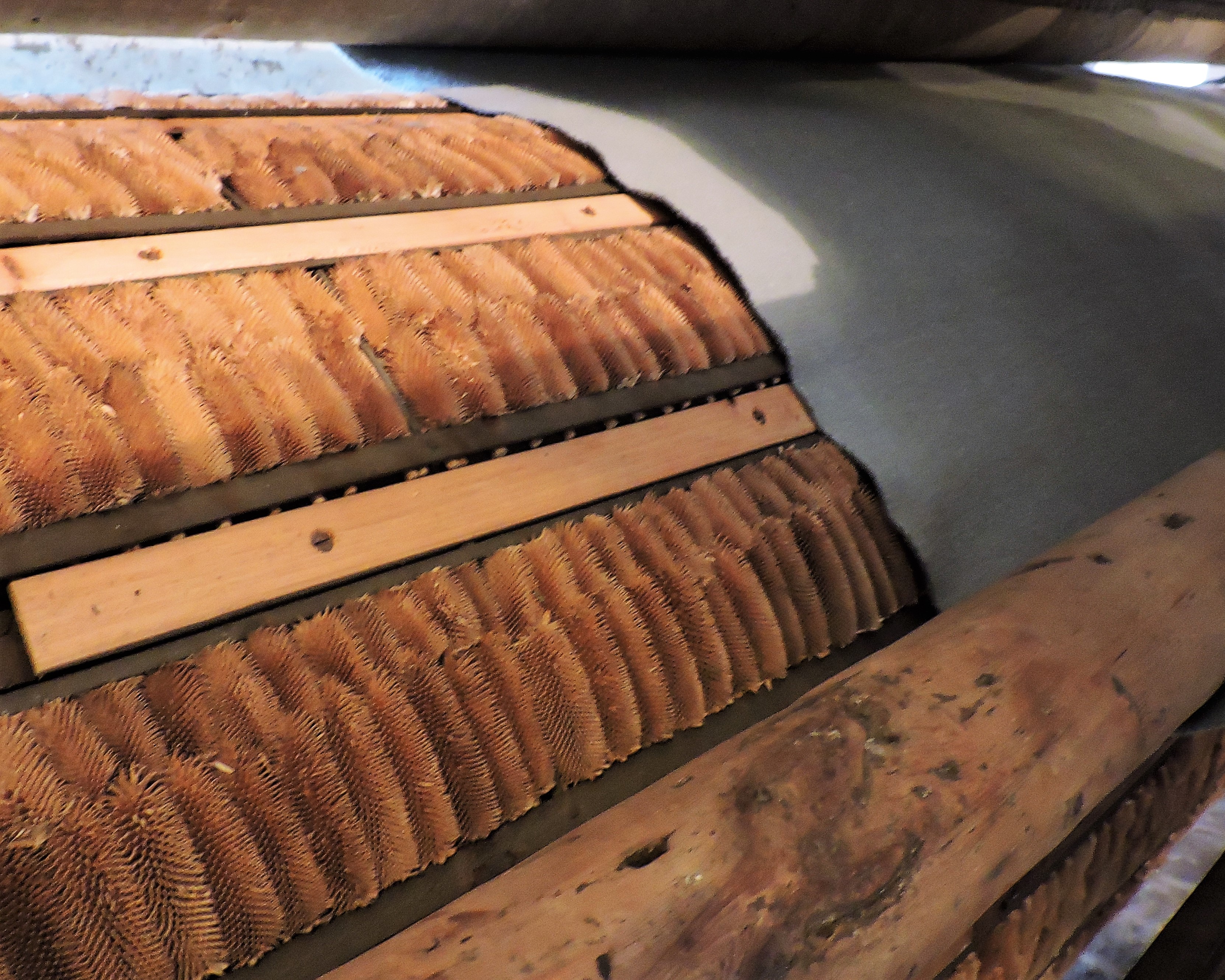
Teasels were used to comb wool even in mechanised production

Teasels were used to comb wool even in mechanised production


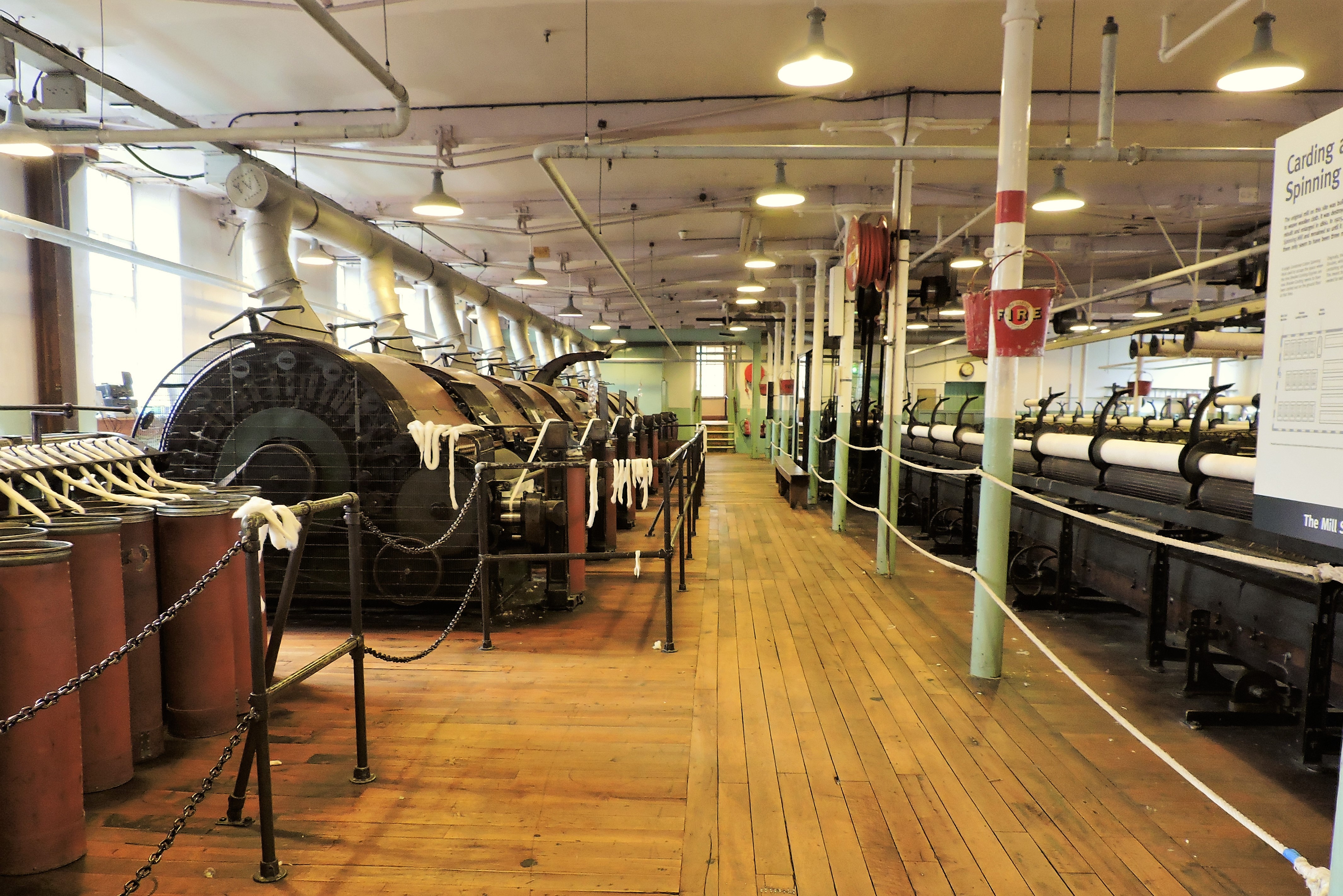
Upstairs, the cotton mill was hot and humid, ideal conditions for working cotton – but we weren’t having to run around, risking our lives, as machinery clattered to and fro and dust filled the air and our lungs.
DSCN1394 - Copy (2)

Everyone I spoke to at the museum was knowledgeable, enthusiastic – and worried. Because, in a few weeks’ time, the museum may shut. For good.

Lancashire County Council’s museums budget for 2015-2016 was £1.23 million. Five museums are scheduled for closure, two of them mills. The other, Queen Street Mill in Burnley is the world’s only surviving, operational, steam-driven weaving shed.

Alan was visiting at the same time as us - he used to work in a nearby engineering factory making equipment for the textile industry. In 1983 his factory closed down and he became a school caretaker 'the best job I ever had'

Alan was visiting at the same time as us – he used to work in a nearby engineering factory making equipment for the textile industry. In 1983 his factory closed down and he became a school caretaker ‘the best job I ever had’

Lancashire was the King of Cotton. The industrial revolution brought its merchants vast wealth, its masses drudgery and danger – but still, it was employment.

To save a few hundred thousand pounds Lancashire is losing what is arguably one of the most important reminders of its past.

To put those hundreds of thousands of pounds in context, let’s travel south …

As the machine went back and forth, children dodged beneath picking up debris. To see if they were old enough to work there, a child had to be able to touch the left ear with the right hand over the head.

As the machine went back and forth, children dodged beneath picking up debris. To see if they were old enough to work there, a child had to be able to touch the left ear with the right hand over the head.

In London, a new footbridge across the Thames is being planned. London already has many bridges, including a fairly recent footbridge. But this one will be a garden.

For the joy of having a footbridge we don’t need in our capital, taxpayers everywhere are paying £60 million. Plus annual maintenance costs – possibly £3.5 million.

The project is the brainchild of an actress and it’s backed by London’s fluffy-haired mayor. I don’t need to say any more, do I?

But I do want to say more about what lies behind this sorry state of affairs. Because I’m angry. Very angry.

I’ve always been pretty upset at what happened to our built heritage during the ‘Reformation’ of Henry VIII and later under Oliver Cromwell.

All around the kingdom, abbeys, monasteries and cathedrals were looted, stained glass destroyed, statues smashed, graves desecrated and robbed. Buildings used as off-the-shelf quarries.

Visiting functioning old cathedrals, seeing empty niches once filled with the handiwork of medieval masons, I feel sad for the loss of the heritage and the stonemasons’ work and art.

There’s something uncomfortable, though, about finding such destruction distressing.

If I’d been alive during the destruction, would it have bothered me more than the dismantling of faith’s less tangible assets?

I’ll never know.

But I do know how I reacted to the destruction of two giant Buddhas in the Bamiyan valley by the Taliban. And how I reacted to the destruction at Palmyra and the execution of its guardian by so-called Islamic State.

I was shocked. Outraged.

The media reverberated with that same outrage and shock.

Did we feel more as a result of this wanton destruction of things than we did for the destruction of lives and cultures that was going on before, during and afterwards?

No, I don’t think so. But it felt uncomfortably like it.

ISIS bosses were clever, targeting human heritage.

They reject what’s gone before: our world. Theirs isn’t just a new world but the new world. And behind the cloak of righteous fervour they smuggle out valuables, raising money for their ‘crusade’ from infidel westerners. Because we value history, emotionally and financially.

I’m not in any way condoning it, but I do understand how religion can drive people to do such things.

What I don’t understand, though, is how, in the 21st century, in the fifth wealthiest nation on earth, one man is being allowed to destroy the fabric of our society.

George Osborne. His family wallpaper business has soaped his route, almost to the top of the political hierarchy, with millions of pounds (and clever tax planning).

For six years he’s been cutting local government budgets.

He’s cut Lancashire’s budget so hard the county can’t afford luxuries. Soon it will have to raid its reserves to fulfil even essential statutory duties.

I despair.

DSCN1428 (2)Helmshore Mills aren’t just stone, timber and machinery. They’re the women who were scalped, their hair caught up in machinery. The men who paddled in urine. The orphan children bought as human fuel to stoke these engines of capitalism.

Today people are killing themselves because their benefits have been stopped. Disabled people’s incomes are being reduced by £30 a week. Families face eviction because they have one spare bedroom.

I think it almost justifies me lumping George Osborne in with ISIS and the Taliban. Because he has a fundamentalist’s zeal for a religion: unfettered capitalism.

I’m sure some old-fashioned Conservatives know things have gone too far – but why aren’t they doing anything about it? The Government has a majority of twelve.  Seven decent folk could halt the worst excesses of this crusade against the vulnerable, just by voting.

Well, “By their fruits shall ye know them” as the Gospel says.

DSCN1426 (2)

Posted in Britain now & then, Lancashire & the golf coast, Thinking, or ranting, or both | Tagged , , , , , , , , , , | 8 Comments

‘I am half sick of shadows’

She’s forever enigmatic, the Lady of Shalott.

A creation of Tennyson, inspired by Arthurian legend, she sits, day and night, weaving a wondrous tapestry. Although within sight of Camelot, her world is confined to reflections in a mirror. If she stops, looks out onto the real world, a ‘curse is on her’.

And so the Lady sits and weaves, seemingly content. But one day, she sees a pair of young lovers in her looking-glass.  ‘I am half sick of shadows,’ she sighs.

The stage is set for Sir Lancelot – and tragedy – to arrive.

For as long as I can remember, this poem has conjured up two very different images in my mind. One is those ‘fields of barley and of rye, that clothe the wold and meet the sky’. Golden, rippling in a warm summer breeze – my own imagination adding a few scarlet poppies.

The other image is taken straight from a painting of the tragic damsel, ‘All raimented in snowy white,’ by the artist John Wiliam Waterhouse.

The Lady of Shalott by John William Waterhouse [Wikimedia creative commons]

The Lady of Shalott by John William Waterhouse [Wikimedia creative commons]

The poster of the painting was one of many that formed a visual backdrop to my years at university.

I was reminded of both the poem and the image by a recent art exhibition at Liverpool’s Walker Art Gallery.

The gallery is one of my favourites, because of its Pre-Raphaelite art. I was therefore expecting great things of its ‘Pre-Raphaelites: Beauty and Rebellion,’ show.

What was I expecting? I suppose I was hoping to be inspired by those romantic, mythical, tragic, religious themes, the bright colours, the flowers, the heroines, for which the Pre-Raphaelite Brotherhood is renowned.

I should, perhaps, have paid more attention to the blurb:

“This exhibition explores different aspects of patronage, art, politics and of the careers of the artists who lived in Liverpool in a way that no exhibition has previously done.”    Christopher Newall, guest curator.

I also should have looked at the catalogue before I started …

I stopped before each work, read each description, gave it fair consideration and – to be honest – felt a little disappointed. There was better, more inspiring, work in the room that we had passed through, gratis, on our way.

But, had I looked at the catalogue, I would have known that I was lavishing my not-feeling-too-terrific attention on just the first, small room. The main room lay ahead.

Here at last, were some serious, stunning beauties. Romance, mythology, religion – and the wonders of nature. The Bible, Dante and Dickens (but no Brontës, were they too shocking?).

The walls were pale as a consumptive’s brow. A classic modern hanging. Words painted onto the walls. Clear, legible and simple. No arty-farty, exclusionary obfuscation.

The fake, three-walled drawing-rooms, built within the main room and hung with smaller pictures, were also pale, wallpapered in a William Morris design.

I marvelled at some of the art – and at some of the frames.

Mid-nineteenth century Liverpool embraced art in a big way – and especially this shocking new form of art which much of the Victorian establishment reviled.

The role of Liverpool’s successful merchants was key, if not to the success of the artists, then certainly to the feeding, clothing and housing of them over the years.

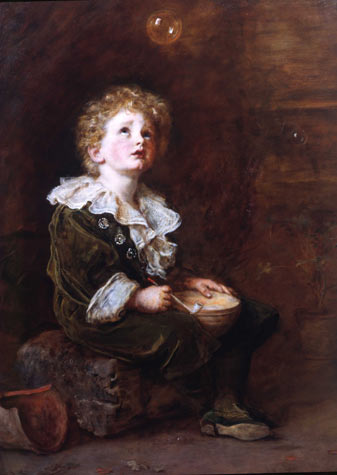
'Bubbles' by Sir John Everett Milias, is in the Lady Lever Galler, Port Sunlight, part of National Museums Liverpool. It was used as a poster for Pears soap.

‘Bubbles’ by Sir John Everett Milias, is in the Lady Lever Galler, Port Sunlight, part of National Museums Liverpool. It was used as a poster for Pears soap.

Businessmen bought and commissioned works to adorn their new mansions – and even, in Lord Lever’s case, to advertise Pear’s soap (Bubbles).

The caption to one image described the artist’s boast that his painting was his finest yet for decorating a room – sadly I can’t remember which artist. But nice and humanly honest, I thought.

So, yes, I learnt a lot. It was worth every penny of the £7 entrance fee. (I overheard a statuesque woman in black telling her phone it was expensive – she needs to reassess her sense of values, frankly.)

It didn’t inspire me. But though I left feeling slightly disappointed, I know I can return, any time, and visit the Walker’s other rooms.

For free.

The rooms where heavy doors open with solid brass handles. Wooden floors creak. Slightly faded, deep-crimson, brocade adorns the walls. And dark, heavy wooden seats are furniture, not just resting places for the weary.

The rooms where, for me, the gallery’s Pre-Raphaelite art belongs.

Some of the paintings are on an epic scale. Huge, in ornate gilded frames, or mahogany, or oak. Some with verses inscribed around or below. Many with themes that tell stories, that spark the imagination.

They aren’t to everyone’s taste, but they are to mine.

Alphonse Mucha poster, for Sarah Bernhardt as La Dame aux Camellias

Alphonse Mucha poster, for Sarah Bernhardt as La Dame aux Camelias

And I think back to my university days, to posters of Millais, Mucha, Beardsley – and I wonder why they were so popular, then. When we feared the bomb and sat-in to protest and gawped at the prices as inflation galloped, stealing away our grant money.

I don’t want to stretch a point too far, but today, as I write, it is International Women’s Day.

The Peacock skirt by Aubrey Beardsley [Wikipedia, public domain creative commons]

The Peacock skirt, Aubrey Beardsley [Wikipedia, creative commons]

Back then, many of us adorned our walls with Victorian and Edwardian images of women,  among them two tragic heroines, Ophelia and the Lady of Shalott.

And I wonder, just wonder, if maybe it was because we were on a generational cusp.

Too late to be hippies, not yet ready to be a ‘me’ generation.

Almost free, but still feeling constrained by our destiny, our upbringings, our mores.

Or maybe we just liked old-fashioned, romantic tales of doomed but lovely heroines.

And pretty dresses. Yes, maybe that was it. Pretty dresses.

Long, flower-sprigged, heavy cotton frocks …

Her clothes spread wide,
And, mermaid-like, awhile they bore her up;
Which time she chanted snatches of old tunes,
As one incapable of her own distress,
Or, like a creature native and indued
Unto that element; but long it could not be
Till that her garments, heavy with their drink
Pulled the poor wretch from her melodious lay
To muddy death

[Hamlet. Death of Ophelia]

Ophelia, by Sir John Everett Millais, is in Tate Britain [file Google Art Project]

Ophelia, by Sir John Everett Millais, is in Tate Britain [file Google Art Project]

Posted in Art, jaunts & going out, Liverpool | Tagged , , , , , , , , , , | 4 Comments

If a picture paints a thousand words …

… then why bother writing?

The world is a kaleidoscope for instant photo-gratification. Take a picture with your phone and – abracadabra – enhance it with a swipe of a digital magic wand.

Words? Well, perhaps just a few. To give it context.

It’s one of those ‘rules’ of social media – if you want to be noticed, add a picture. Or go the whole hog and make the picture your subject.

But I’ve been wondering. What if – heaven forfend – I wrote a post without a single image?

Could I write about words, sans pictures and yet cause you to see images?

I don’t mean by writing a thousand words – I make a point of never crossing that three-nought line. In fact, I thought I’d start with one word.

Rose.

Read that one word – rose – then, close your eyes for a moment and think of ‘rose’.

What did you see?

A just-unfurling, still-part-bud, dusty, crimson, velvety blossom of a rose? Did it have a bright green, juicy stem? Were its thorns, blood-red where they began? Were its leaves glossed by nature and slightly tattered by the wind?

Or was it a white rose? A blowsy lass, her mess of careless petals thrown open to all the world. A potent, fertile bloom.

No? Perhaps you saw a wild, pink rose? Sparse petals in a single layer, a delicate party frock around a yellow-stamened heart, smelling so divine that you knew her life would be short?

Ah – the rebellious one. You saw a girl. She was dancing, arms waving, freckles dotting her cute snub nose. Everyone laughing with Rose, the pretty, giggly, happy one.

Yes, my prose is a bit purple (we had a purple rose once, a bit gaudy, but gorgeous). But my point is, a rose can be so many things. One word – rose – and permutations galore.

Your imagination, my imagination, can take that word and create endless pictures. Inside our heads.

But what about big, complicated pictures, you might ask? What about those? Don’t they paint a trillion words?

I have a Picasso souvenir on my desk, given by a friend. I can move it around so I see bits of several of Picasso’s paintings – and one of them is Guernica.

Without knowing a thing about the subject, it’s obvious there is distress, horror, misery. Arms flung up in pain or despair, animals screaming in the melee, limbs underfoot – there’s really no need for words – unless you want to understand the context.

A novel the length of War and Peace could be read into the images.

But what if I try a single word again? Like war.

War.

Think about it for a moment. Conjure up an image.

I hardly know where to begin.

Drab uniforms, barbed wire. Boots wrapped in rags, sinking into the stinking mud of World War One trenches.

Sun glinting on Roman helmets as the legions march towards victory.

A monstrous cloud mushrooming over Hiroshima, leaving ghostly shadows of vanished bodies and crushed buildings far below, on what were once, a moment ago, the city’s streets.

The frostbitten hands and toes of freezing French soldiers dragging their weary bodies through the snow, away from Moscow and Napoleon’s defeat.

Blood, smoke, swords, bombs, battering rams.

Galleons, longboats, frigates.

Biplanes, jets and submarines.

It’s almost endless, the imagery we can conjure up from that one word, war.

One of the things I discovered, writing fiction, was the power of just a few, everyday words to make me feel or want something.

Tea, for example.

In the early chill of a Zambian winter morning, a tired tourist scans the riverbank, hoping for giraffe. Her cold hands cradle a mug of strong, hot Malawi tea. Steam dampens the end of her nose as she takes a deep, nutty-tasting mouthful of the dark, orange brew.

Then, I want a mug of tea. I see it, smell it, need it. (It doesn’t work with wine, or beer, which is probably a good thing – but then, perhaps I don’t describe them well.)

A yawn is the same. As soon as I start to … I’m yawning now as I type, just thinking about it.

And sadness, depression. I’ve just finished a draft of a novel written in the first person, present tense – I was never so glad to finish a piece of writing in my life. Tess of the d’Urbervilles eat your heart out, I’m afraid you’re not gloomy enough. (I’m exaggerating, but not by much.)

Novelist Anthony Powell wrote a book entitled Books Do Furnish a Room. (It’s one of ten books in his Dance to the Music of Time series which every serious reader should probably have read. I confess, I haven’t, but I do know the first books are set in the Second World … War.)

But back to words and furnishing. Pictures can certainly furnish – or at least decorate –  a blog post. They entice the eye. And as a shorthand, speedy way of conveying a message they are very, very useful.

Paintings, like Guernica can transport us on a vivid mental journey in a moment.

Together – are words and pictures always good companions? Or does each detract from the other?

Perhaps the answer lies in the quality of both – and of the design. Graphic novels are an obvious example of successful juxtaposition or integration. But for bloggers, the technology does limit our ability to design.

In the end, though, I think I believe (I’m not sure) that words can take me places pictures can’t.

Over to you. What do you think?

I’ve finished. And I need a cup of tea.

[926 words, by the way]


Posted in Thinking, or ranting, or both | Tagged , , , , , , , , , , | 12 Comments

“Cold in the earth – and fifteen wild Decembers”

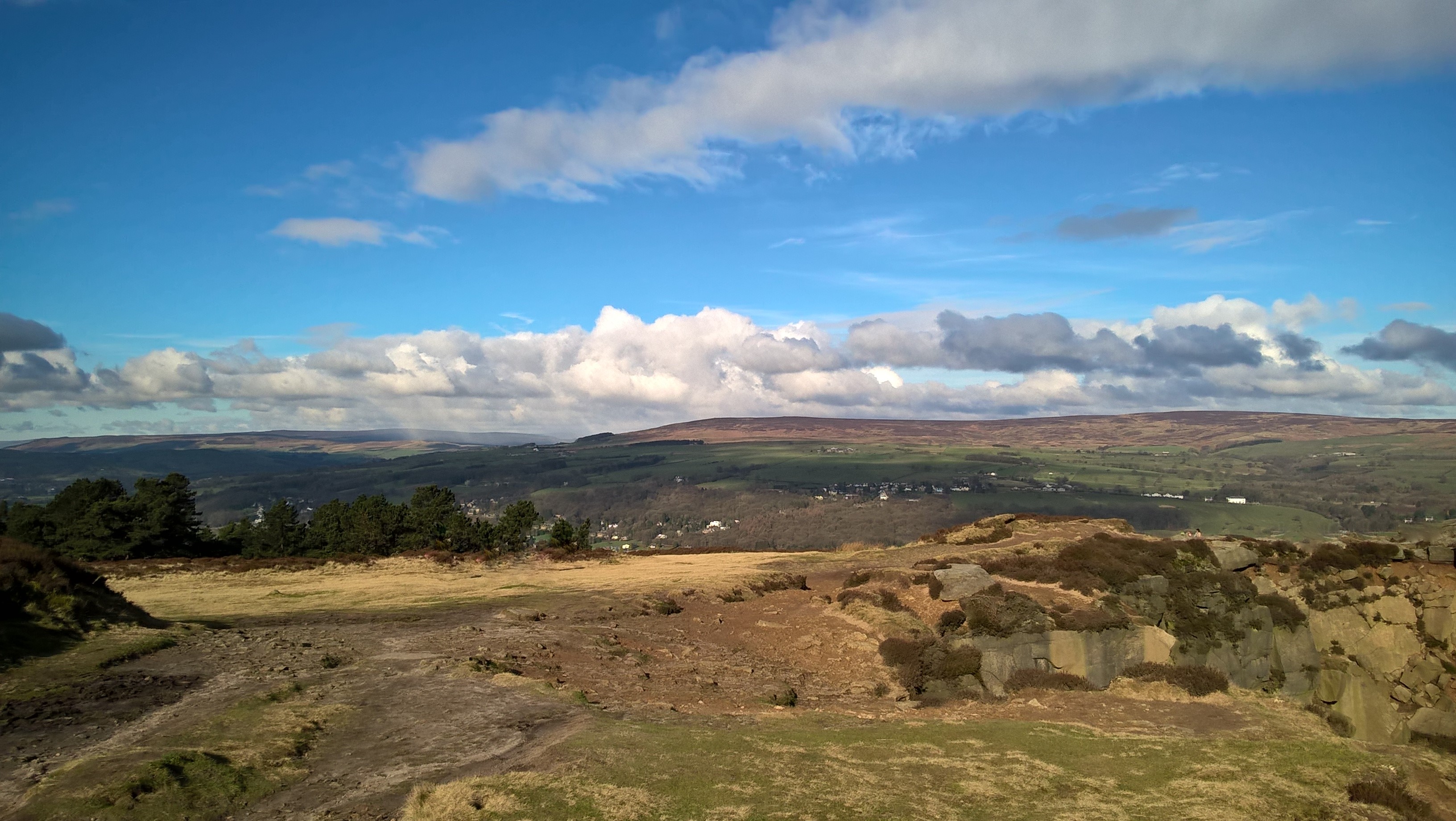
The Yorkshire moors are cold, this time of year – cold and dramatic. But when the sun shines and the frost bites, when flecks of snow fly, gentle, on a breath of wind – then, they are soaringly beautiful.

Is that the image you have of the moors the Brontë sisters knew?

Probably not.

On Yorkshire's famous Ilkley Moor, some 14 miles from Haworth

On Yorkshire’s famous Ilkley Moor, some 14 miles from Haworth

Their moors are more often seen through the eyes of wild Heathcliff or sad Catherine Earnshaw. Or conjured by Kate Bush’s evocative song, named after the novel, Wuthering Heights.

It was Emily Brontë’s only published novel – but what a novel. Like her sisters, she also wrote poetry and the quotation in the title is from her poem ‘Remembrance’. It was written in 1846, some 170 wild Decembers ago, the year before her masterpiece was published.

Ever since I was eight I’ve felt a connectedness to the Brontës. Not because of Catherine Earnshaw (my family name) – but because of a bakery.

The happiest home of my childhood was just outside Thornton on the edge of Bradford, in Yorkshire. There I roamed the snowy hills with friends, bought sweets in the village shops and, one Christmas, with shillings saved from my pocket money, a miniature bottle of Brontë liqueur for my father.

P1010399On Saturdays we bought our bread from the village bakery and while my mother shopped, I wondered.

Two doors away a metal plaque adorned the wall of a tiny stone house. It was the birthplace of Jane Eyre. Well, that’s how I translated it. Charlotte was born there 200 years ago, in 1816.

The tiny house in which the eight Brontes lived

The tiny house in which the eight Brontes lived

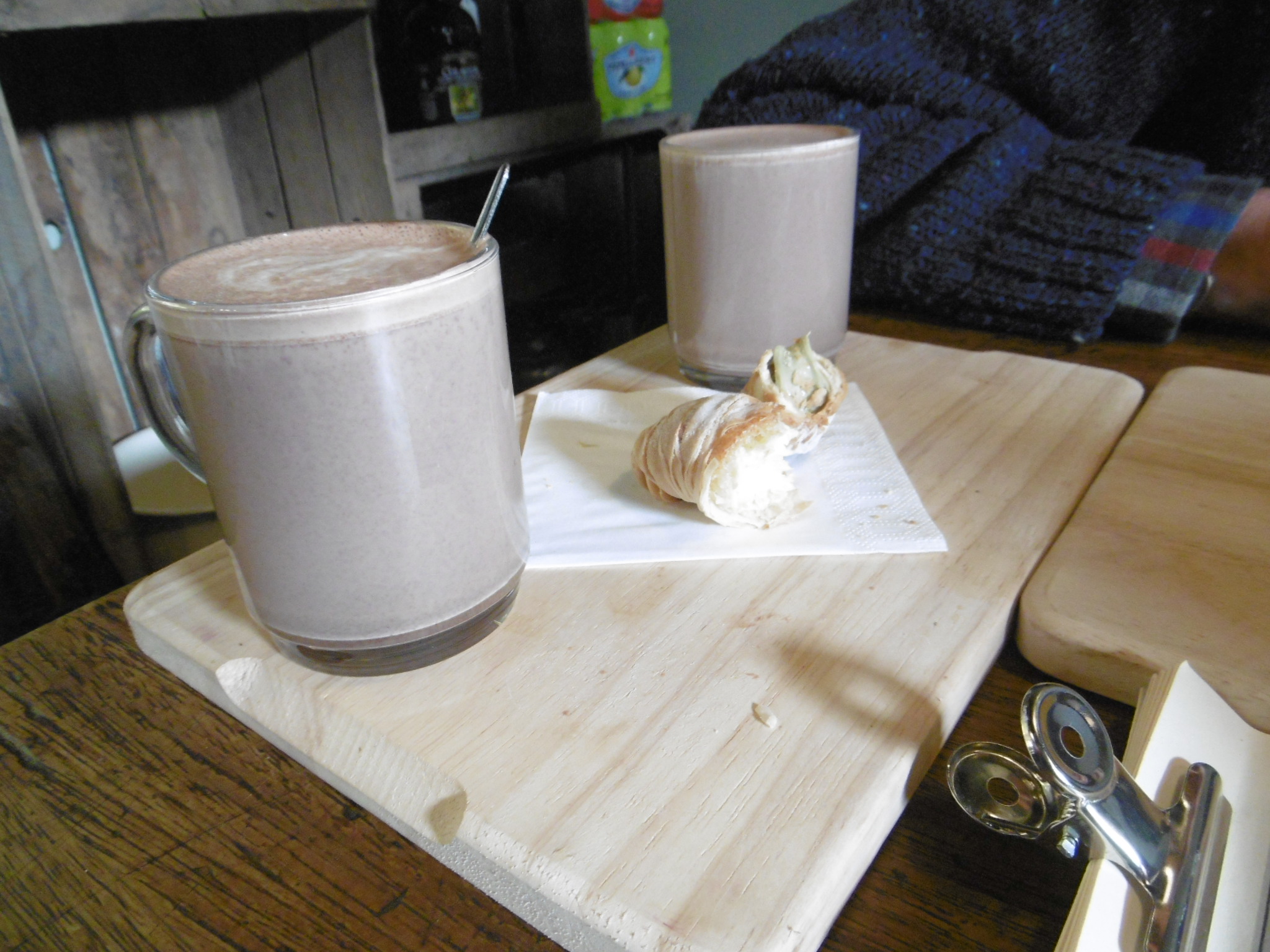
The house wasn’t open to the public when I lived nearby, but now, a delicate pastry and a glass of hot chocolate can buy you entry as it did for me, revisiting childish haunts.

Lemon pastry - mmmm!

Lemon pastry – mmmm!

Anne, Emily and Branwell were also born in this tiny house and, with the older girls, Maria and Elizabeth, they made six. How the Reverend Patrick and his wife Maria coped it’s hard to imagine. It wouldn’t be deemed big enough for four these days.

WP_20160213_16_34_26_Pro (2)

The original house that was the home of the family is from the chimney leftwards

In 1820, they must have been relieved to move to the somewhat bigger Georgian Parsonage at Haworth that was to be their final home.

In Haworth death was a very visible presence.

Between the house and the church lay the ever expanding graveyard. There the Reverend Brontë would have spent many a dismal hour sending souls on their way.

It’s hard to tell how steep the cobbled main street is – the clue is in the distant moors


At the time, over 40% of children died before the age of six and life expectancy in the village was a shocking 25.8 years.

The Brontë siblings all exceeded that – but not by very much. Their family history makes harrowing reading.

Within a few months of arriving in Haworth 38 year-old Mrs Brontë died. Anne, her youngest child, was not yet two.

Maria and Elizabeth, the oldest children, succumbed next. They were brought home, sick, from school, only to die of consumption, that invisible member of so many Victorian families.

The only boy, Branwell, a drunk and an opium eater, died in September 1848, swiftly followed by Emily, in December. He was 31, she 30.

Branwell, a failed artist, left us a dour painting of his three literary sisters, with an odd, discoloured gap where he had painted over his own silhouette. How hard it must have been for the Brontë son. Heaped with expectation, fulfilling none of it.

A few months after Branwell’s death, in 1849, the youngest of the sisters, 29 year-old Anne, gave up her ghost.

For a while things looked brighter for Charlotte, the last remaining sibling. She married in 1854 and after a honeymoon in Ireland became pregnant. But her destiny did not include motherhood. Three weeks before her 39th birthday in 1855, she lay dying, her clergyman husband kneeling, praying at her side.

Charlotte’s first biographer, Elizabeth Gaskell, recorded her dying words:
“Oh! I am not going to die am I? He will not separate us, we have been so happy.”

It can hardly have been the most uplifting of homes.

But – above the depressing village stretched those wonderful moors.

WP_20160214_11_27_07_Pro (2)

On Ilkley Moor

It’s almost a cliché of Brontë lore, the influence of the moor on the authors. Almost as much a character in their narratives as Jane Eyre’s Mr Rochester – and never more so than in Wuthering Heights.

But after visiting the museum, my image of the Brontës is transformed.

The grim, real-life saga of sickness, death and passions unrequited, is, like the moors, still central to my image of their lives.

But what of the wallpaper and curtains, the housekeeping, dresses and shoes?

The minutiae of daily life? The mementos?

The poignant, almost grotesque wisps of hair, from Charlotte’s five dead sisters’ heads. A sprig of heather sewn to her mourning shoe with Emily’s hair.

Charlotte’s exquisite wedding bonnet, now faded but once green and white. Someone described her as looking like ‘a little snowdrop’.

Had I ever pictured her in a deliciously pretty hat, a fragile blossom in winter?

How could I imagine her impossibly tiny, slender and long her hands were, if I hadn’t seen her gloves?

My pilgrimage to the family home made each Brontë real, in a way the little house in Thornton never could.

WP_20160213_16_32_58_Pro (2)

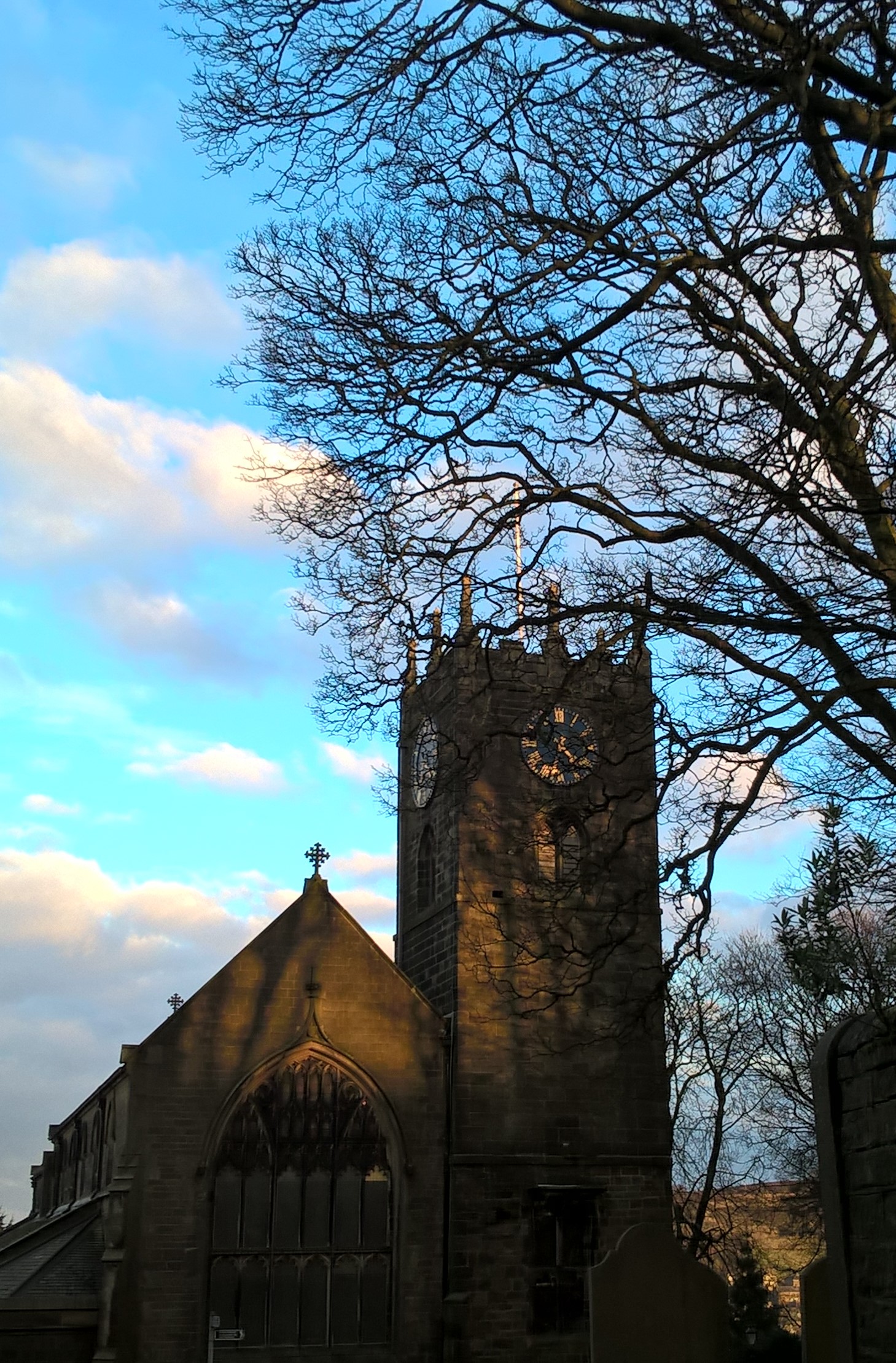
The Brontes would not recognise the church facing the Parsonage as it was rebuilt in1879 for health and safety reasons

Tearing ourselves away from the house, with me wiping away a tear, we crossed the cobbles to the church through the waning afternoon.

There was a raw chill inside. Recorded music played in the background, as if a ghostly organist was practising dismal hymns.

By a side altar, set into the wall, was a marble memorial. So simple, so sad, that the tears welled up again.

‘In memory of Maria Bronte …’ it began, in 1891.

“Also …” began the next line. And the next – and the next – and the next – and the next – and the next.

Finally, one last ‘Also’.


The Reverend Patrick Bronte, set free at last, in 1861, his 85th year.

Poor man. I hope his faith was a consolation.

So many wild Decembers, so alone.

May they all rest in peace.

WP_20160214_11_38_06_Pro (2)


PS: As I worked on this a strange coincidence happened, if you’re interested, see my other blog site, ‘Well met, stranger’ and this post:  The Meter Reader


Some related links

The Parsonage Museum in Haworth

British Library archive – sanitary conditions in Haworth in the 19th century

That place in Thornton for hot chocolate, lemon pastries – and literary history 

Posted in Art, jaunts & going out, Britain now & then, Yorkshire | Tagged , , , , , , , , , , | 10 Comments

Ben. One word. [dramatic pause] Tampons. The future is tampons

It didn’t happen quite like that. But it might’ve if Mr McGuire could’ve foreseen where plastics might lead Ben.

It’s in the film, The Graduate, when a squirm-inducing party’s underway. Soignée women smoking. Slippery men drinking – oozing worldly wisdom and capitalism unbridled. Sort of.

Sleazy Mr McGuire takes Ben aside in a rather creepy manoeuvre. Tells Ben he should consider a career in plastics – because it’s the future.

How right he was.

Today there’s barely anything that once was paper or cardboard or wax or rubber – or whatever – that isn’t now plastic.

IMG_3803

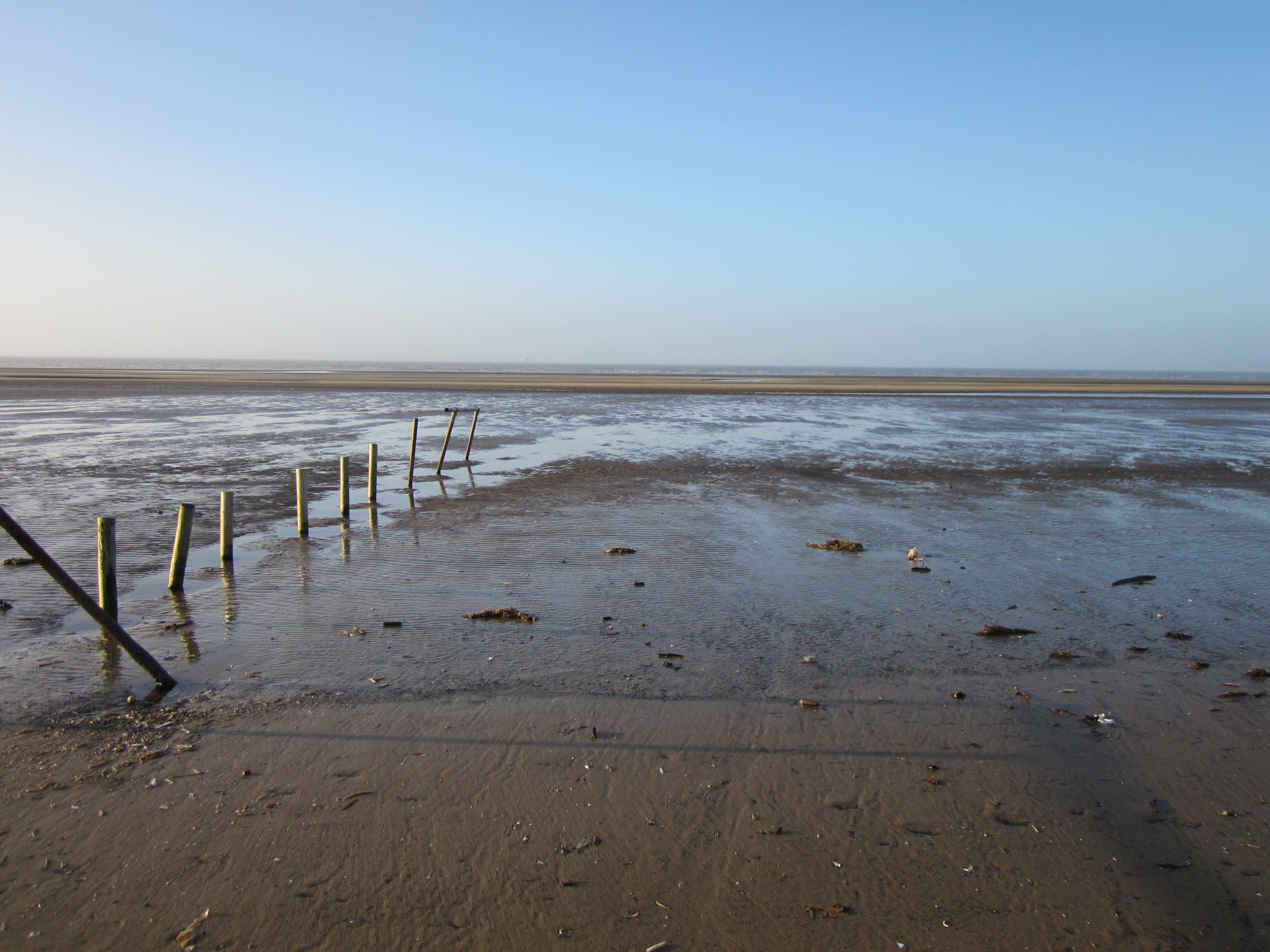
The water here is not left by the tide which is way out, this is just as you leave the road and is the result of the endless rain we’ve had

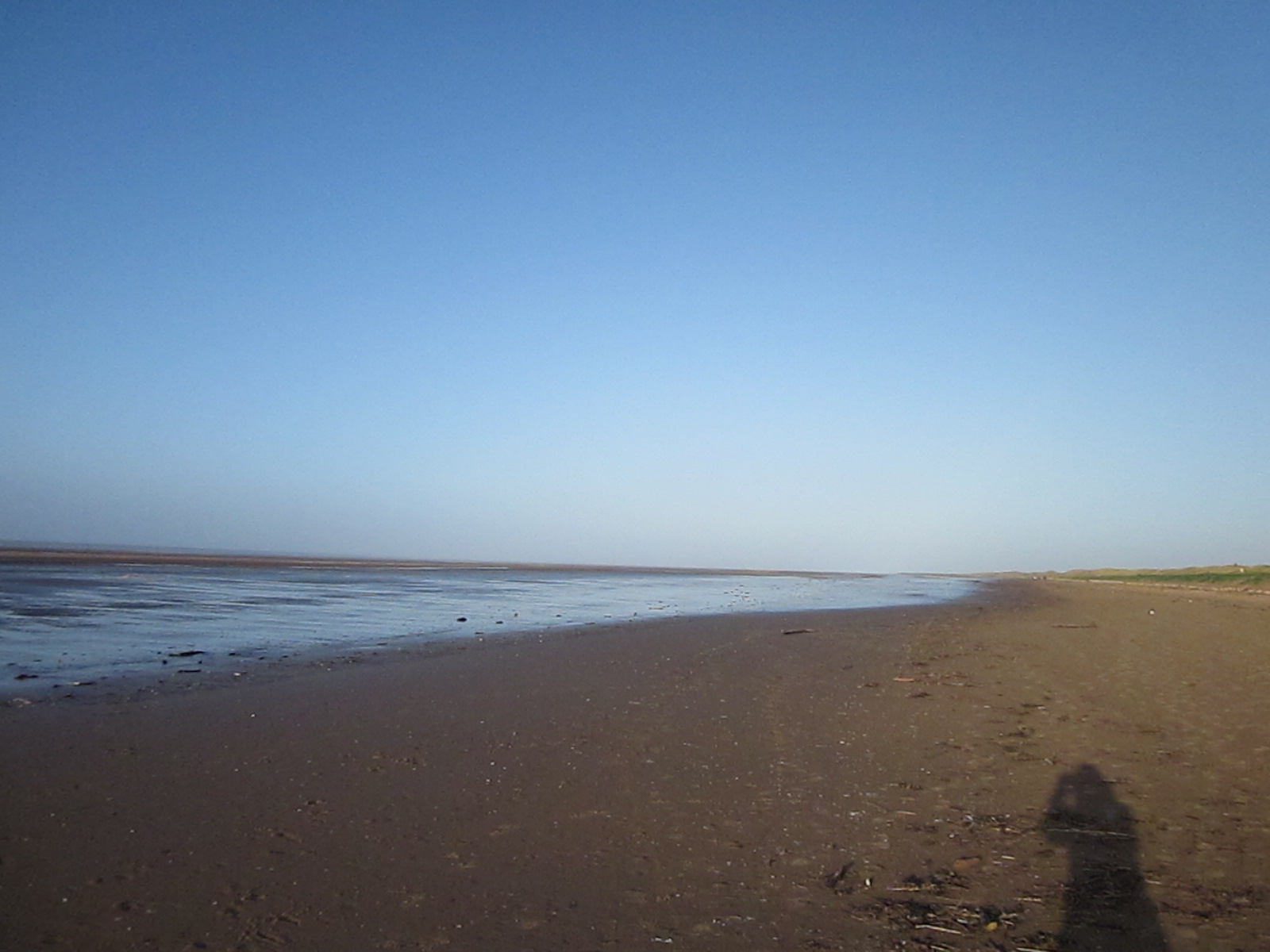
I went for a walk on our nearby beach yesterday. It’d been – ooh – roughly three months since last I was there, thanks to the wind and the rain. Yes, since mid-October there’s been barely a day without rain.

On England’s north-west coast it’s a hazard of habitation, precipitation.

This sanity-sapping rain brings with it a phenomenon that most people probably never consider.

But I worked in the water industry – and I do.

You see, sewage treatment and sewerage systems all rely on pipes.

Smallish ones take water-borne human waste away from our homes. Bigger ones join up all the homes. In cities, with large populations, even bigger ones deal with the effluent of homes and of businesses.

Sewers big enough to walk through. Believe me, I’ve done it.

All these pipes lead to treatment works. Some small, tucked down country lanes. Some massive, on city peripheries and industrial estates. Varying in complexity and efficacy.

But no matter how big, or complex a works, no matter how many pipes and drains are running clear, there’s always a deluge that can overwhelm the system.

And all around our coasts, overflows operate when there’s just too much rain.

It was plain they’d been in action, on our beach. Even if I hadn’t been living through the water torture it was obvious – there’s been an awful lot of rain.IMG_3810

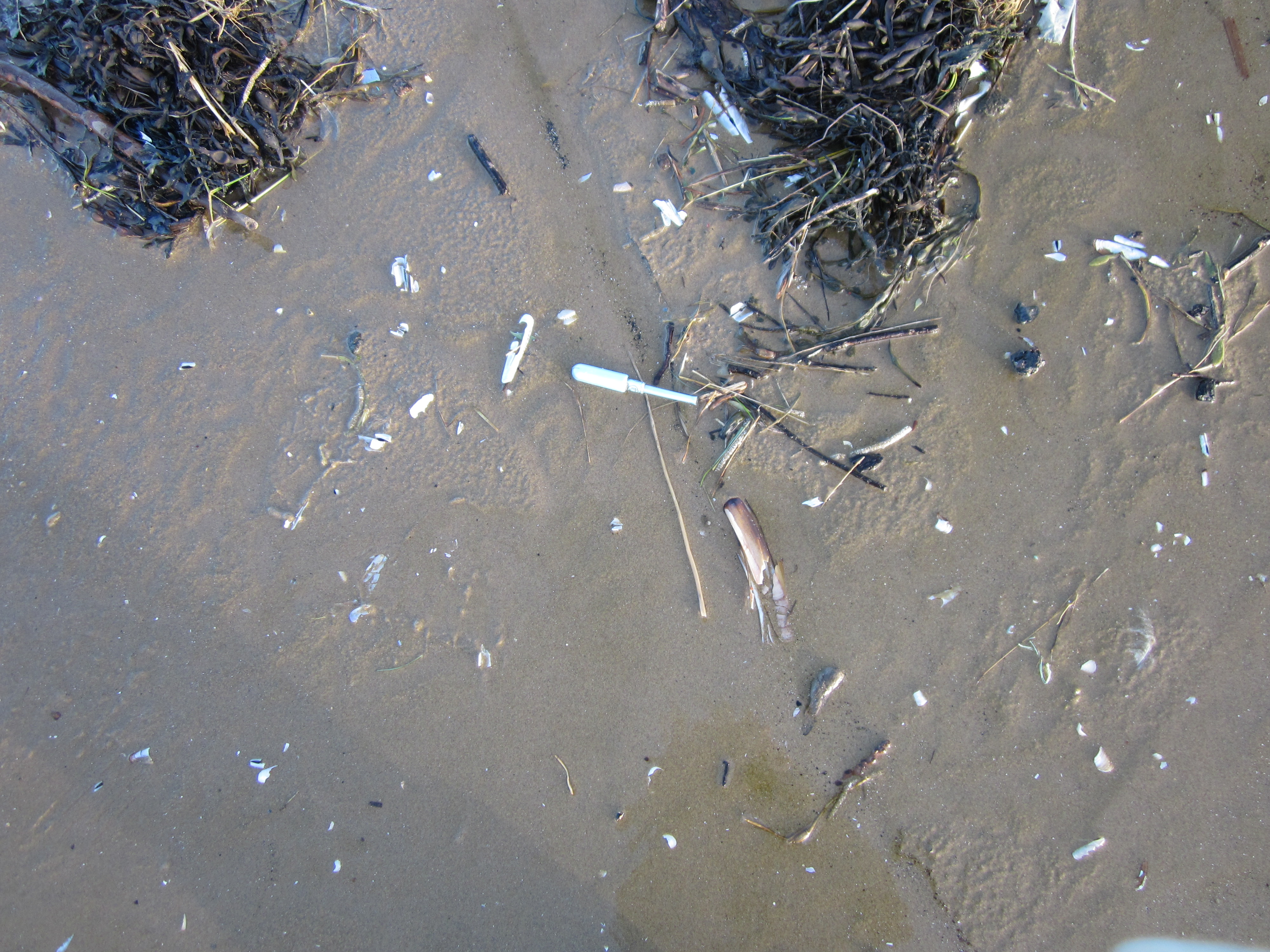
Patches of speckled blue twinkled up at me everywhere – mostly shell fragments. But among them were other things.

IMG_3815Tampon applicators.

Panty liner wrappers and backing.

Condoms.

I didn’t see any cotton buds – also often blue. But they’re slender and easily missed.

And, seeing all this plastic, sewage-borne waste – plus the synthetic maritime ropes, plastic bottles and other detritus of nearby shipping – I thought about The Graduate and Benjamin.

Poor Benjamin, target of sleazy men’s career advice. Soon-to-be-lover of Mrs Robinson.

Yes, a video.

Yes, a video.

When that film was made people were already worrying about plastics.

The almost everlasting nature of the beast. The finite petroleum products used in their manufacture.

The waste of natural resources and the burden on our ecosystem.

My dad was one of those concerned people.

And I’ve followed in his footsteps.

The replacement of renewable materials with plastics is my particular bugbear.

Cotton buds, for example. The sticks used to be made of cardboard.

Tampon applicators used to be made of … cardboard.

Condoms – no, don’t be silly, they were never made of cardboard. But they were made of rubber. And lamb intestines. Both renewable resources. Well, not to the lambs I accept.

Anyway. You won’t be surprised to hear that there are now condoms made of newer materials: polyurethane, polyisoprene and – in the case of the female condom – nitrile. And even latex is often synthetic, not rubber, nowadays.

You can look these materials up if you’re interested – but where this is going, as you possibly guessed – is that all these synthetic materials are manufactured using petroleum products.

And so many things that once were made of paper or wood or rubber now are now made from plastic.

Paper plates. Paper cups. Drinking straws. Bags for greengroceries.

Trees are used to make paper.

Trees put oxygen into the atmosphere. They help stop floods – oh, wait, do you suppose?

Plant a tree, folks, help stop flooding and oxygenate the world!

Buy recyclable products – and I don’t mean plastic ones.

I know someone will tell me that we waste more resources and use more chemicals making and recycling paper blah blah blah – I don’t believe it! You can prove anything with statistics and the fact remains, petroleum is a finite and polluting resource.

But even if you don’t agree.

Please.

IMG_3811Don’t put plastic applicators, or cotton buds, or condoms or plastic backed panty liners (or tights – yes people do) down your loo. They have to be taken out by machines and by humans.

Panty liner backings are slippery creatures and can make their way through most mechanical filters. So can cotton buds.

And sometimes, what’s worse, these things go through a shredder, so that countless tiny bits of plastic end up in the sea. Pretending to be plankton. Being eaten by mammals.

Do you want that, really?

Do you?

Do you want our beautiful sea life – our porpoises and dolphins and whales and seals – to swallow your cast off plastics, so carelessly disposed of?

No, of course you don’t.

Bag it. Bin it. Don’t flush it.

And be like Benjamin. Ignore Mr McGuire.

IMG_3807

Posted in Britain now & then, Lancashire & the golf coast, Thinking, or ranting, or both | Tagged , , , , , , , , , , | 15 Comments

An invisible man and a nice cup of tea

On dimly lit suburban streets, in the hours before dawn, it’s as silent as our world can be.

Up in the lofty fir trees, knowing owls watch for prey.

Foxes prowl through tangled brambles growing beyond neat garden fences.

And six days a week, a bold human interloper joins in that world of the fox and the owl.

All year round, he makes his halting progress. Down avenues, round crescents. Up terraces, through lanes.

Gliding along, with a purr and a whine. The occasional rattle of glass on glass. Or the click of a latch on a rare shut gate.

He floats through this crepuscular world, powered by an invisible force.

Electricity.

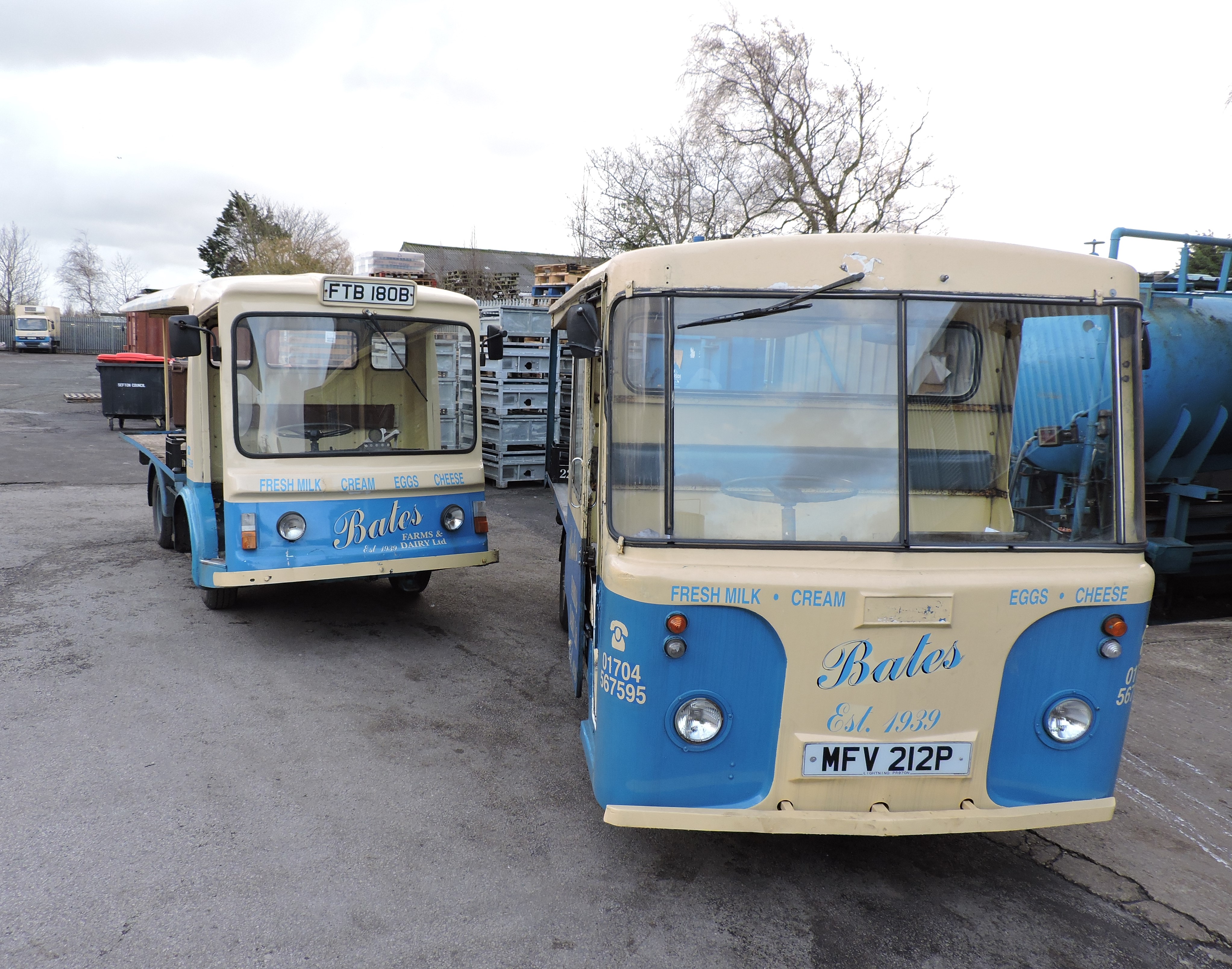
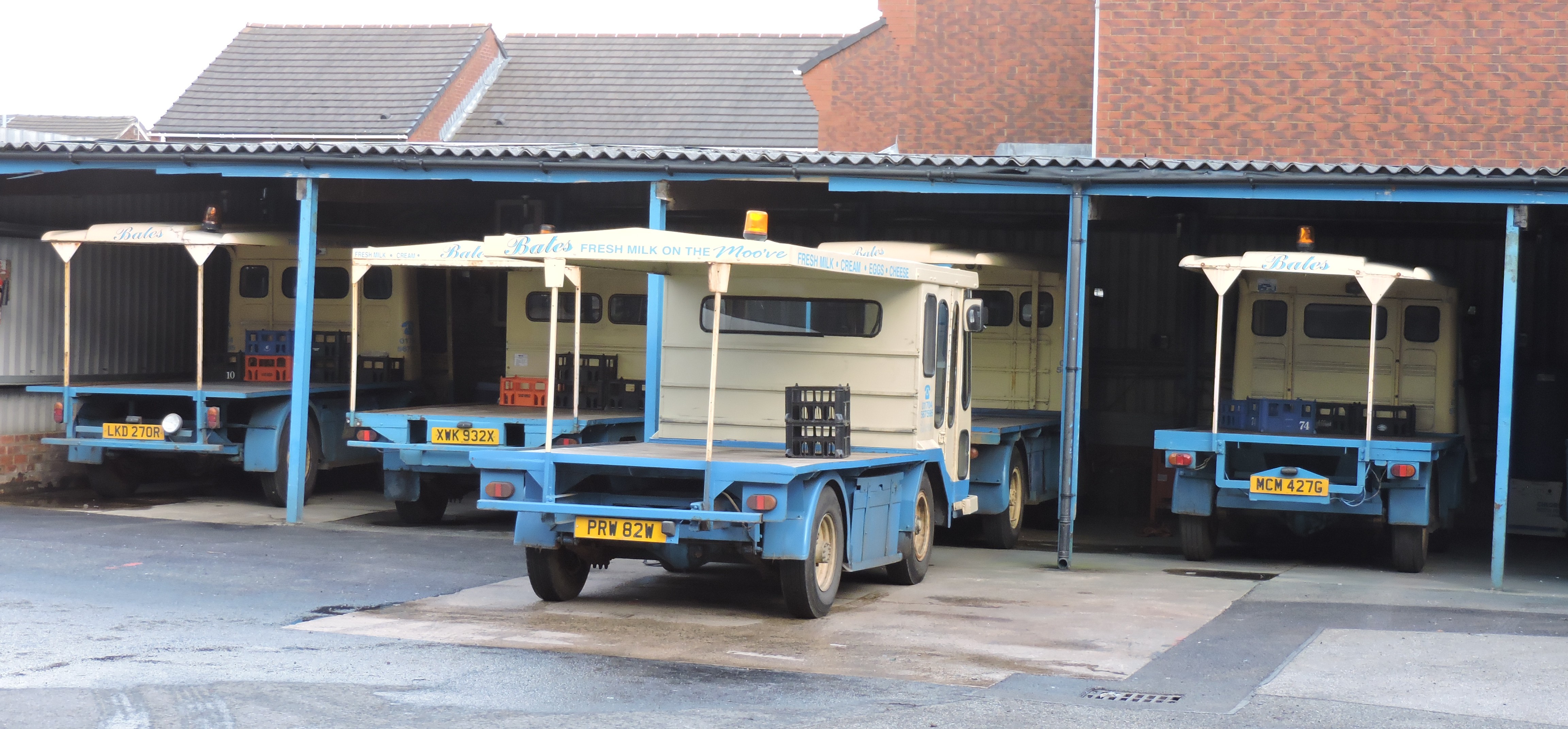
‘He’ is Keith, our milkman. And electricity powers his milk float.DSCN1349 (2)

The forerunner of the electric milk float first took to the streets of London in 1889 – at the hectic speed of 2 mph. By the late 1940s fleets of the humming carriers were out and about and horses were everywhere being retired.

The milkmen of Britain have, ever since, been traversing our streets in these quiet, electric-powered vehicles.

They’re not as common as they were – but there still are brave businesses – and customers – who withstand the onslaught of cheap supermarket milk.

Our milkman sets off for work when clubbers have not yet come home. Before bedroom lights have been lit, or kettles boiled for our morning pots of tea.

We’ve not actually seen him, to be honest – he may be an invisible man for all we know. But the glass bottle’s there, by our door, every morning.

When the wind blows 105 miles an hour.

When the amber warning’s out for a flood.

When the snow falls – and sticks.

But Keith’s just one, small cog in a wheel of production and delivery that begins with a cow in a field.

One day (bear with me) I was taking in some donations for refugees. Got chatting to the man who’d delivered them – who offered to help transporting stuff around.

‘I can use one of the wagons after work,’ he said.

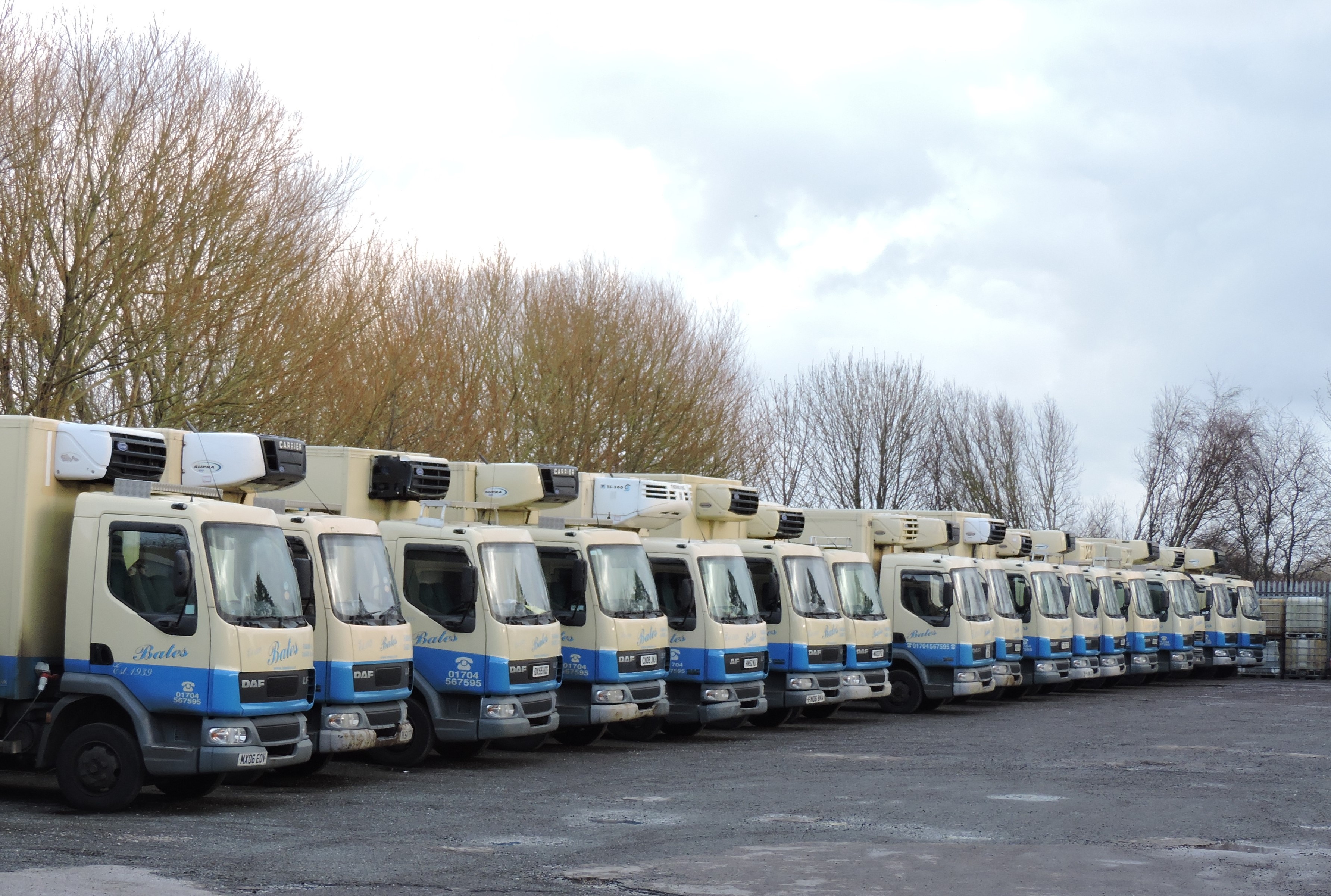
DSCN1350 (2)I knew he worked at Bates’ Dairy. But, I thought, that’s a bit bold – won’t he get into trouble?

‘Won’t your boss mind?’ I asked.

The response was just a smile. And it dawned on me. His surname. It was Bates.

And if you’ve read much of my blog you know how nosy I am. Always up for a visit to see machinery at work, making a product I like.

Before long I’d blagged my way into a trip round his business, a couple of miles away.

DSCN1318 (2)The Dairy’s one of the biggest private employers around here, with a staff of around 90. And it operates every single day of the year. Christmas day included.

‘The cows don’t stop for Christmas,’ as the man says.

He gives the staff a break on Christmas day, though. Is there himself to welcome the farm-fresh milk and load it into the tanks.

Then it can become the pasteurised, homogenised, skimmed, semi-skimmed or just plain whole milk that ends up on our doorsteps.

Talking of semi-skimmed – have you ever wondered how it ‘happens’?

Well, it’s made using the same machine that does the homogenising. To homogenise whole milk it’s forced through narrow pipes under pressure to hit a plate, with some force, smashing the cream and milk together.

To make semi-skimmed milk, first a centrifuge separates the fat from the whole milk, leaving skimmed milk and cream. To create semi-skimmed, some of the cream is returned to some of the milk and forced through the homogenising machine.

Voila! Semi-skinny for your semi-delectation.

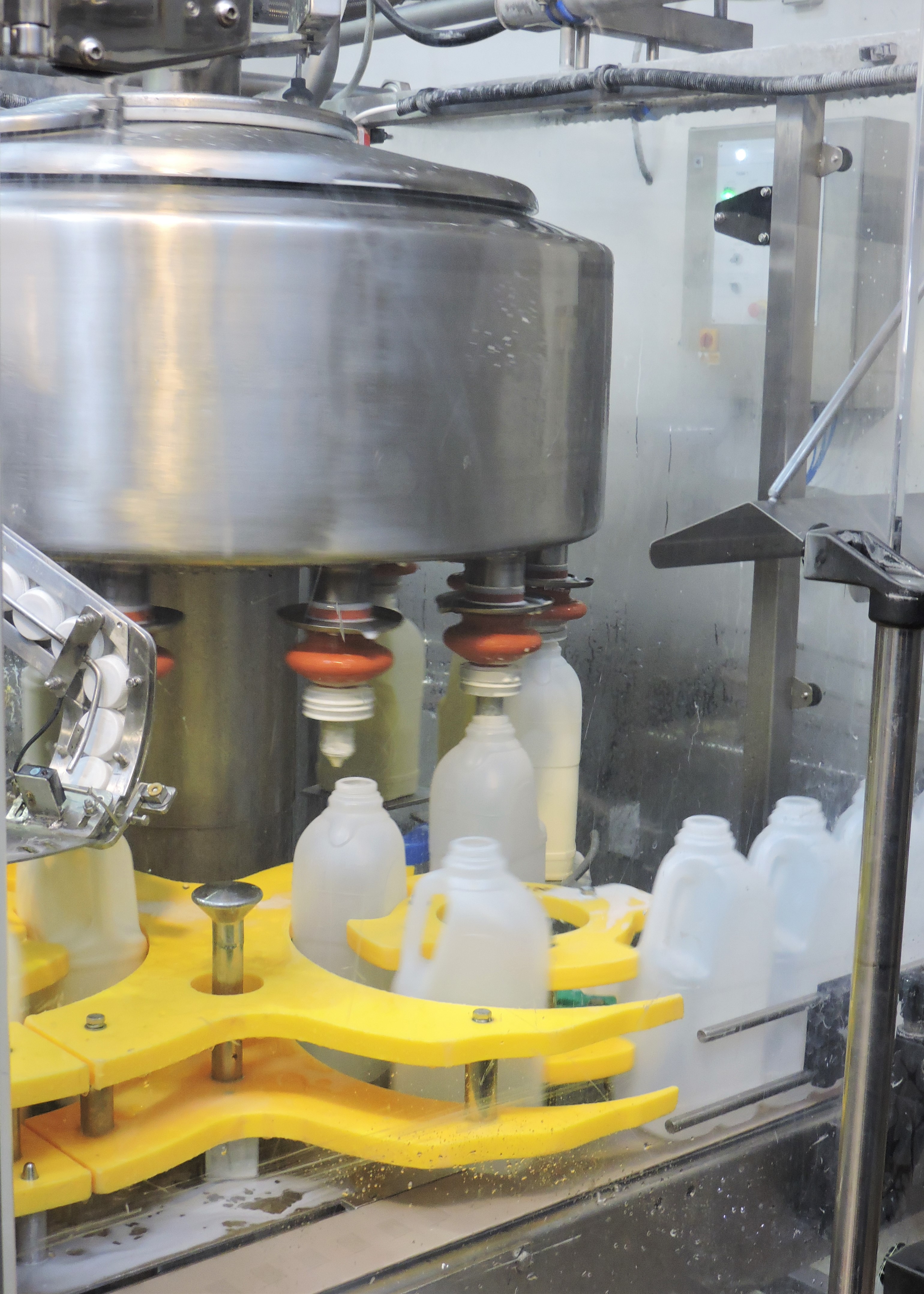
The bottling plant does both plastic and glass – but the ‘rinse and return’ glass bottles first have to be cleaned. I don’t feel quite so guilty, now, about the less-than-perfect job we often do on rinsing – the cleaning is exemplary.

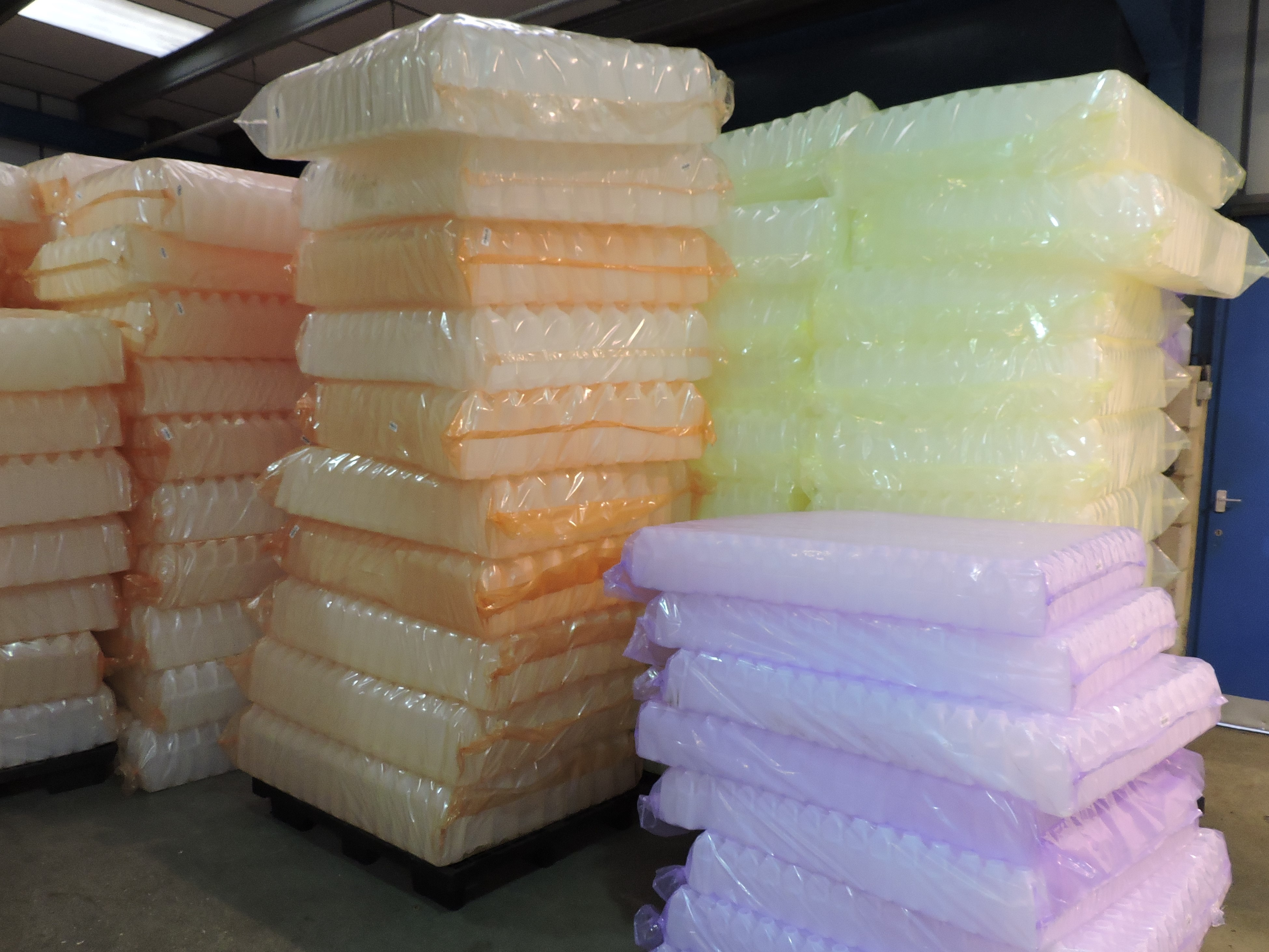
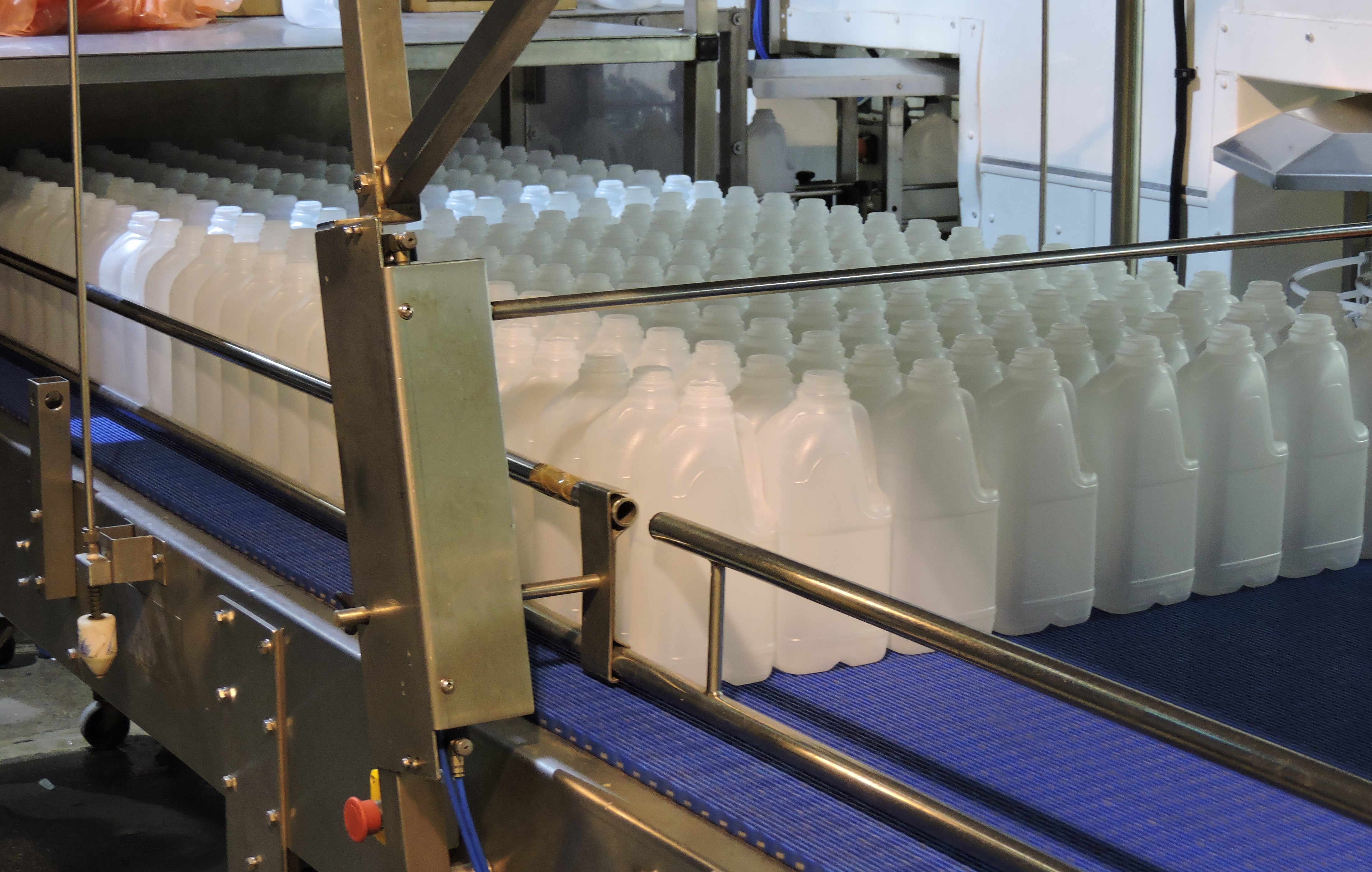
DSCN1340 (2)As the glass bottles are filled, piles of colour-coded bags of plastic containers sit in the wings, waiting their turn on the merry go round.

Watching the conveyor belt takes me back to my one, short-lived factory job, bottling condensed ox-blood. That’s where the similarity ends – bottles. No pools of smelly sticky blood here, I can assure you!DSCN1332 (2)

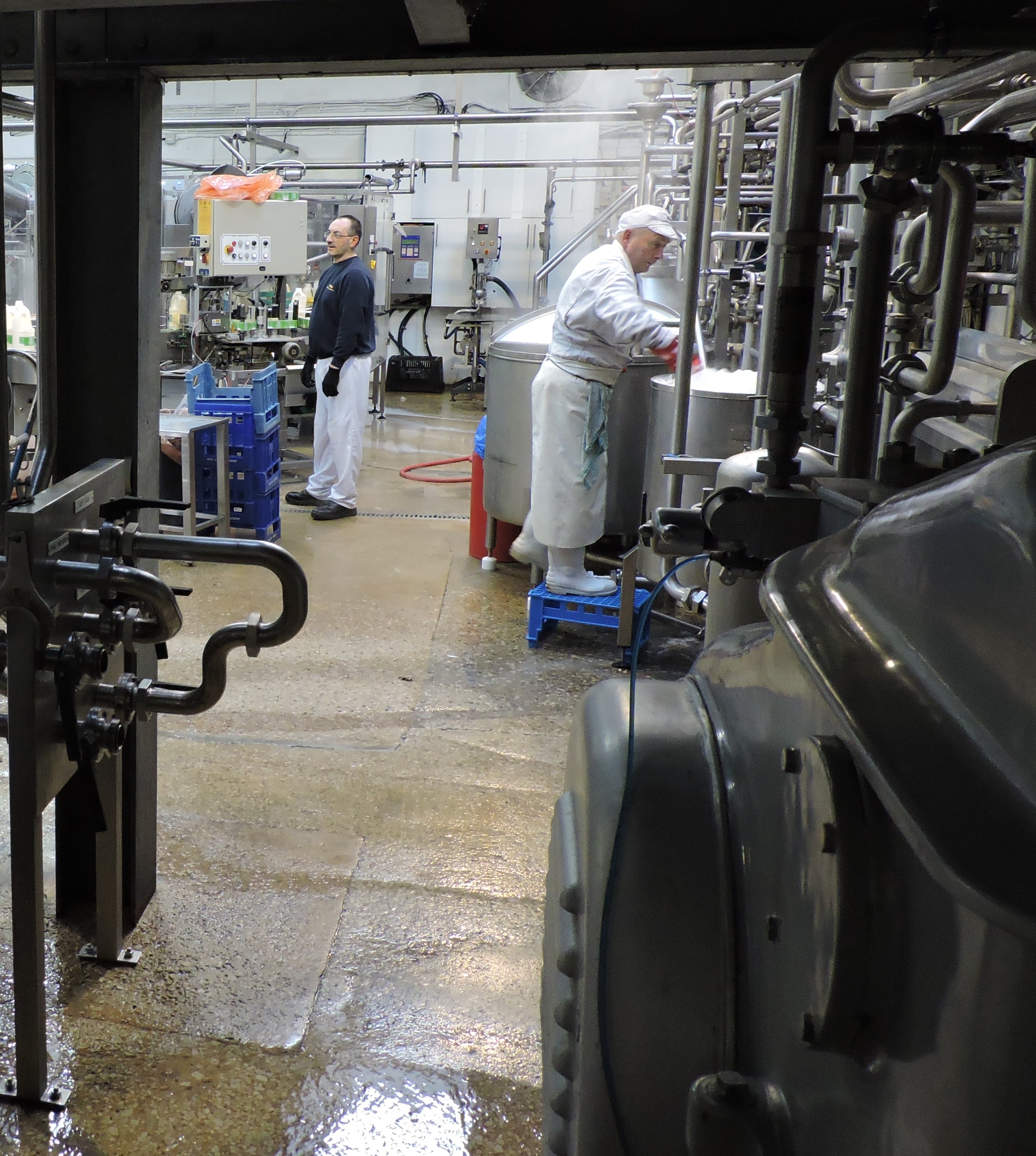
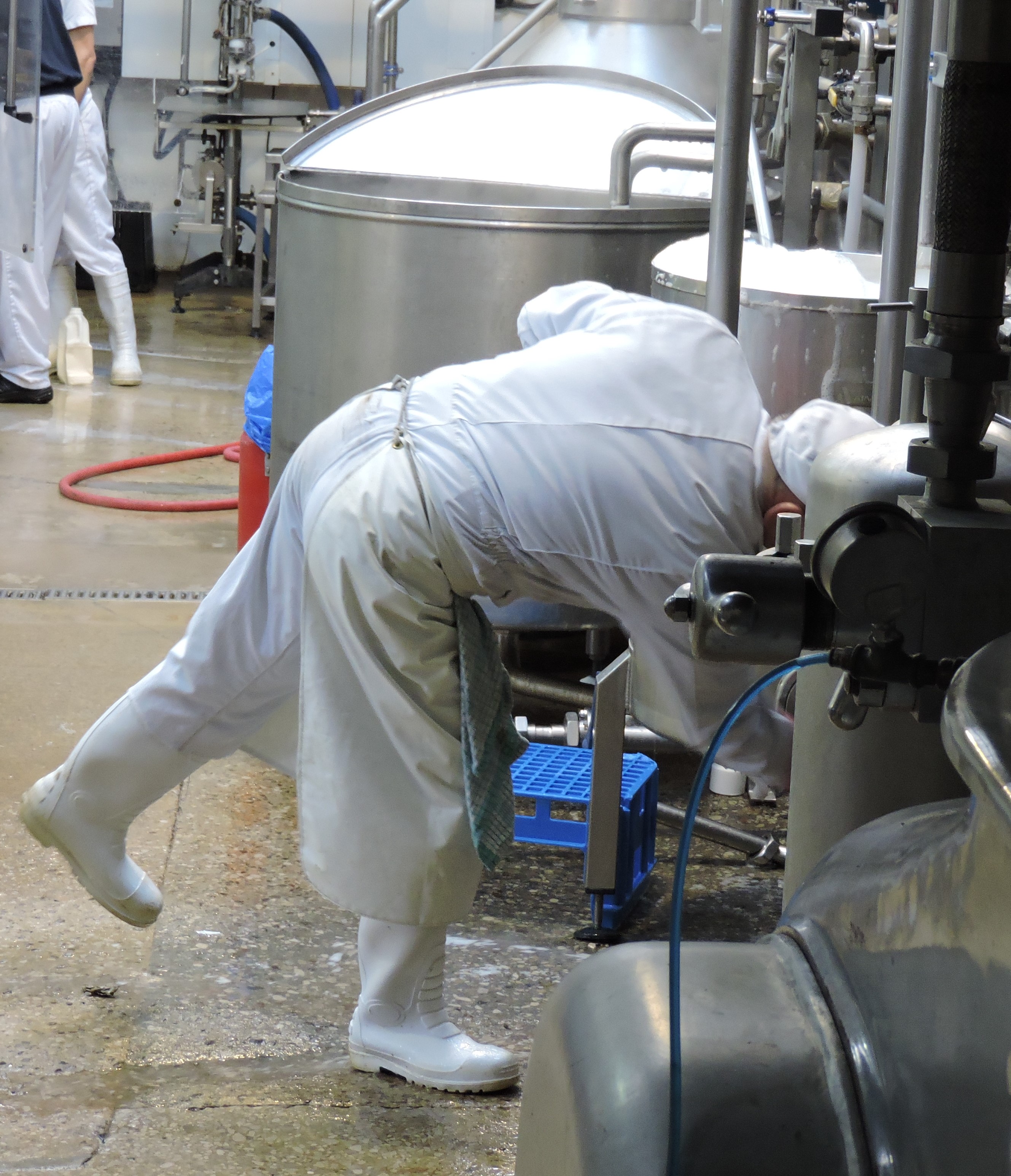
Bates’ Dairy is super-clean. Lots of stainless steel. Clean white coats and hats.

DSCN1321 (2)The floor’s wet, with milky water heading for drains. Men in wellies rush around in a non-stop bustle of activity, packing, unpacking, cleaning, checking.

The milk comes from farms to the north, east and south – all within what I’d regard as our local region. The plastic bottles don’t travel very far, either.

DSCN1339 (2)Bates supplies local shops, caterers, care homes, individual homes – and other people’s milk rounds too. No plans to supply supermarkets – and no desire to do so. What they do is enough.

Isn’t that refreshing? Enough?

Perhaps that’s because it’s always been a family business, since 1939.

Things have changed, certainly. It’s bang up to the minute, technologically speaking.

And I’m betting no-one in the family is sad to see the passing of the era of the ‘phone up right till the milkman leaves’ cancellation option.

Stevan Bates’ auntie apparently used to get the occasional 2.30am cancellation phone call. You can imagine how that went down.

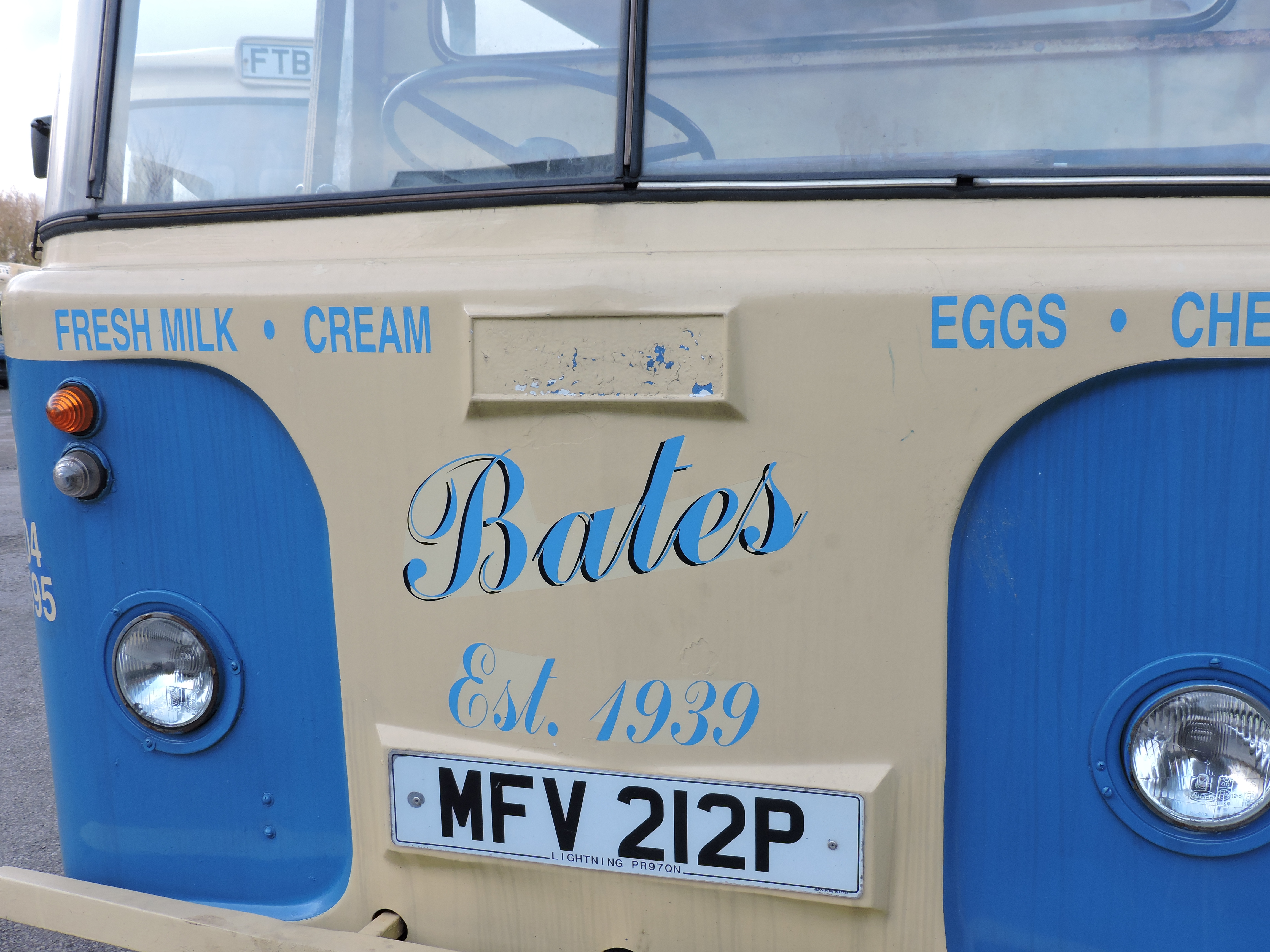
Even to the casual passer-by it still feels like a local, family business. Thanks largely, I reckon, to the company’s brand identity.

DSCN1351The logo’s just the family name written in script, in blue, on an appropriately creamy background.

There’s a kind of lusciousness about it, like a clotted cream tea. It says comforting, reassuring.

Reassuring in a genuine, not-owned-by-a-hedge-fund kind of way.

It’s great to know it’s on our doorstep.

DSCN1361And so, write-up done, it’s time to put the kettle on.

Make a nice cup of tea. Dunk a biscuit.

Then put out the empties.

Rinsed, for return, thanks to Keith.


DSCN1347To find a milkman in the UK try this: http://www.findmeamilkman.net/      

Believe it or not there’s a milk float website with FAQs:
http://www.milkfloats.org.uk/
and Londoners can hire one
http://www.theoldmilkfloat.co.uk/

Posted in Britain now & then, Lancashire & the golf coast | Tagged , , , , , , , , | 7 Comments

Standing stones, hillforts – and defying a guardian wind

It’s a dour day. Stoking the smouldering coals of melancholy.

And it’s further than it seems, the journey.

A sign catches my eye.

‘Stone circle,’ I read aloud.  Then add, to my own surprise, ‘let’s go’.

It’s a while before we can turn off this sliver of a road, hemmed in by bare twiggy hedgerows. But turn off we do, then start to climb through barely visible hills.

Park at the corner of a potholed track. Walk the rest of the way.

‘It’s really mild,’ I say, not bothering with gloves, ‘there’s barely a breath of wind.’

December should be biting, by now.

The path rises through green fields devoid of people. As paths mostly do, to stone circles.

The winter dampness numbs my fingers and nose. I stuff my hands in my pockets. Then take them out again, for balancing. The rain of months and the passing of feet has rendered the ground a quagmire.

We reach the top in mist. Air wet with myriad droplets.

Resilient turf is springy underfoot, reassuring after the slopes slick with mud.

And there are the standing stones.

Lichen dappled.

Weather worn.

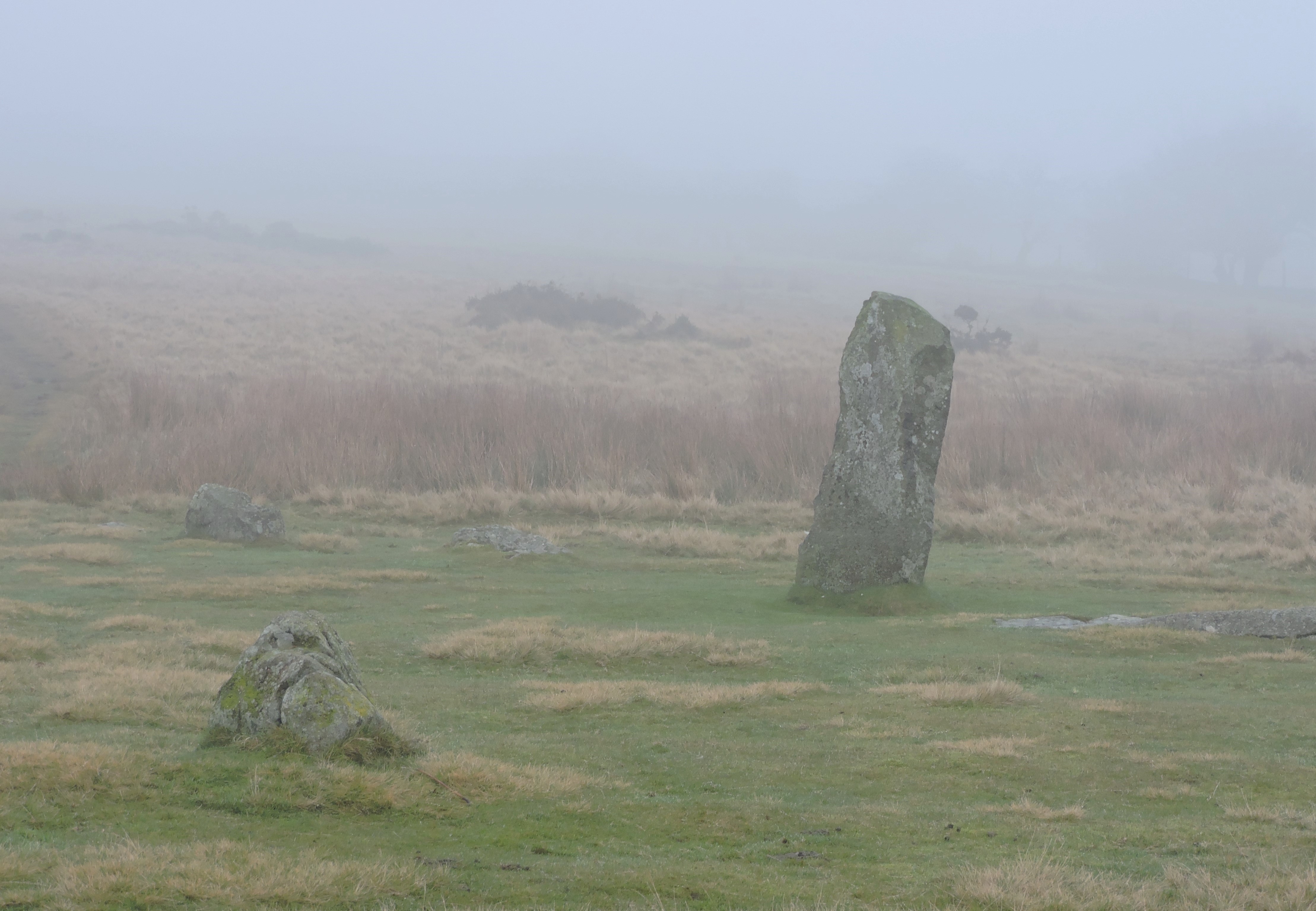
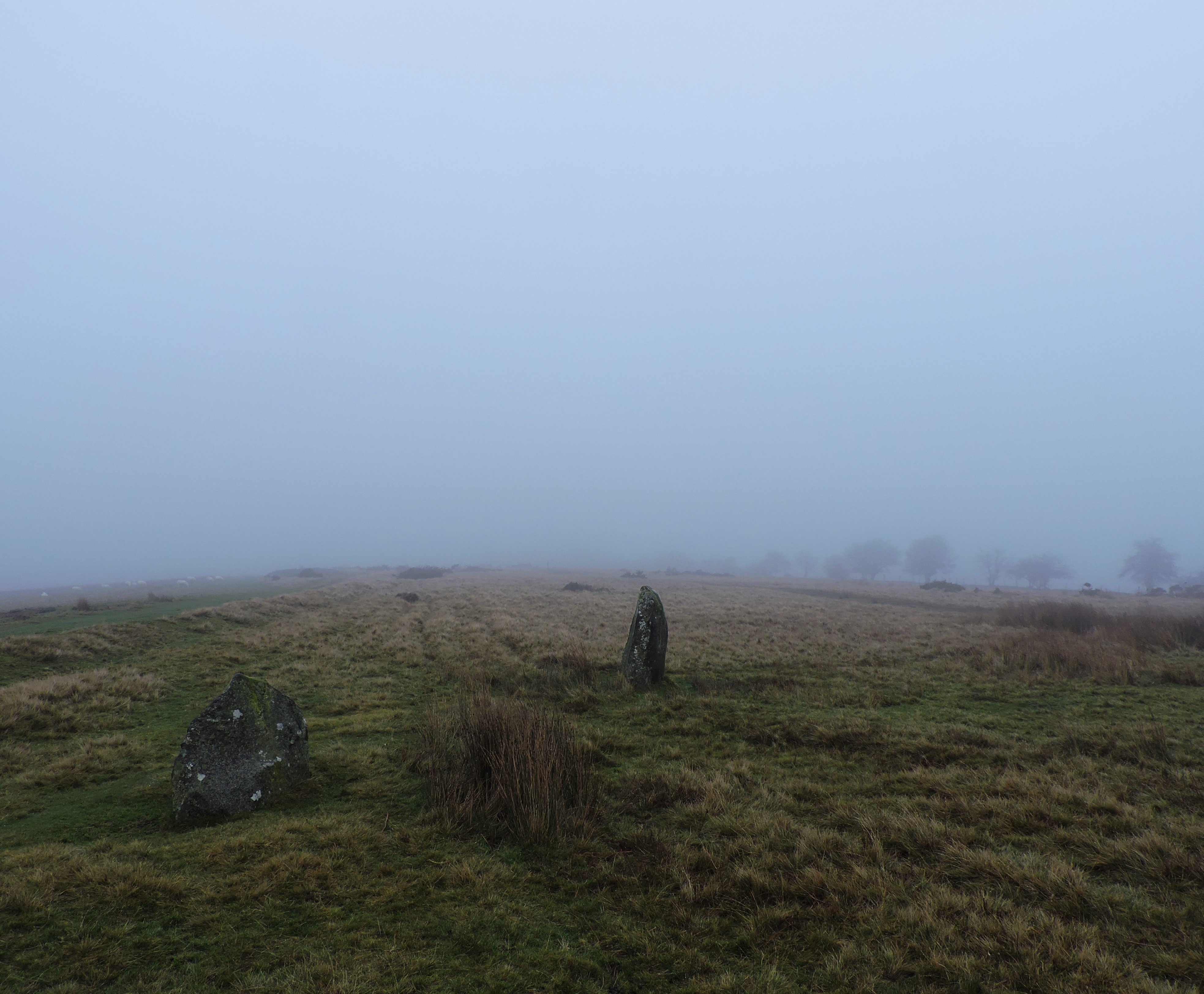
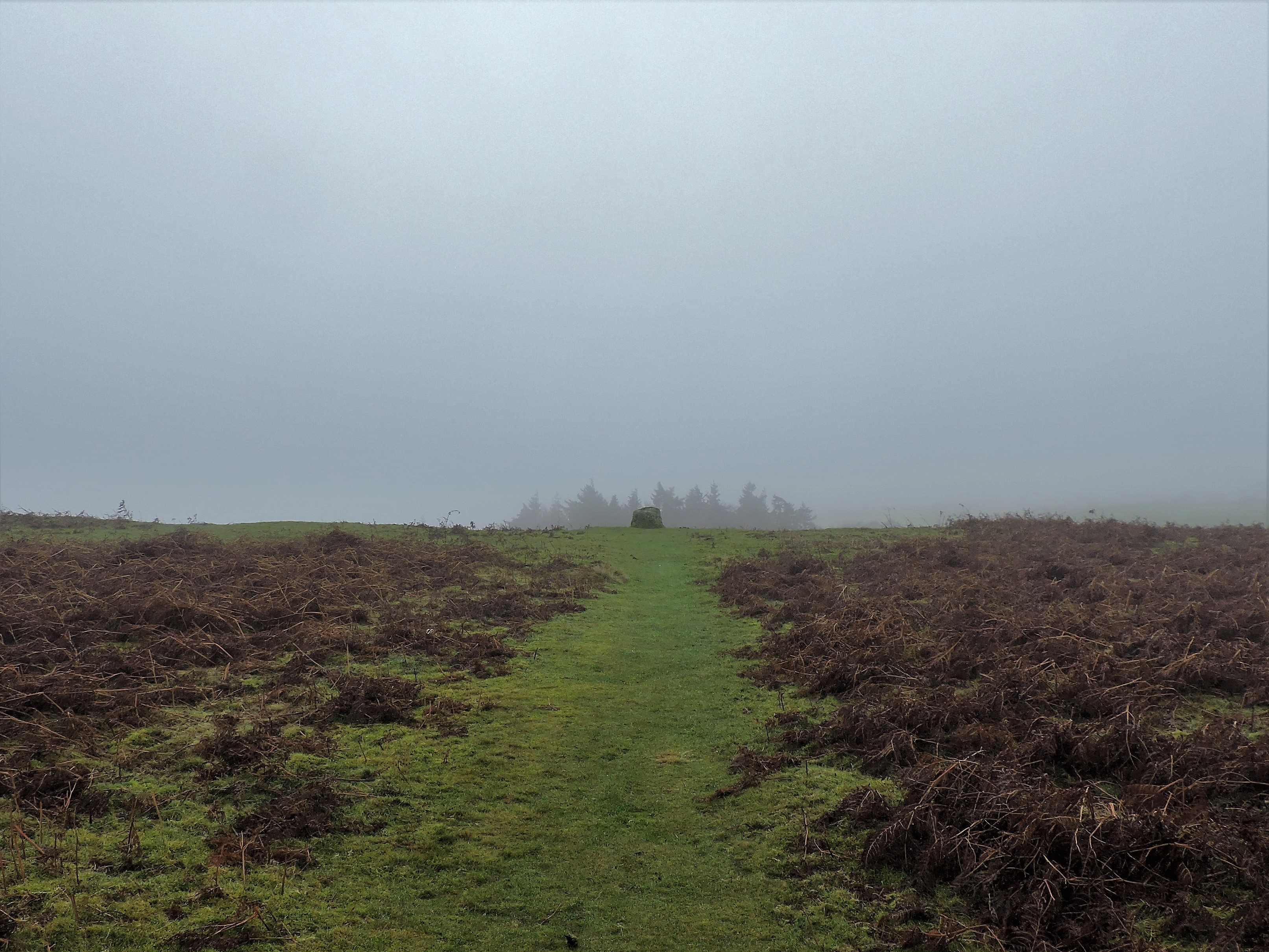
Ghostly in foggy shrouds.DSCN1298 (3)

A dog pads to my side and sniffs. A black dog. I ignore it. Walk towards the stones while there are still no humans to spoil the moment.

‘This would be a good place to see the sun rise on the solstice,’ says the man who knows more about these places than do I.

I say nothing.

This is my weather for stone circles.

DSCN1288 (2)For magic and mystery. Mood and mist.

I want no clarity.

I want my fog of unknowing. Of wilful ignorance, you might say. The space where magic could exist, if I let it.

Reality intrudes. We must find our hotel for the night.

Next morning, convivial food having been eaten in the company of old friends, I hear my resident archaeologist asking after novelist, Mary Webb. She visited the hotel in which we spent the night.

‘Is there a house or anything, nearby’ he asks.

I cringe and walk away.

Mary Webb. Precious Bane. The House in Dormer Forest. Books that held me spellbound.
But literature’s not on my mind today. And this is my annual selfish day.

‘Let’s drive,’ I say, ‘to the nearest hill fort. Then, let’s just go home.’

The promised five miles are long, country miles, narrow roads toiling through a landscape of farms and cows. Fields speckled with sheep, warmly lit by muted sunlight.

I’m not deceived. Rainclouds gather – and threaten.

The car park is small and oppressed by trees.

‘They say it’s heavily wooded,’ said the man in the hotel, ‘but it’s not, there are wonderful views from the top. And it won’t be muddy.’

I fasten my duffel coat. Eye the gravelly path rising through the far-from-lightly-wooded slopes. Begin to regret the choice. It’s plainly quite a stride.

But at least there’s no wind. No rain.

Once the car park vanishes from sight, though, the guardians of the place perceive our progress.

The wind is conjured.

The fir trees shudder and toss their arms around.

A low growl of warning begins. A guttural discouragement.

Soon it’s a howl. A roar. A threat.

But on we plod. My hands cold. My own hair whipping my eyes to tears.

At last, emerging from trial by woodland, we leave the gatekeeper spirits behind.

And the wind lays low.

Ahead is a kissing gate. A cattle grid.

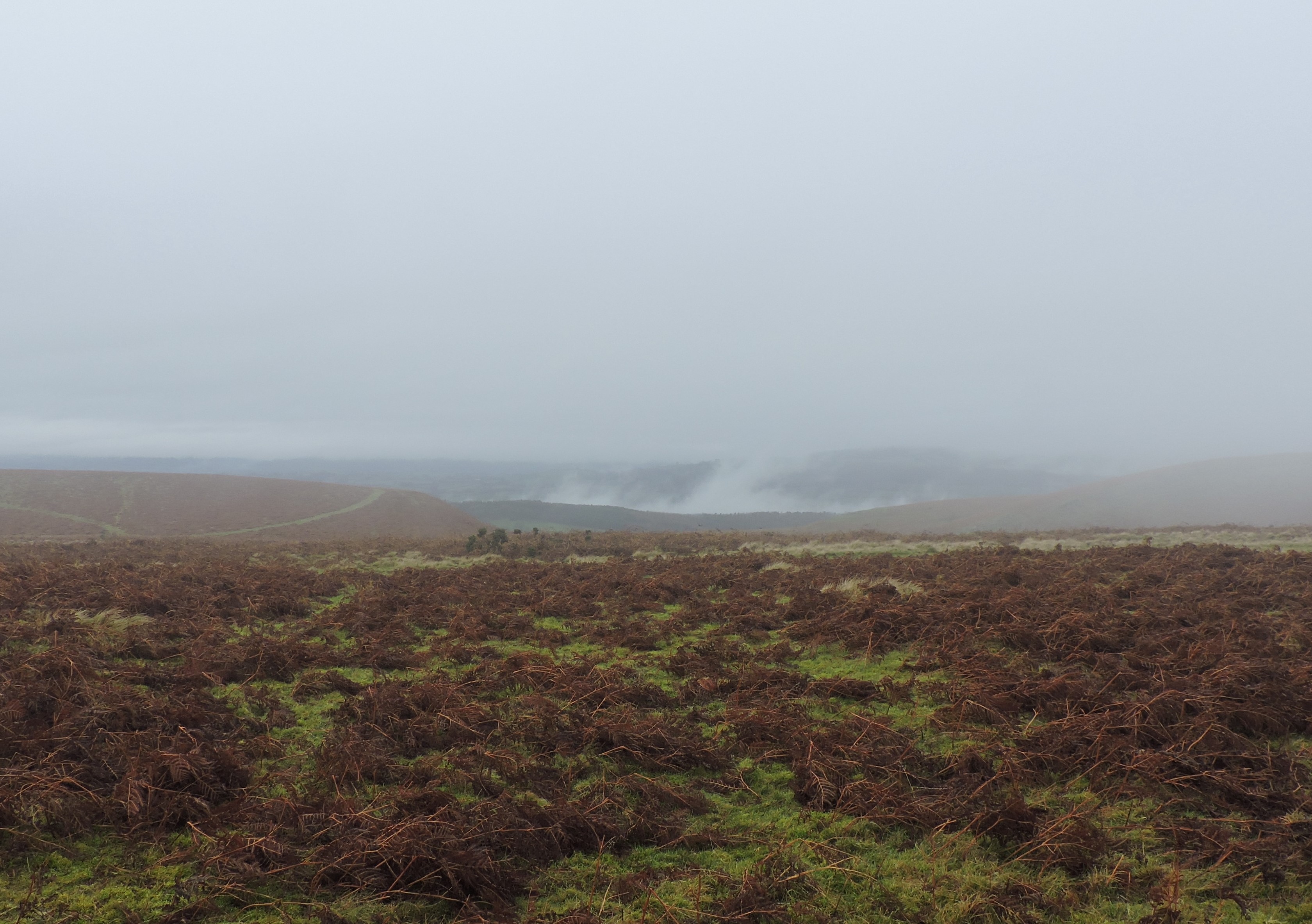
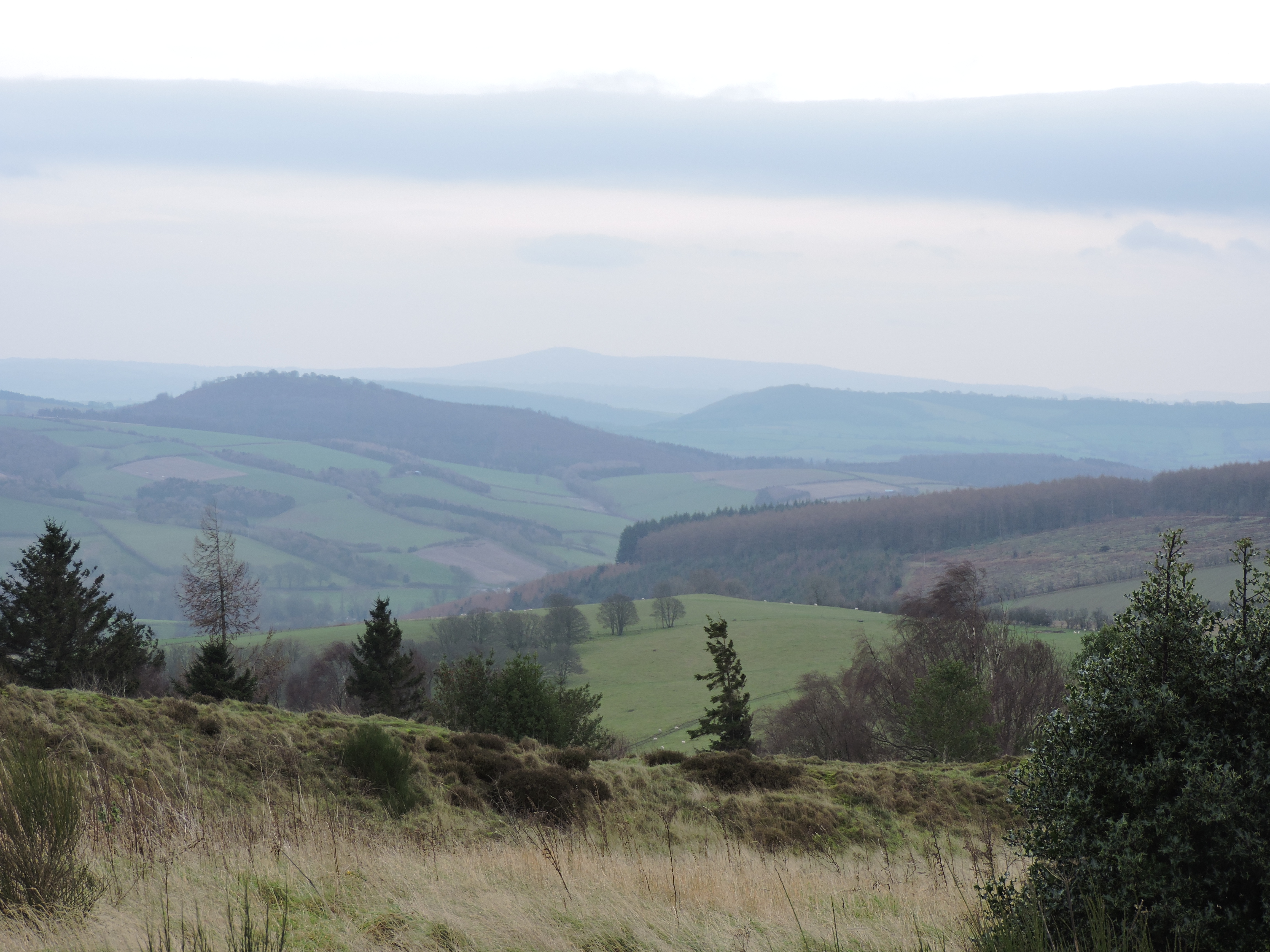
The views are fine indeed. Mist curls over far hilltops.DSCN1277 (2)

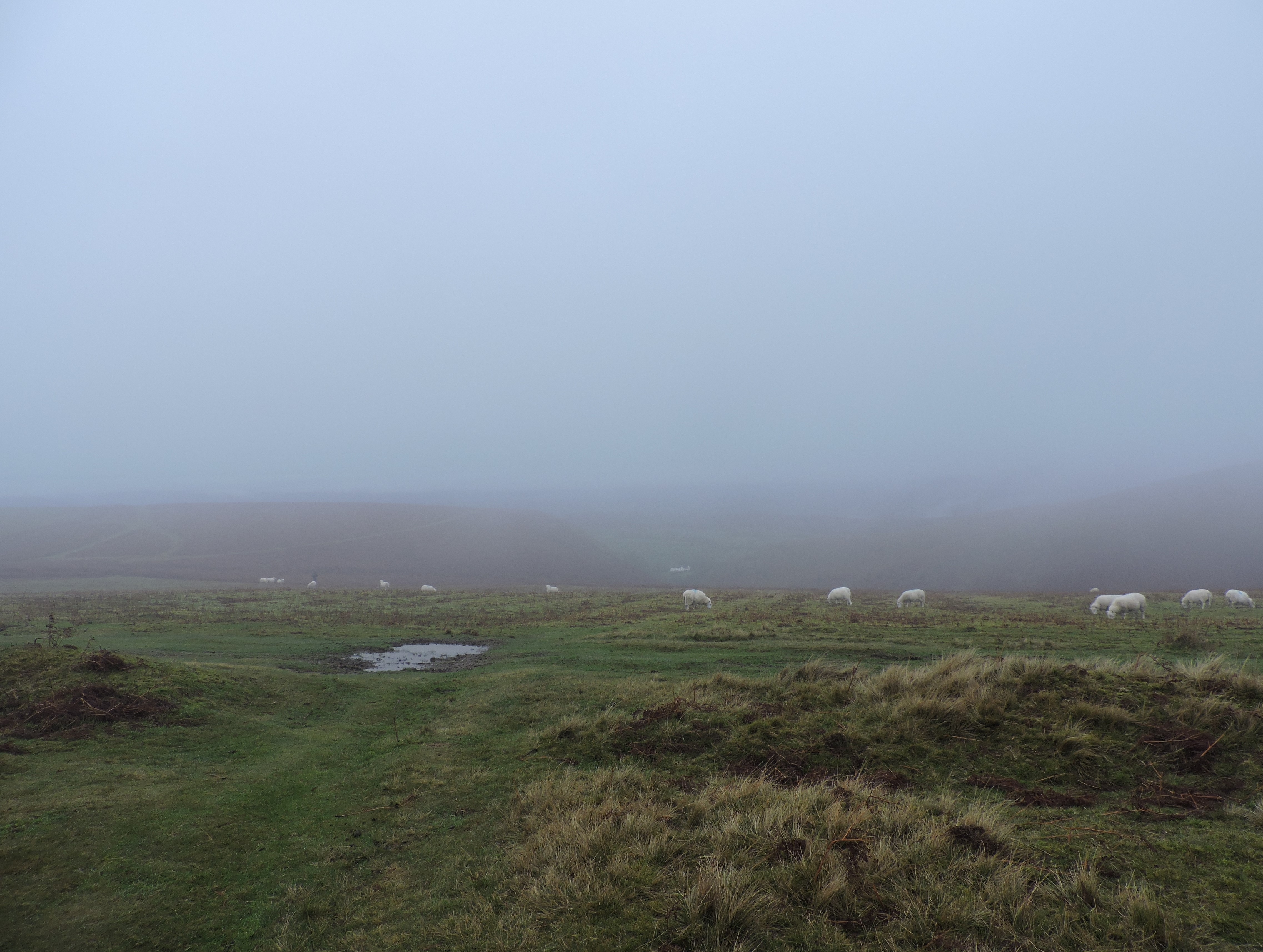
There’s nothing here, bar ditches and mounds and nibbling sheep. And a few dogs, walking their humans.DSCN1290 (2)

The hills circle around us like family. Several host similar forts, they say. I could imagine beacons lit on each. A ruby necklace of warning for a dark, dangerous night.

‘You know,’ says he who knows these things, ‘more recent thinking is that they’re not forts so much as community settlements.’

I imagine sunny days and lush greenery. Hens and cows and babies. Leather clothes and smoking fires.

‘I could imagine that,’ I say. Because I can.

‘But there is the small matter of all the sling shots in the ditches,’ he rejoins, ‘and why would pastoralists live at the top of hills behind ramparts?’

‘To keep the wolves away,’ I say, with little hope of convincing.

I’ve been re-reading the Box of Delights, a children’s book by John Masefield. A story of snow and wolves and magic and Christmas. ‘The wolves are running’ – the watchword known only to the good. A phrase that ignited a flame of fantasy the first time I read it.

Still does.

But archaeology can’t be about magic. Just evidence. Though I’d argue it’s still about mystery, archaeology. The bits ‘we don’t really know’.DSCN1282 (2)

Anyway.

I have no more heart for debate.

Eyes fixed on the ground, avoiding slippery mud, looking for gravelly traction, we trudge back to our world.

There’s barely a rustle in the woods.

The gatekeeper wind has retreated.

Seems not to mind that we’re leaving.

And – neither do I.

I’ve stocked up on magic and mystery.

Home beckons.DSCN1315

Posted in Art, jaunts & going out, Britain now & then | Tagged , , , , , , , , , | 10 Comments