‘She’s leaving home…’

It seemed like a good idea at the time.

Archaeoman away for some weeks and the muse’s voice inaudible.

The frenzy wasn’t quite as bad as usual in the run-up to his departure, more of a prolonged shower than an interminable tropical downpour.

Yet still, as usual, it swept most things before it.

The many uses of household tables preparatory to expedition

Baggage of the Archaeoman kind

Which is perhaps why I booked the cottage I did in such a hurry.

A fellow blogger had written about a peaceful, sea-view of a place, with Welsh literary connections – and I was tempted. So tempted I caved in. Joined the Airbnb ‘community’.

But something diverted me from Wales. Some mischievous sprite whispered ‘Yorkshire’ in my ear. And I succumbed.

The week I’d chosen was punctuated by a monthly freelancers’ day I enjoy.  And so, after a jolly Wednesday spent in the company of other lone workers, one bringing luscious cake, I set forth upon a Thursday for four nights away.

Alone.

In rural Yorkshire.

Now, setting forth, for me, is no simple matter.

First, there are the books. For a stay alone it’s essential I take the books I might need – or want. Two carrier bags packed, I still worried. Then found the obvious solution: technology.

After much searching I found the lead to recharge my Kindle and, after more searching, my Kindle.

Secondly, clothes. Sun today, but what tomorrow? Walking: boots or … ?

I had the luxury of solo travel in a car, so decided to take whatever I felt like taking.

It took a while to pack 😉

Thirdly, food.

A fruitless search for our cool-bag ended when I remembered it had gone to Africa. So the new-bought goodies went in the freezer.

In a way it was liberating. The blurb said a brew-pub was a decent walk away. Perhaps there’d be good food too.

And so came the time to set forth. Which is where the most serious issue arose.

To illustrate the scale of this challenge, I’ll journey back in time. To a previous home.

When I was working in the south west of England we lived, for five years, in a picturesque weaver’s cottage of four storeys. One medium and one tiny room made up each floor, except the top, which had just one.

On that floor we kept our ironing board.

One year, Archaeoman was away for three months. And every working day, when I left home, I had to unlock the front door I had just locked and climb the stairs to the top floor. Some days twice in a row.

Why?

To check whether I had switched off the iron I may or may not have used that morning.

On one occasion I was in London overnight and had to call my neighbour to check I hadn’t left a pan on the hob.

You can see where this is going. I’m neurotic about leaving things switched on.

But again, technology to the rescue.

I made a list. Checked off each item. And then  photographed the evidence with my phone’s camera.

#Sad. As Donald Trump might say.

#Effective. As I say.
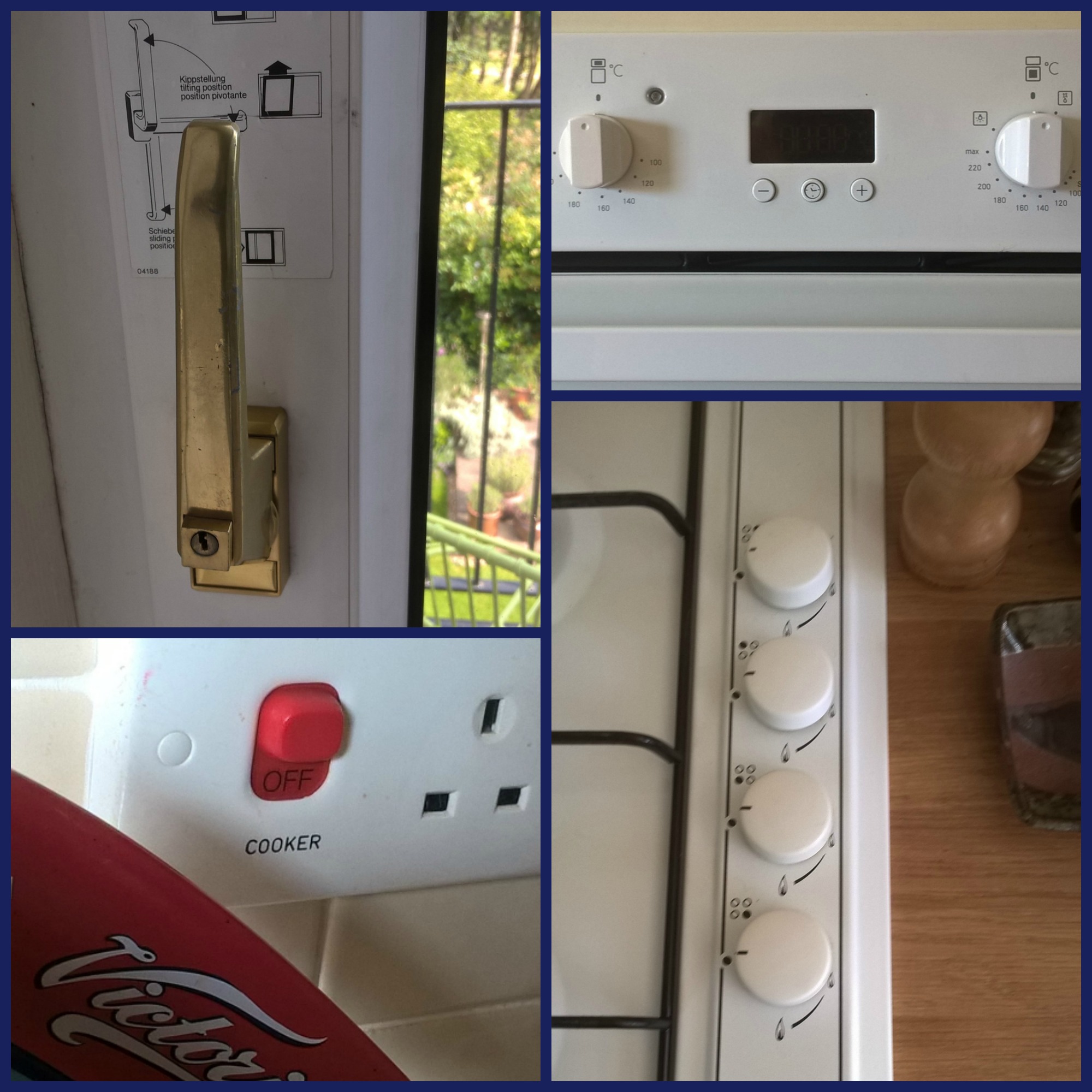
Gas rings off, cooker off, balcony door locked? Tick. Click 😉

Utility Room: iron off? Garage light off? Door into garage locked? Tick. Click 😉

And so I hit the road.

The next question. Visit Salt’s Mill on my way or not? Not for the Hockneys, I’ll confess, but for lunch – and a new Moomin mug to replace a Christmas present I broke.

I did, to be fair, plan to visit the new Hockney gallery in Bradford during my stay. And the Hepworth at Wakefield.

And, and, and …

David Hockney’s own painting of Salt’s Mill, in Saltaire village, near Bradford, both built by Sir Titus Salt, in the entrance to the mill and galleries
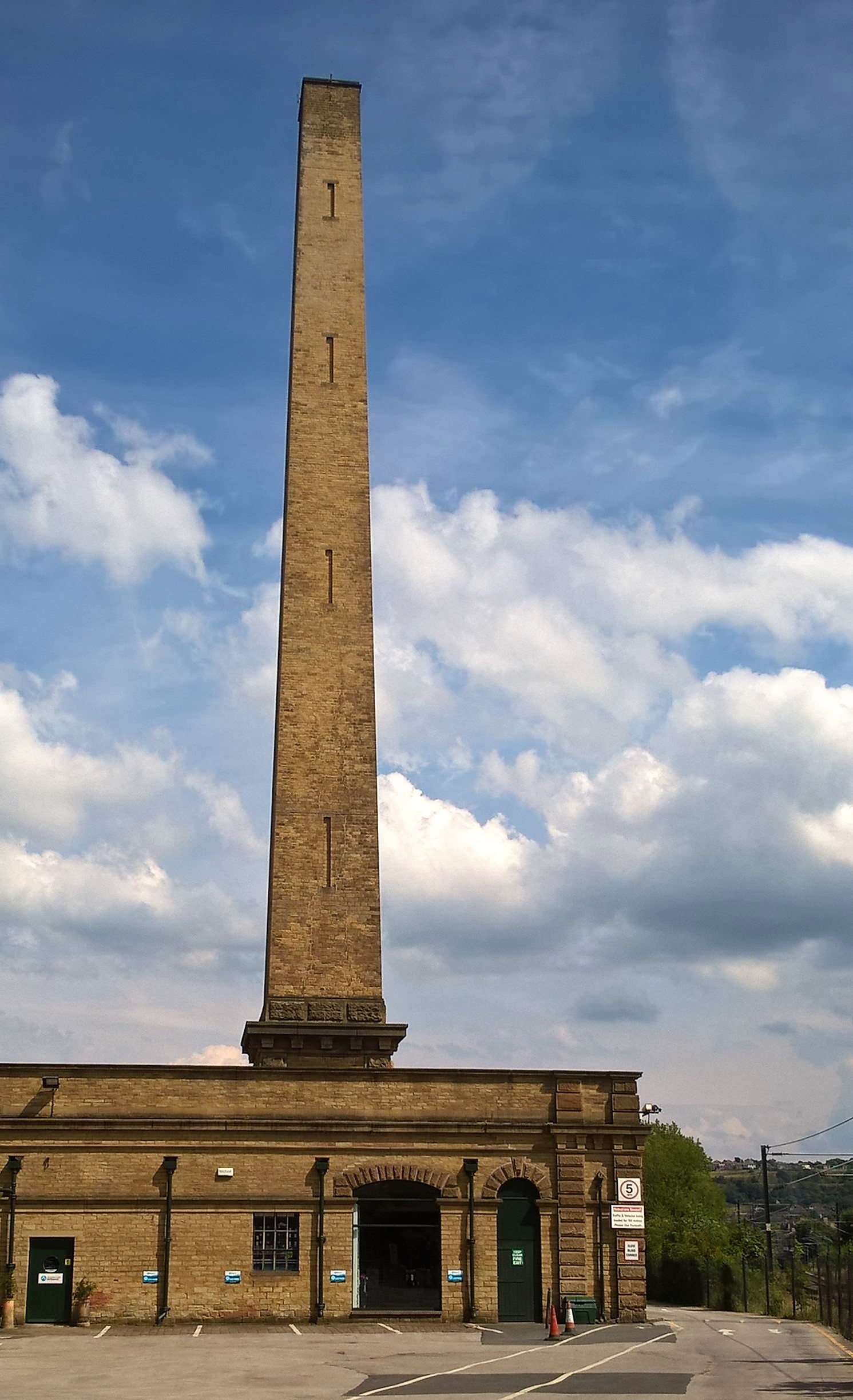
What a heroic chimney – and not even the most elaborate. Rather clean nowadays. I was going to do a blog about chimneys over the next few days…

Another nearby chimney , less grand, less clean…

And an inconspicuous modern ‘chimney’ behind the stone building. How long will this survive, I wonder?

Anyway.

I reached the mill and went straight to the shop. Which needs a health warning. Full, as it is, of fabulous Scandinavian design.

Glass cases of ‘collectables’ that have me thinking, ‘oh no, I got rid of one of those when I cleared my parents’ house,’ at irritating intervals.

As you might guess, the Moomin mug had company in the large paper bag when I left.

A candleholder for our hand-dipped candles. The ones that have been sitting in the cupboard since our last expedition, before Christmas.

Another tea light holder. And a tiny gift for… well, she’ll find out in September 😉

I could not resist the Hattifatteners sitting down to tea on my tea mug 😉 and ferns – such beautiful things

I had Yorkshire tea and tea-bread in lieu of lunch. Then sped towards my goal with a happy heart.

I love the lights in the upstairs diner – and check out those columns from the factory’s manufacturing days

But.

The omens were bad.

A mistaken trip down a long cobbled path.

Several phone calls to the owner – no response.

Several turns-around in tiny roads, checking details online on a dodgy connection.

Two trips through a bottle-neck hamlet in a valley below a quarry…

When I finally arrived, the one downstairs living room, straight off the road, was dark and gloomy. The one window looked over the road.

Spurts of traffic that had made it through the bottleneck changed gear as they struggled up the steep hill.

Behind the sofa, a door led onto a tiny porch – and that into a beautiful sunny garden. Of which there was no view from indoors.

The tiny kitchen was dark.

I stood.

Shocked.

Couldn’t stay.

I went upstairs. ‘My’ pleasant sunny bedroom overlooked the road which ran directly beside the cottage.

I rang and finally got through to the owner.

She came.

We parted amicably, despite her plain incomprehension and the few tired tears that escaped, despite my best efforts.

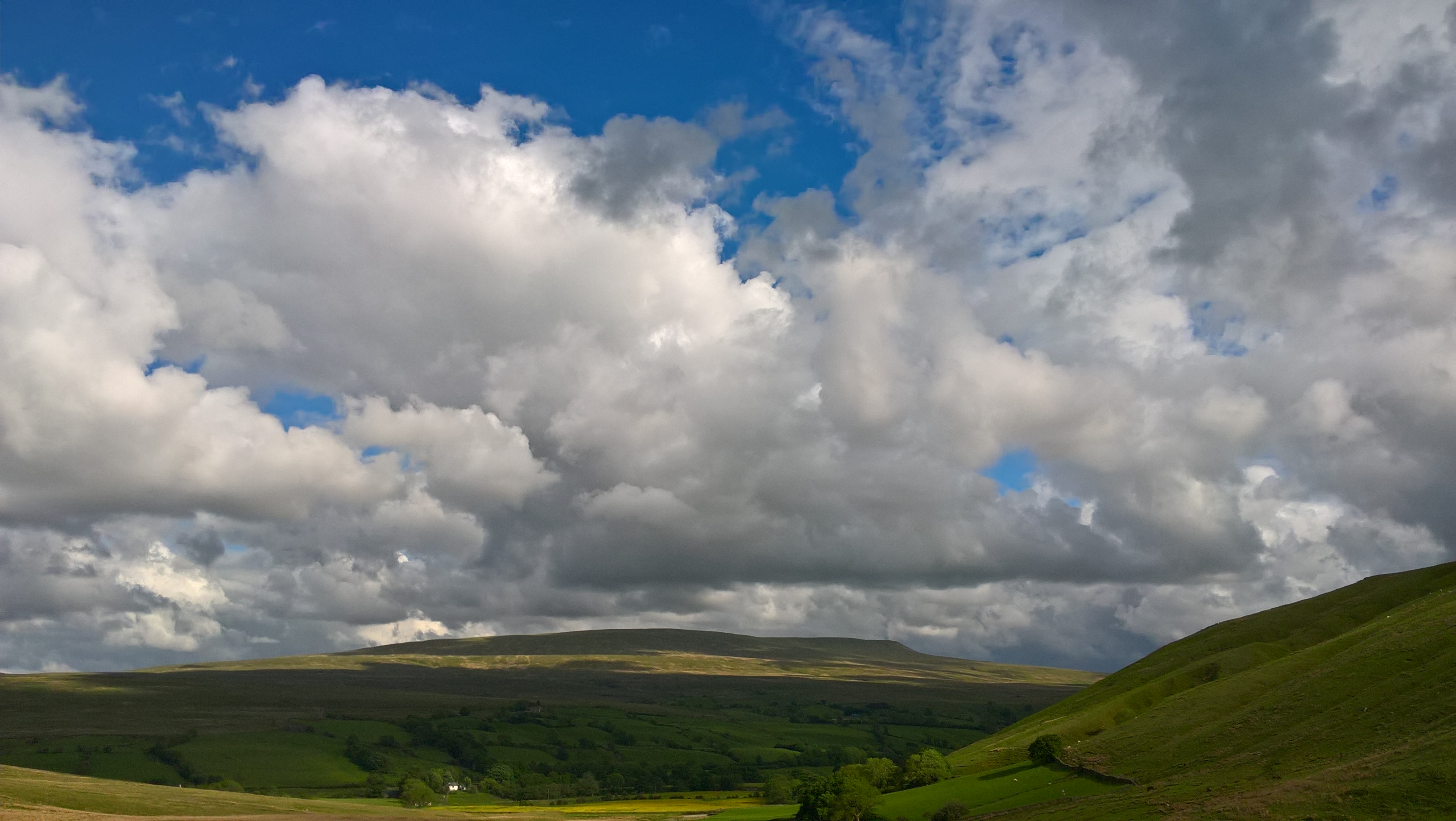
But before long I was driving on top of the world. One of my favourite places on earth rising in the distance.

Pendle in the distance, driving back into Lancashire

I toyed with the idea of finding a b&b for the night. Then got back in the car and drove.

Nearly two hours later I was home.

The light poured into our upside-down-house’s airy, Scandinavian-style upstairs living rooms and kitchen.

And I learned two expensive lessons.

  1. There’s no place like my home.
  2. The muse is not for finding – it’s my job to listen. And to wait.

In fact, I think she may be around, somewhere.

Apologies to the Beatles, but …

… she’s staying home, bye bye. Bye bye.

Our garden’s a second home to this battle scarred Red Admiral. I’m honoured to keep it company 😉

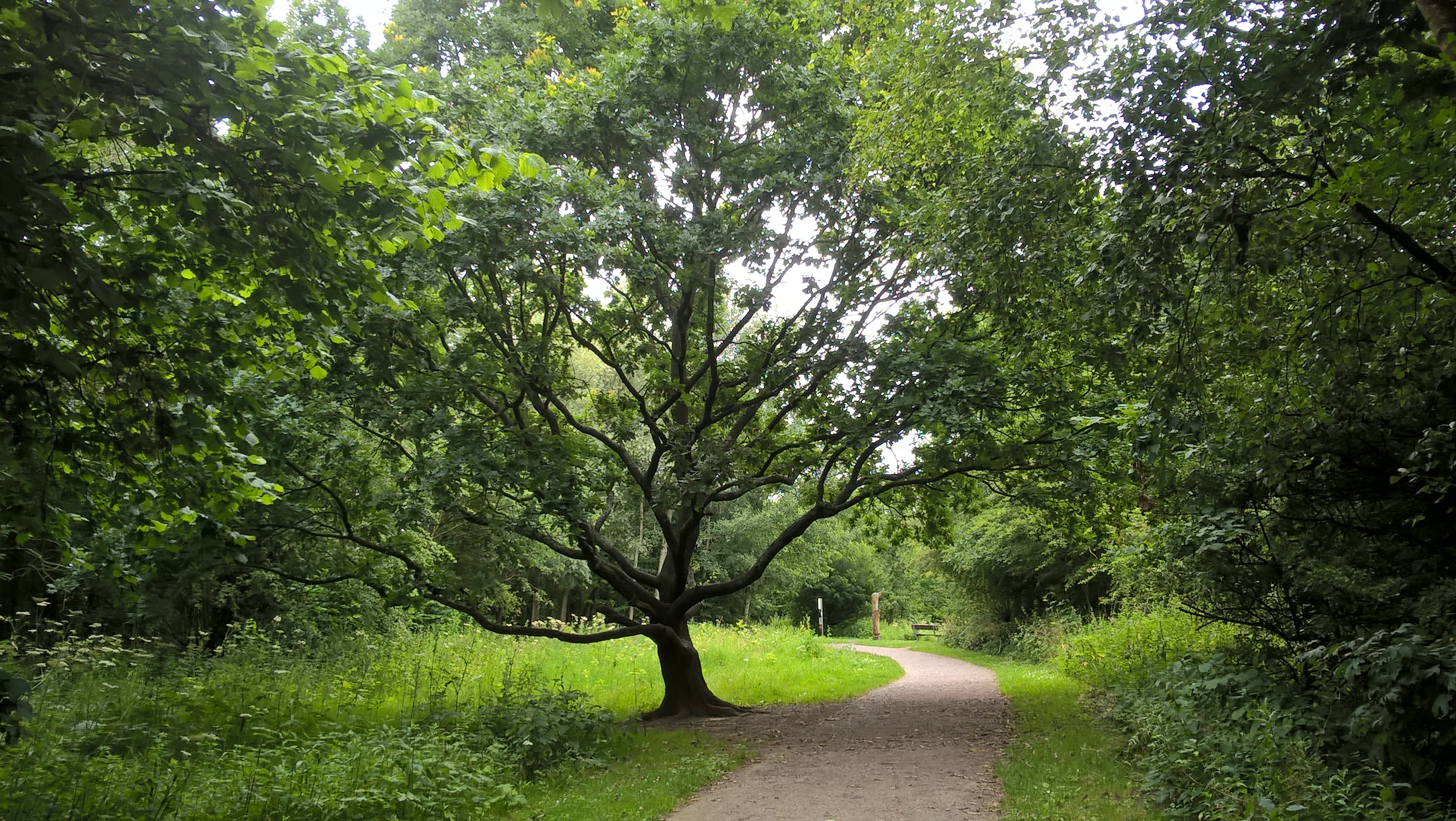


Posted in Art, jaunts & going out, Britain now & then, Thinking, or ranting, or both, Travelling, Yorkshire | Tagged , , , , , , , , , , | 24 Comments

If  you would like to see a few more pictures and a video you have to turn sideways to watch, oops!  😉  of the small press I visited and wrote about in Dylan, dogs and the devil it is now online on my other blogging site Maid in Britain

And if you would like to keep track of what archaeoman is up to in Zambia, he has a new blog site here and has just started the first season of his new project. A new (second) post is awaiting upload right now – they will be intermittent as the place he is staying (Fawlty Towers!) has limited wi-fi.

Yes, I’ve been reduced to husk status again. Don’t worry, that was said with a wink. I wasn’t willing to shell out £1400 on airfare alone, so, as you may see, if I have time to blog it (another wink) I am doing my own thing here in England while he is away.

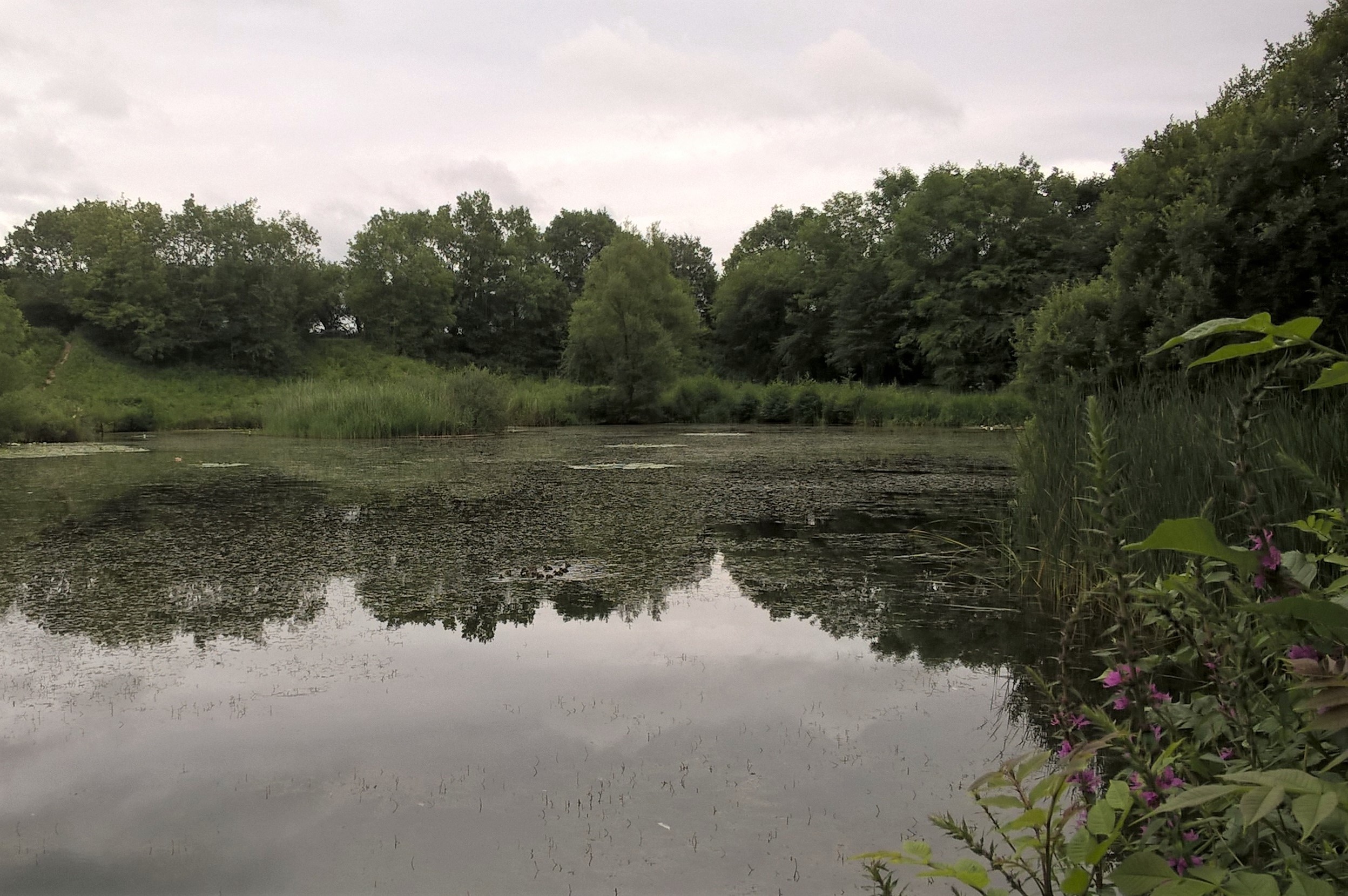
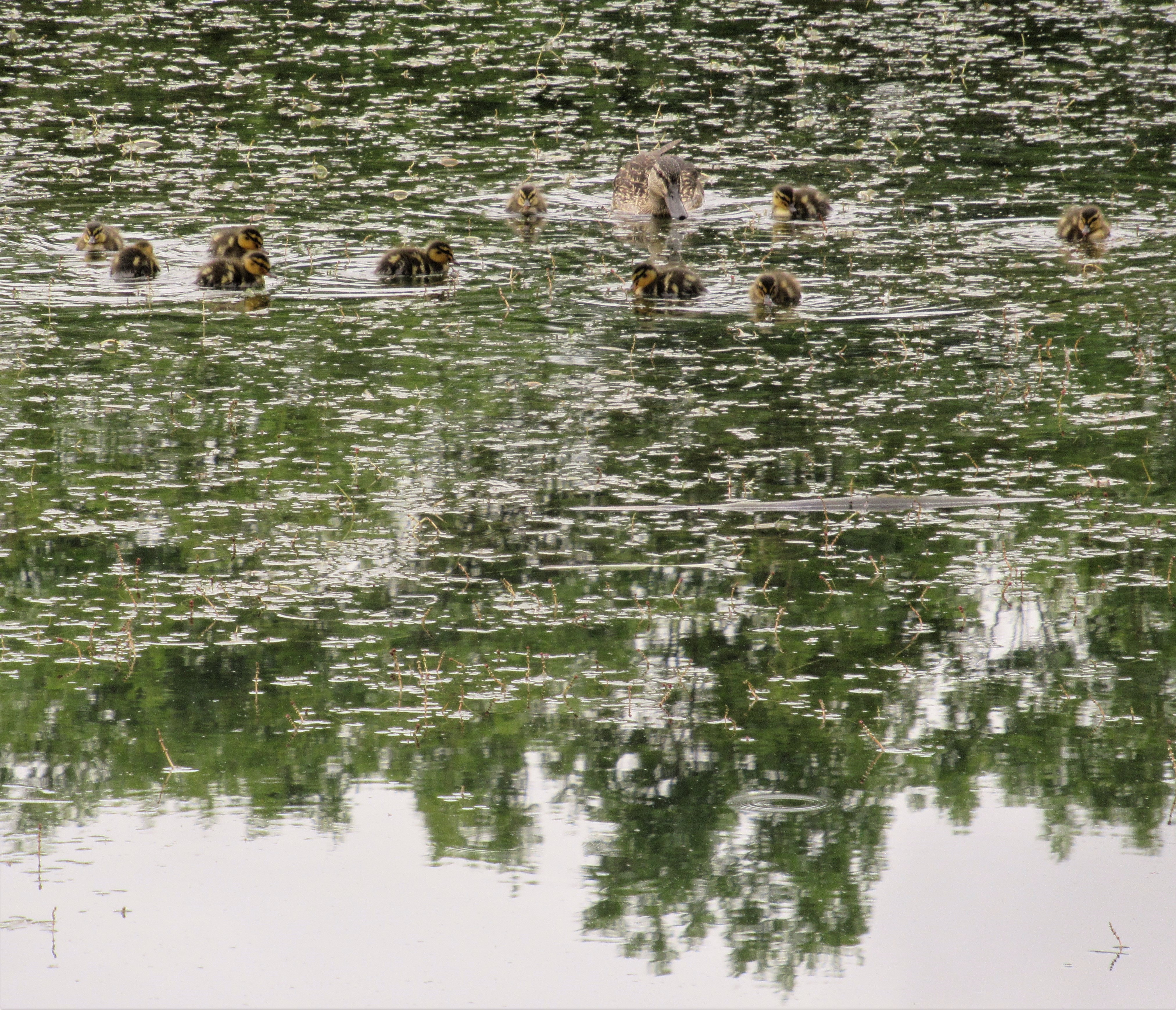
Here are some pictures from yesterday’s overcast-sky outing to Longton Brickcroft Nature Reserve near former port and industrial hub, Preston… Oh, it’s grim up north (knowing smile).

See the duck and ducklings? Close up next picture

Beautiful cornflowers and a poppy in the corner there brightened up a very dull cloudy day

Posted on by memoirsofahusk | 6 Comments

Where there is sun, there are shadows

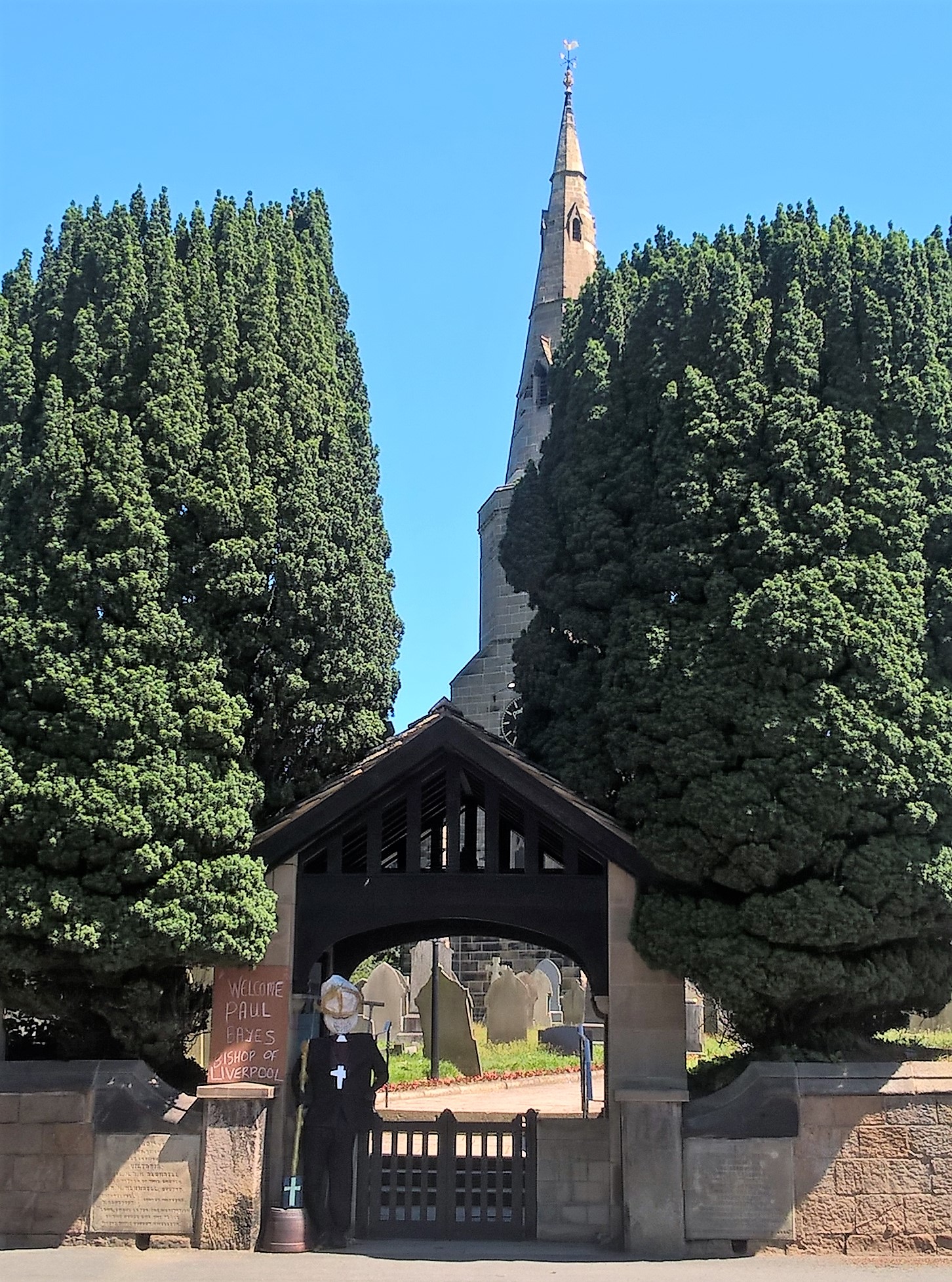
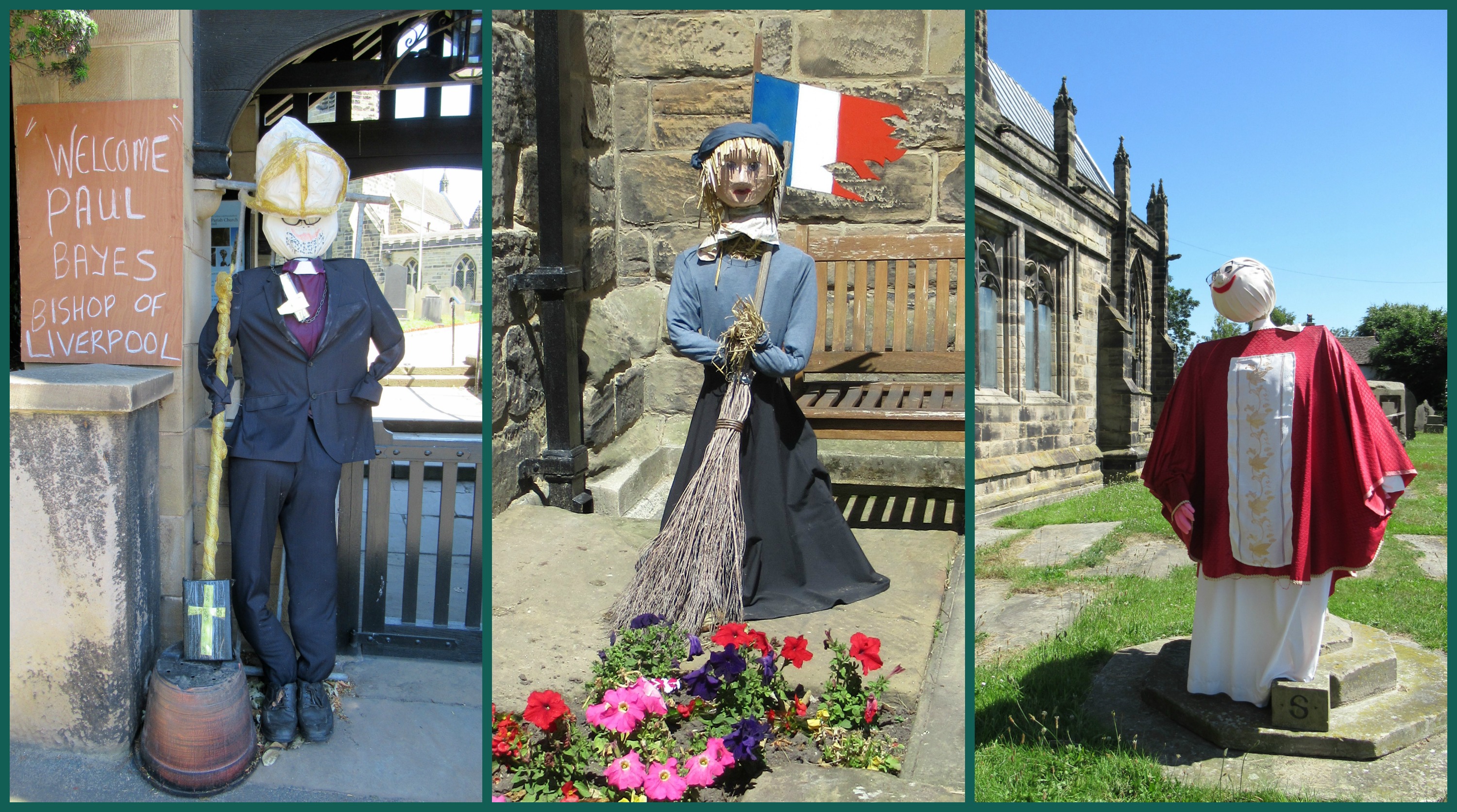
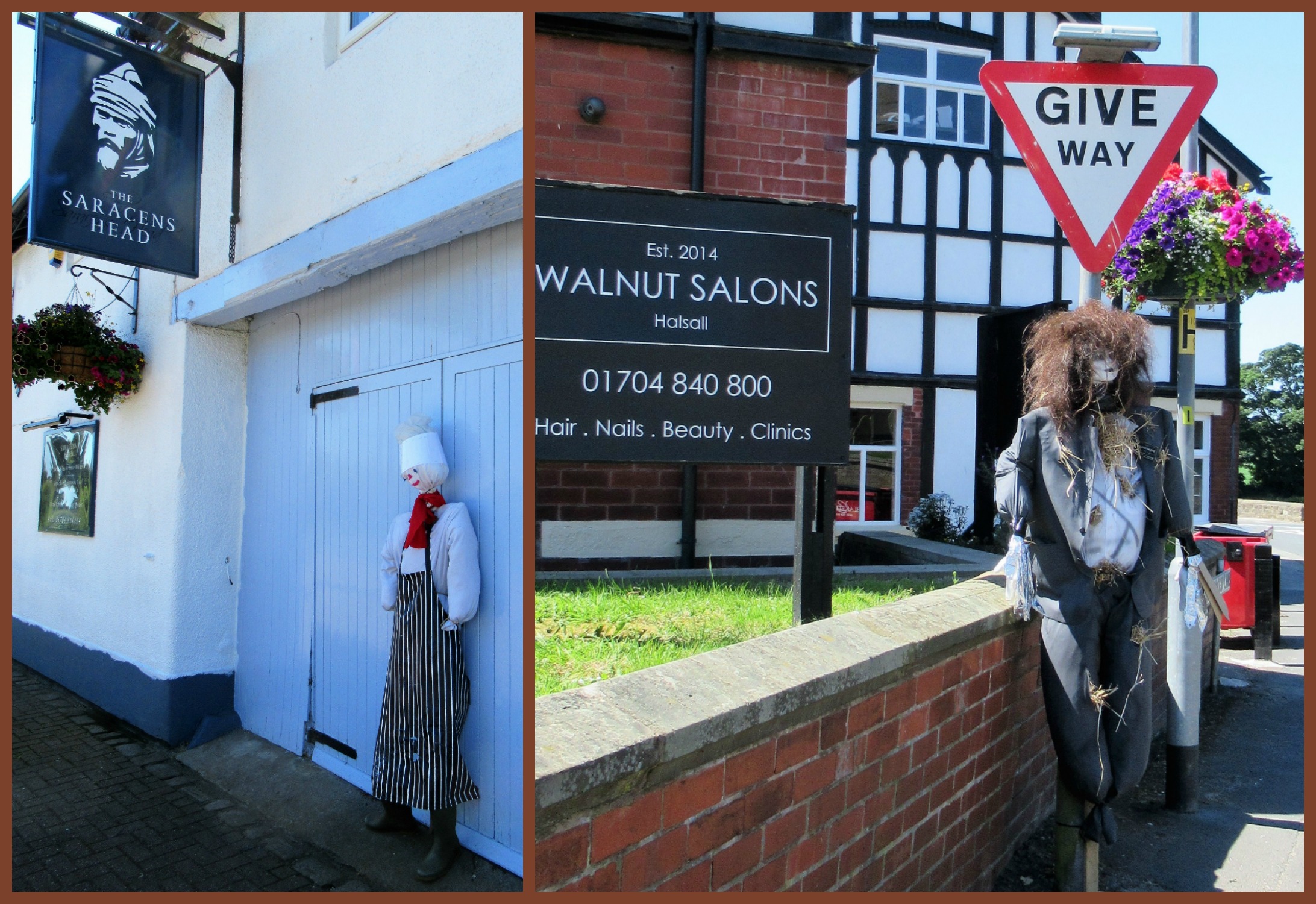
I couldn’t identify the Big Friendly Giant – but then he had no nose.  The bishop, though, was instantly recognisable. He had a mitre. And a sign. Plus he was standing right beside the church gate.

His ecclesiastical lordship, the BFG and I were keeping each other company in a small Lancashire village on a sunny, silent Sunday.

Well, silent except for the traffic.

And the occasional drive-by joker.

And the birds.

So, no, not really silent at all.

But it was that wrap-around kind of heat. When it feels as if everything, including sound, has been stifled by a hot, humid, invisible summery facecloth dropped on the world.

We’d parked at the village cricket ground, where a couple of chaps left over from Saturday’s match still hung around in their whites. Presumably waiting for the next game. Or perhaps Sunday lunch.

A stroll down the leafy main road brought us to the church and now, venturing past His Lordship, into the baking heat of the churchyard, I was a bit nonplussed to come across Joan of Arc (born 1412). But then, given the church tower is contemporary with Agincourt (1415), who knows what it has witnessed since?

Part of the tower and spire of St Cuthbert’s Halsall


Despite the fact it was Sunday, the church door wasn’t open, so I can’t vouch for the treasures that lie within. But others have been there before me.

I have an unreliable, but charming guidebook I often use when delving into the past of my home county.

And, sure enough, ‘Lancashire,’ written in the 1930s by Arthur Mee, offers a tantalising, romantic glimpse of what lies within St Cuthbert’s  church. (While saying nothing whatsoever about the village.)

 “in alabaster on their altar tomb are Sir Henry Halsall and his Margaret, he in heraldic armour and she in a long tightly-waisted dress, but without a head”

How inconvenient for poor Margaret.

“a faded wreath sent by Queen Victoria from Balmoral for the grave of one who had been her maid-of-honour”

I wonder if it is still there?

And, perhaps saddest of all the memorials in this place of many memorials:

“ still treasured in this place, where once his father was 42 years rector, is the sword of Wilfrid Blundell, tragically killed in the Boer War by an enemy to whom he was offering a drink of water.”

Aged 28, in 1899.

But none of these things we saw.  And leaving behind the enigmatic church and its welcoming graveyard, toddled off sightseeing.

And what sights we saw.

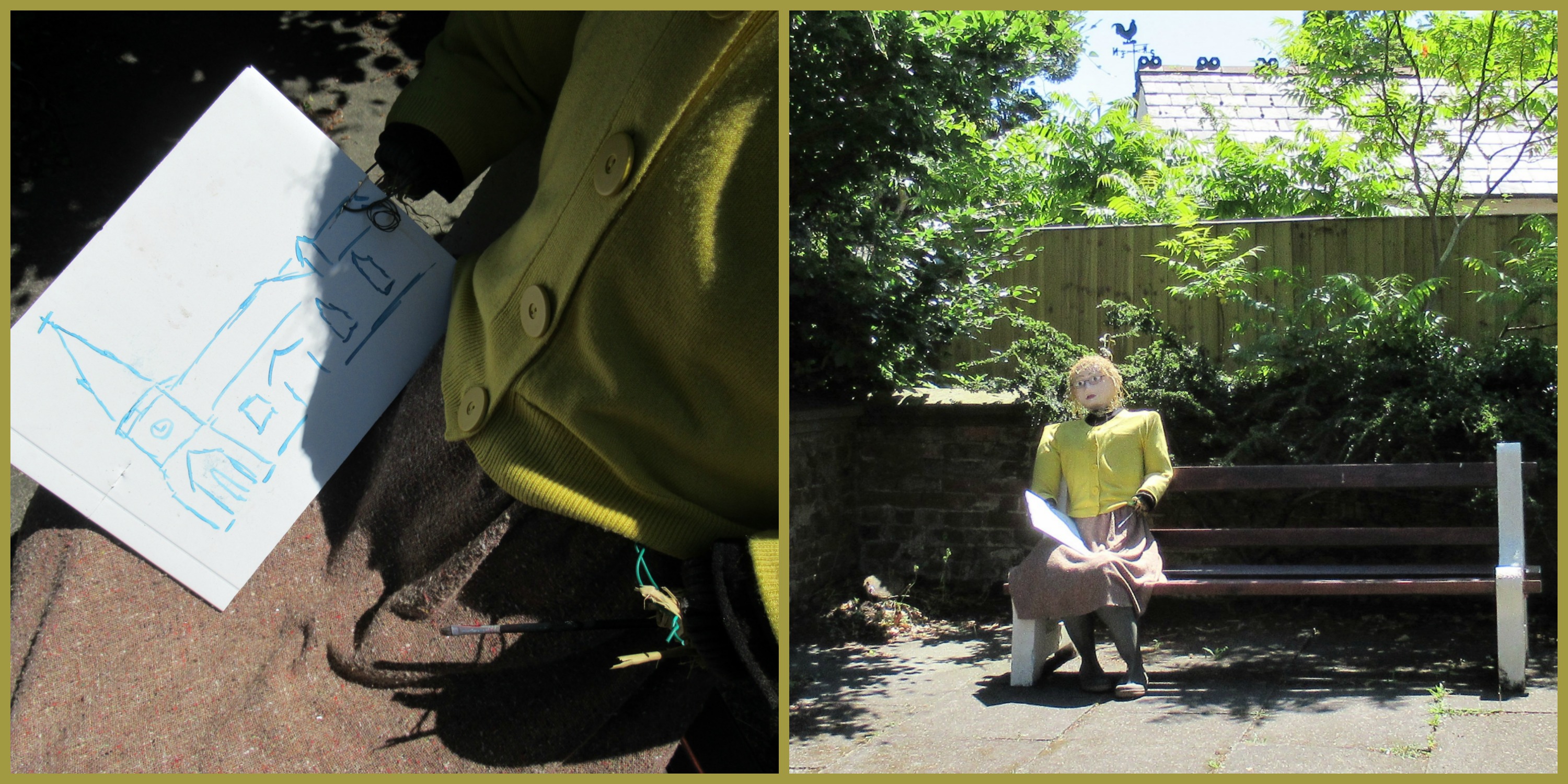
Across from the church, an artist sitting on a bench, sketching (I don’t think she should give up the day job).

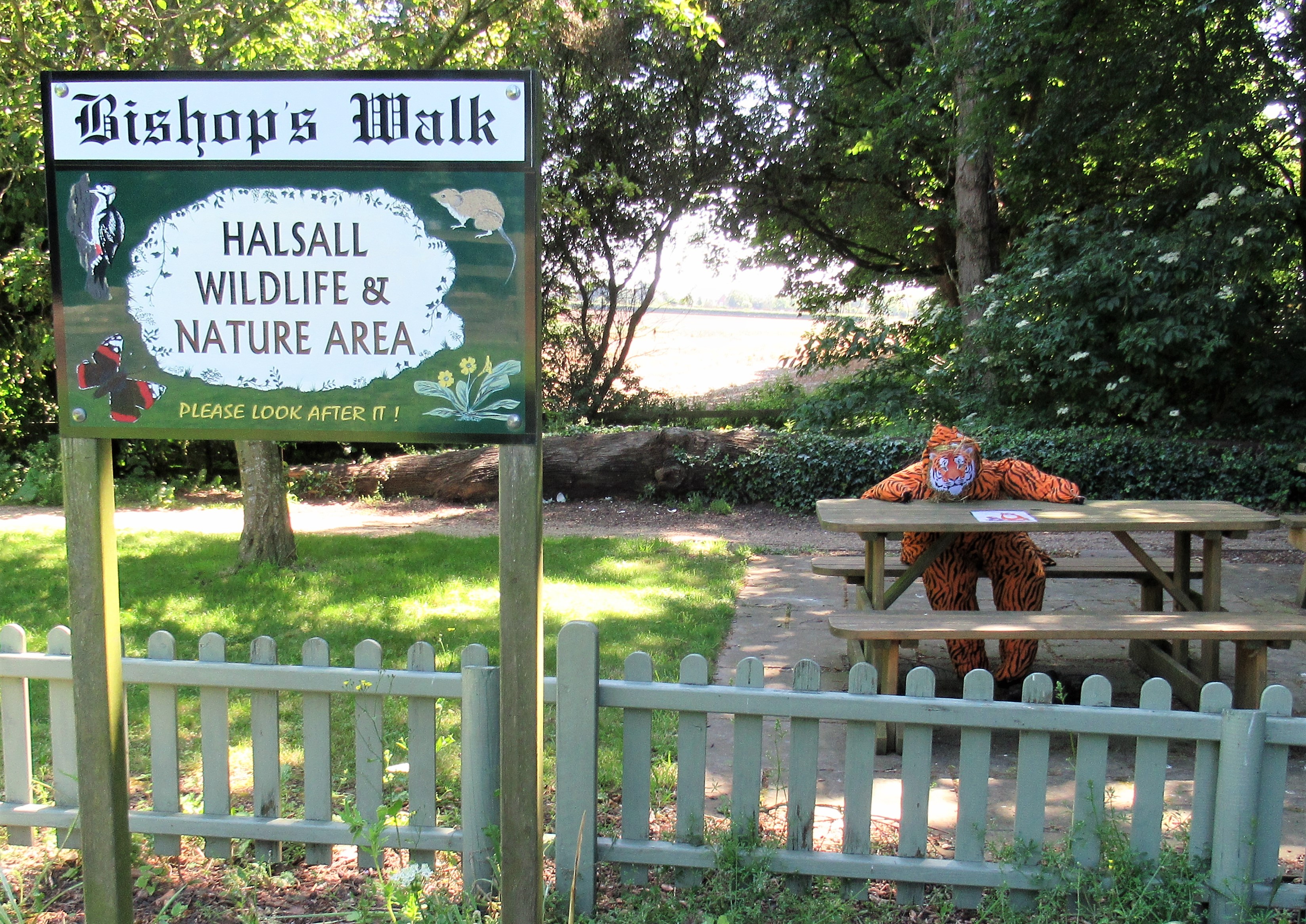
A tiger (who’d come to tea)  in the nature walk’s picnic area.

A beekeeper taking a break, small bees buzzing beneath a tree at his side.

A couple in their wedding finery.

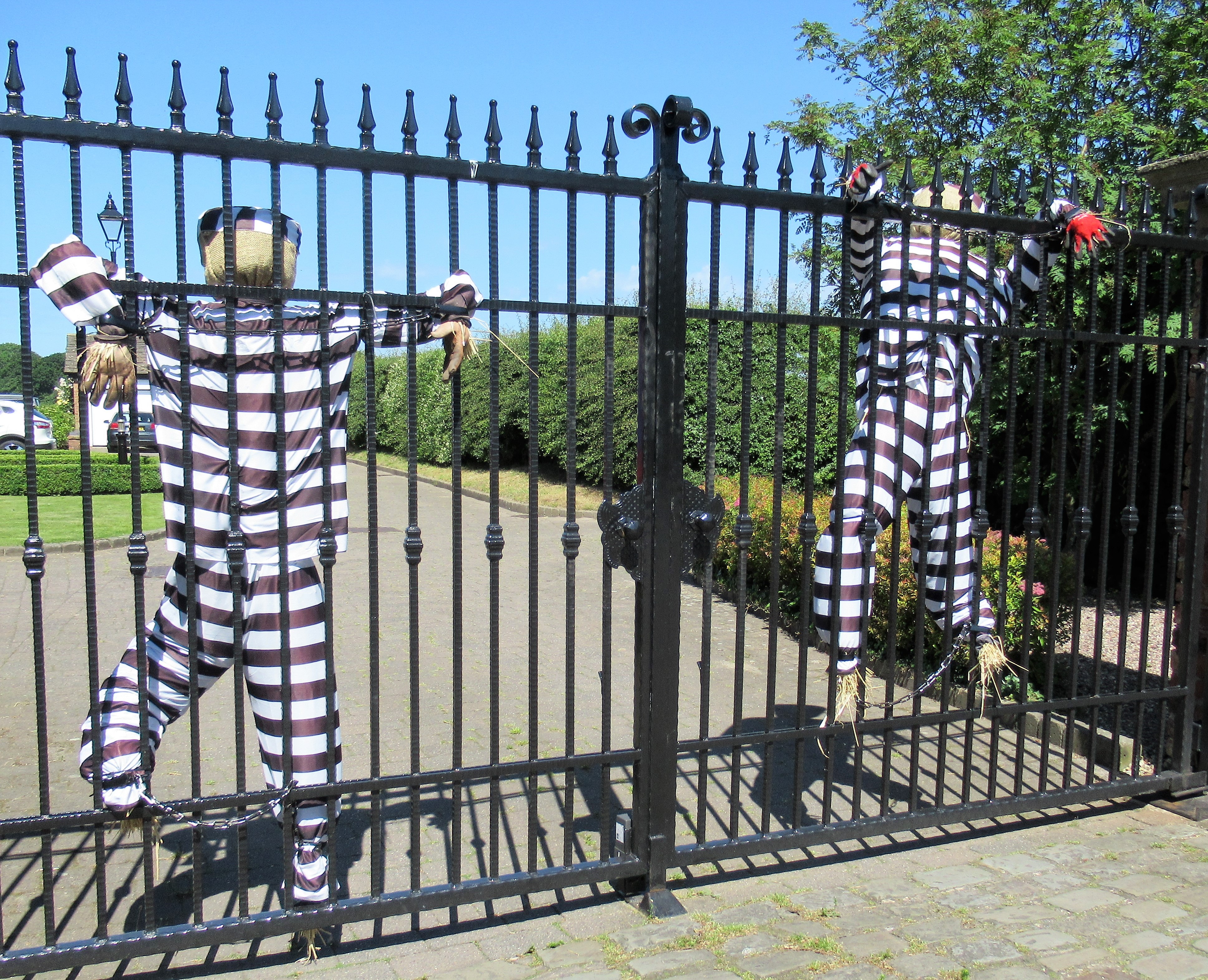
Escaping convicts.

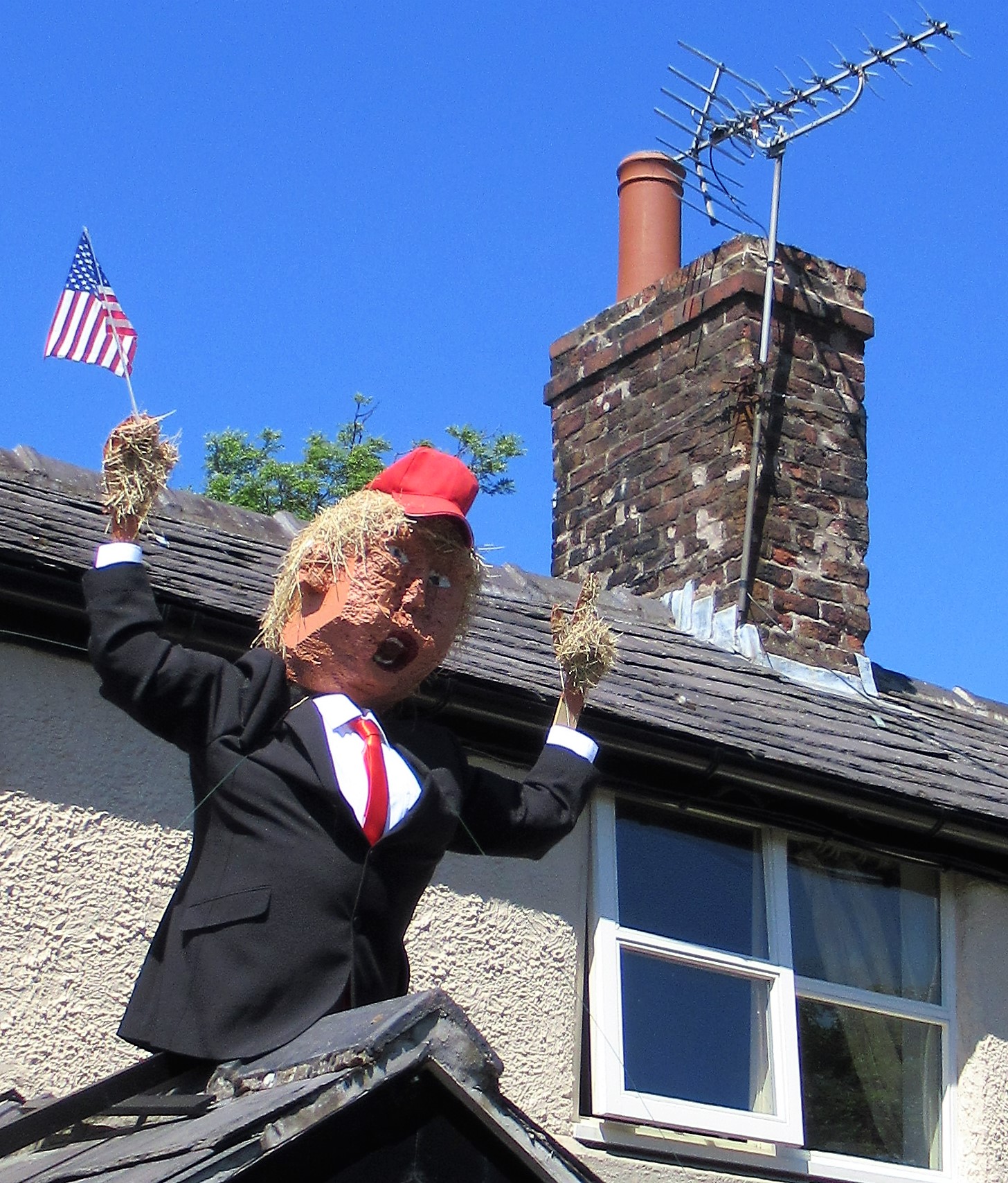
Even Donald Trump.

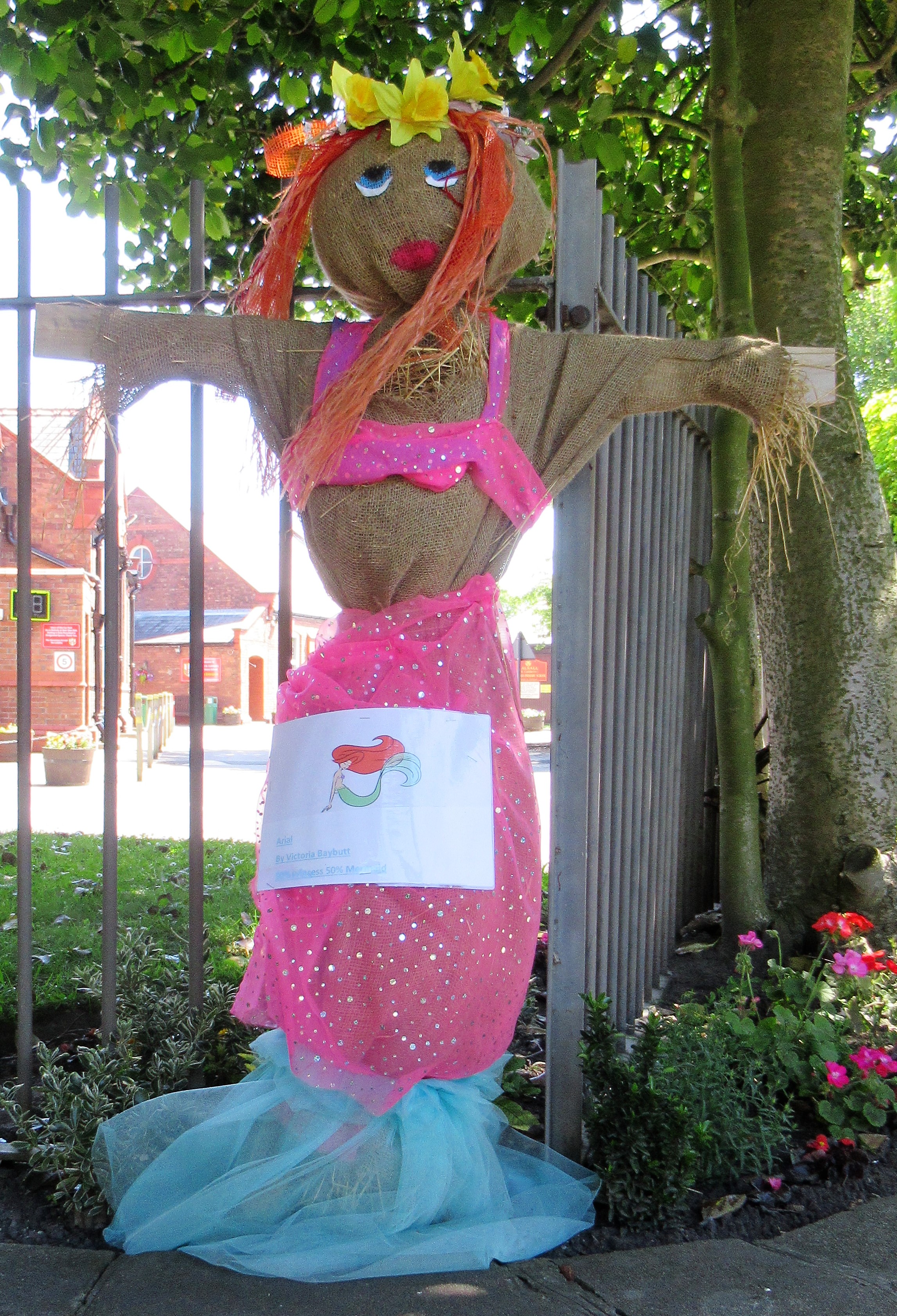
And a glamorous roadside siren – 50% mermaid, 50% princess.

My poor feet, in that blistering [groan] heat, were ‘Tyred out’ when at last we reached the canal.

And conveniently, the pub.

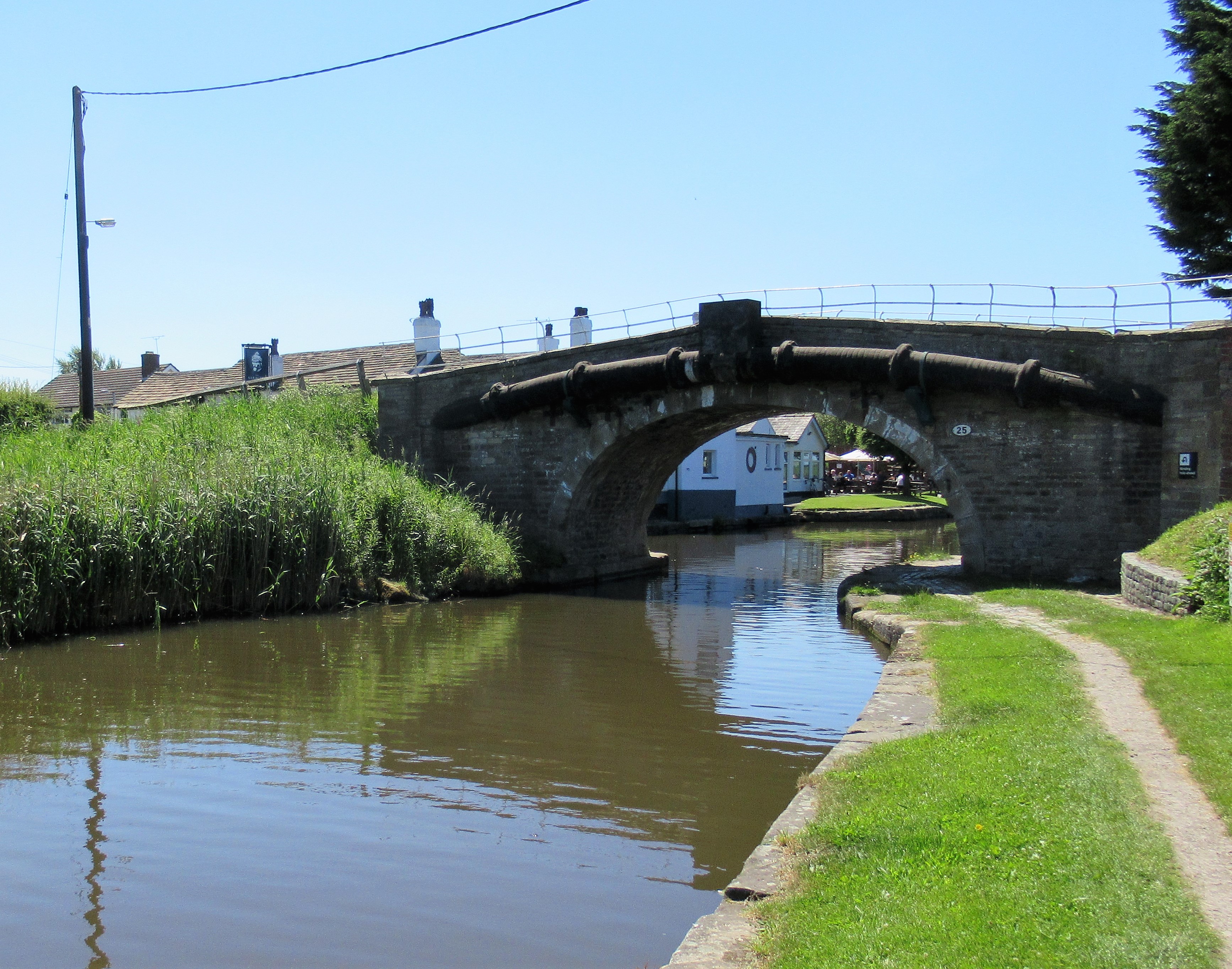
Here the first turf was cut for the Leeds-Liverpool canal.

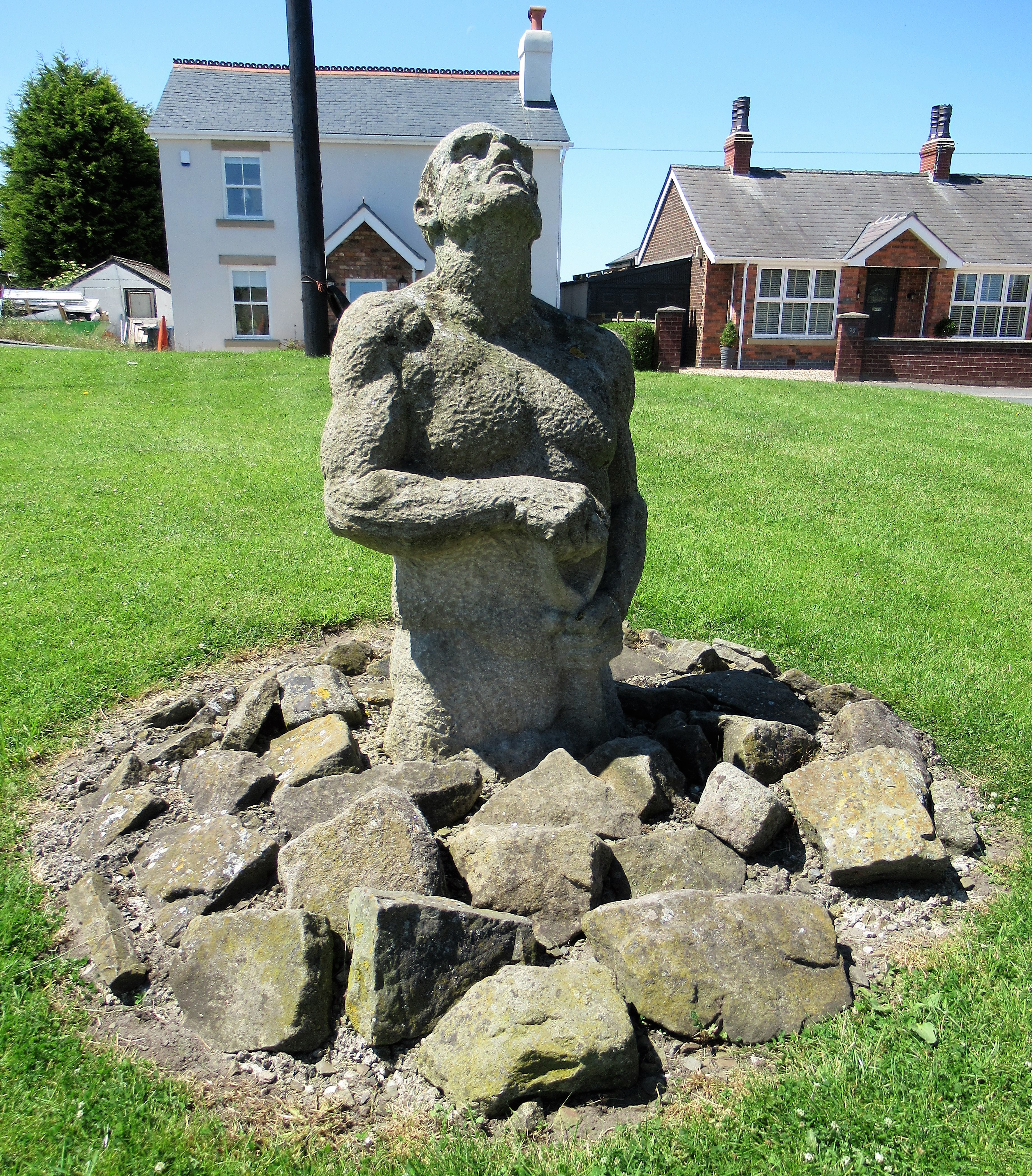
A striking stone memorial rises from the ground, a tribute to the ‘navvies’ – ‘navigation’ workmen – who built the waterway.

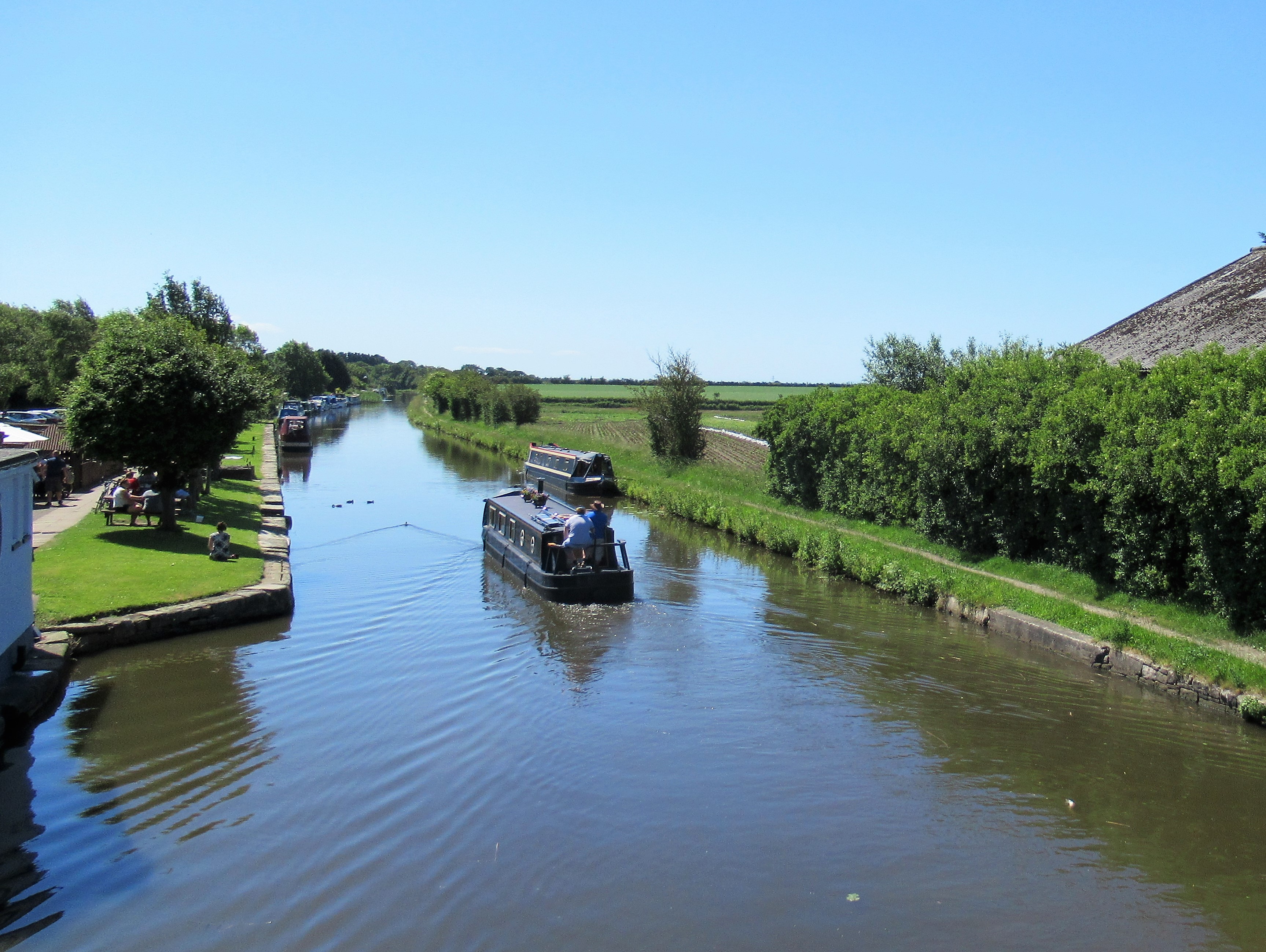
Adjourning to the pub, with two shandies and a bag of salty crisps before us, we sat by the cool water. Watching.

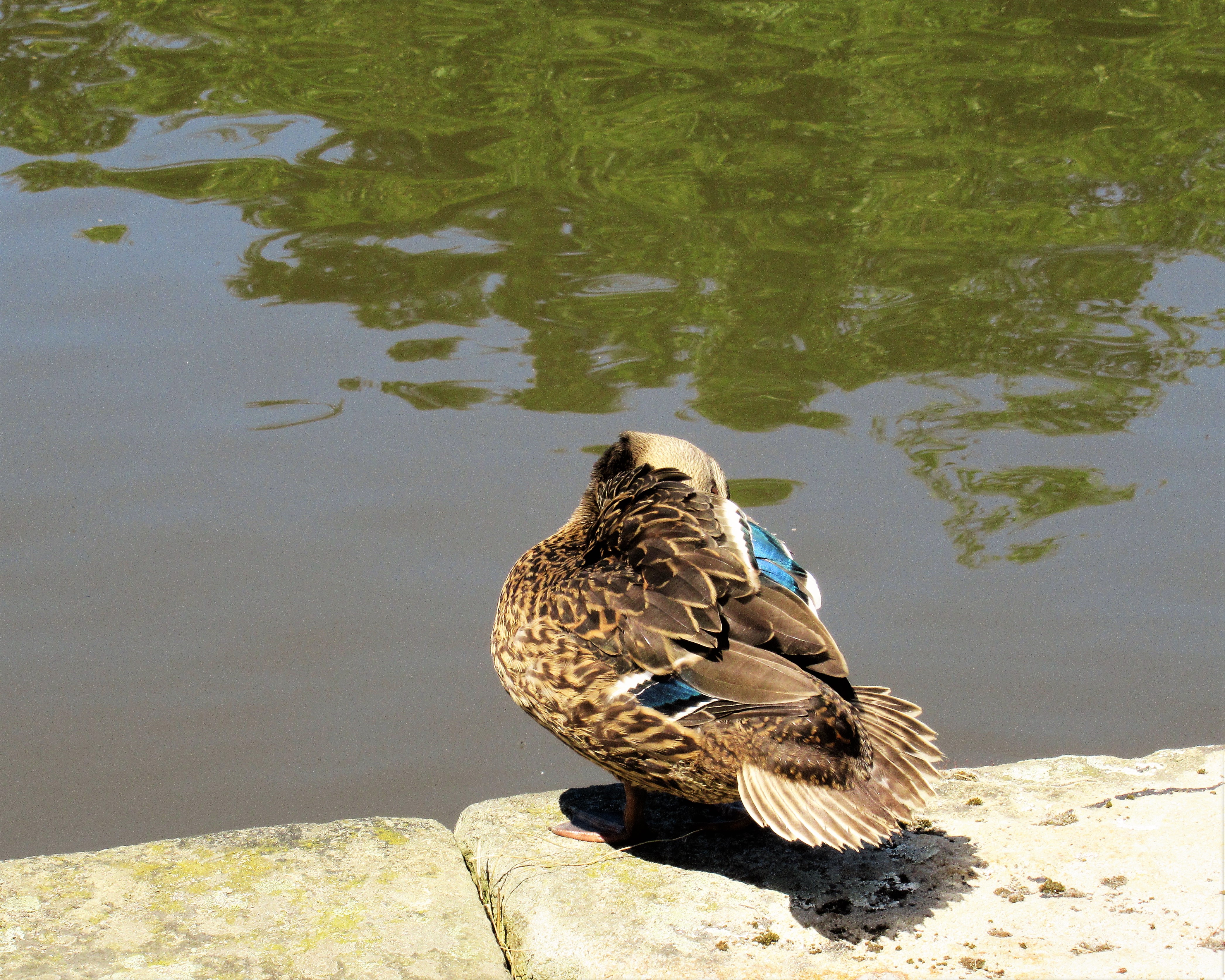
A duck preening.

Canal boats, moored or puttering by.

And then, the sun still high in the sky, we drove home, to a glorious day in the garden.

But even in the heavenly sunshine, surrounded by blossom, with water boatmen rowing on our tiny pond, the wretched chiffchaff chiffing and chaffing non-stop, the remnant shadow of tragedy lingered.

A year ago Jo Cox, MP, was murdered. In a place I spent many a happy evening in my late teens, meeting my then boyfriend at the pub.

Thanks to Jo’s husband and her friends’ efforts, a memorial fund was set up and last weekend, around the nation, celebrations were held. To remind us we have more in common than divides us.

But other shadows linger, too. Wisps of cool, chill, emotional air.

The murderous London attacks: most recently a white man, in a white van, driving into Muslims leaving their worship.

The charred, accusatory finger of that tower block in London, home to hundreds of the less-than-wealthy, in our capital’s richest borough.

But closer to home, for me, those families, some just down the road, whose loved ones never came home from a pop concert in Manchester.

And I felt a little guilt that I could sit there, drinking chilled rosé, eating local asparagus, delighting in the quirkiness our world can still display, amid all the tragedies and terrorism.

But the truth is, our world can be both tragic and joyous simultaneously – it’s how things are.

And so, I’d just like to say thank you to the villagers of Halsall.

Thank you for reminding us what a wonderful world we humans can create. In such a small, yet such a happy, quirky way.

And to you, dear readers, wherever you are in this world of ours, thank you, as ever, for reading.

And I hope you enjoy the other ‘scarecrows’ (rather a lot of them!) that I’ve posted here below.

An annual festival of fun

Man at work

Not really a scare bear is it?

Beautiful ploughed field just beyond the bear

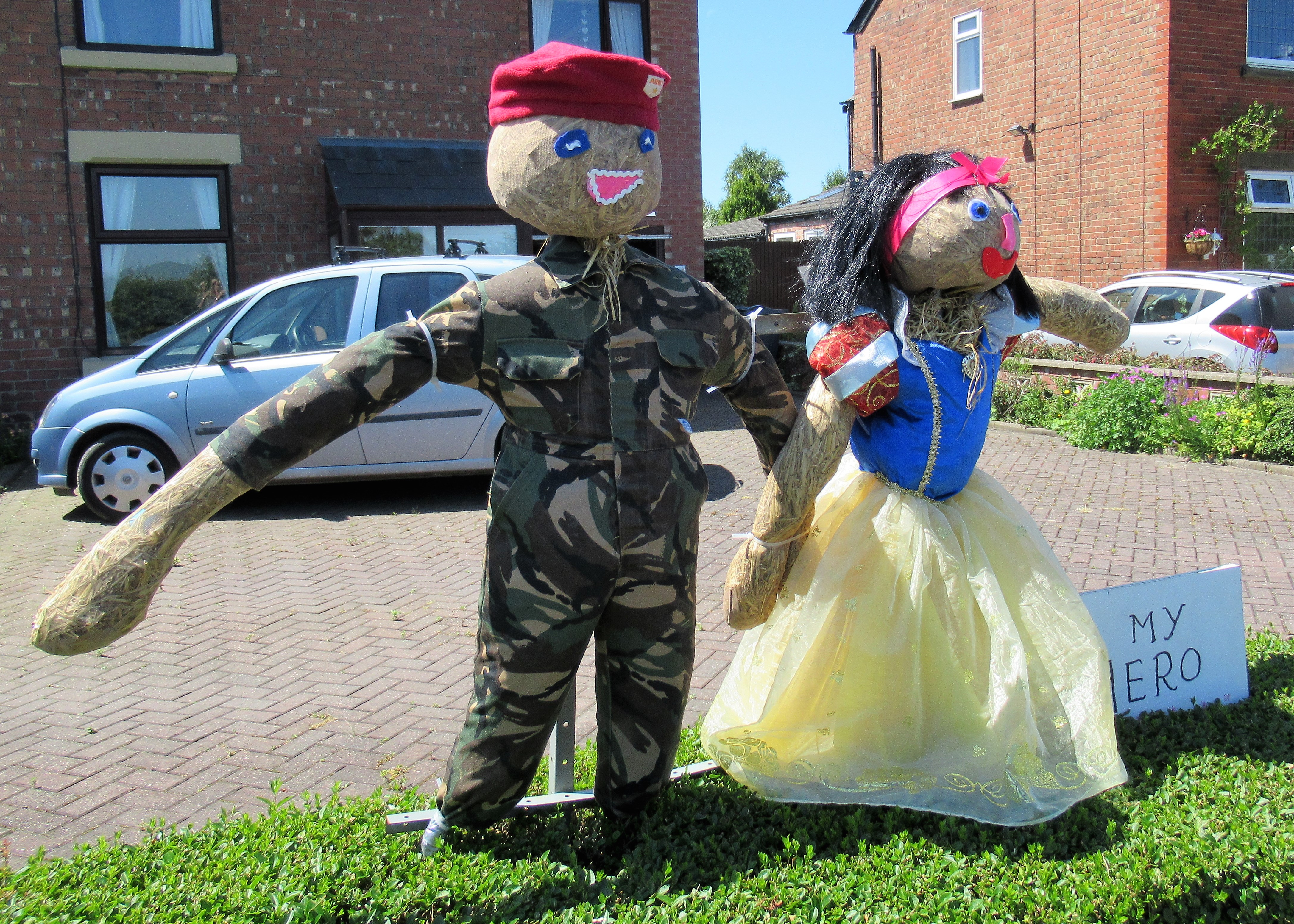
Aw, her hero

Go on whistle – don’t worry be happy!

More tea, Vicar? (A quaint English saying, just leave it at that)

Sporty Santa!

A very cheery garden with a beautiful rose hedge

Incoming crow!

Sports related by any chance?

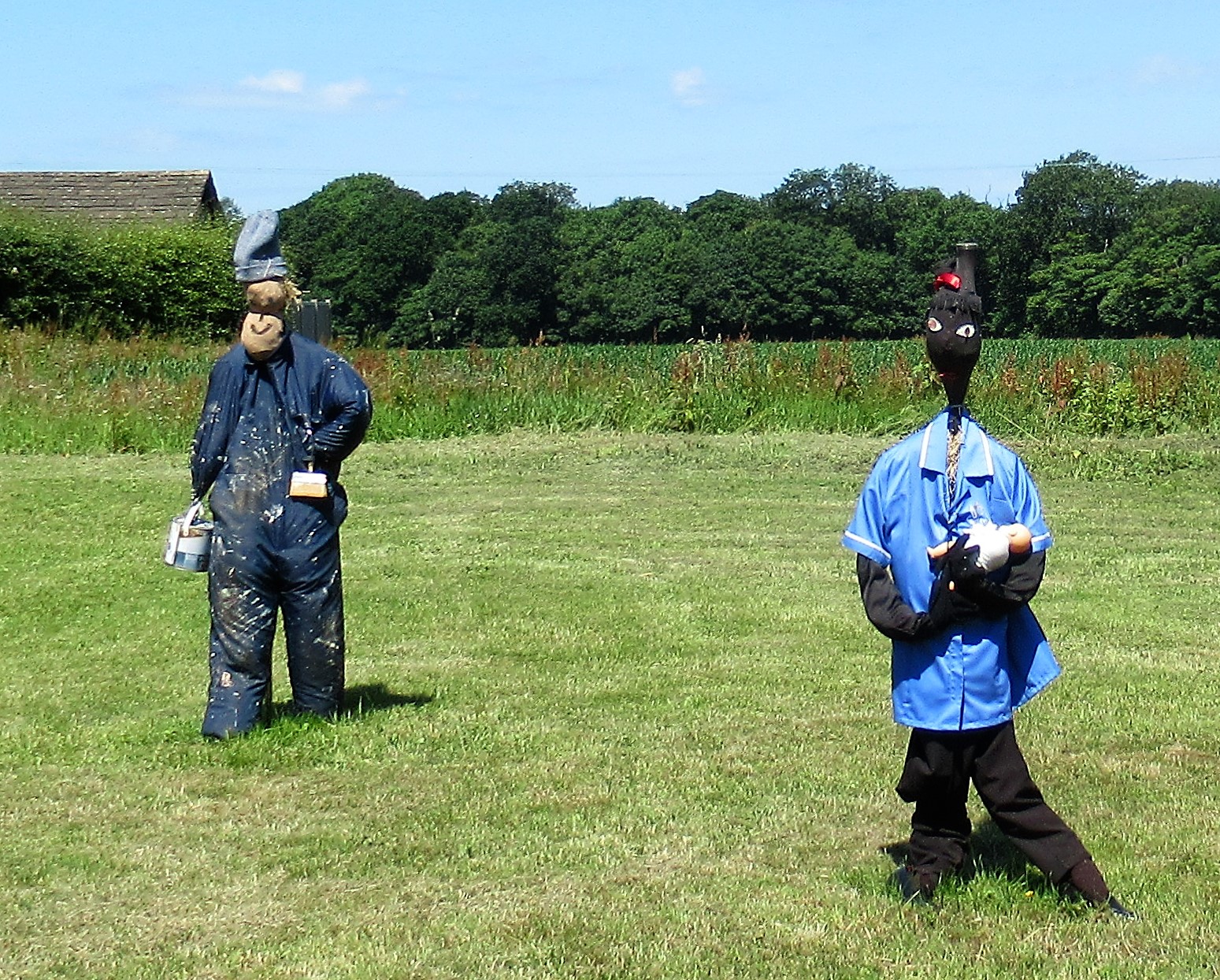
More workers, midwife (?) and a decorator

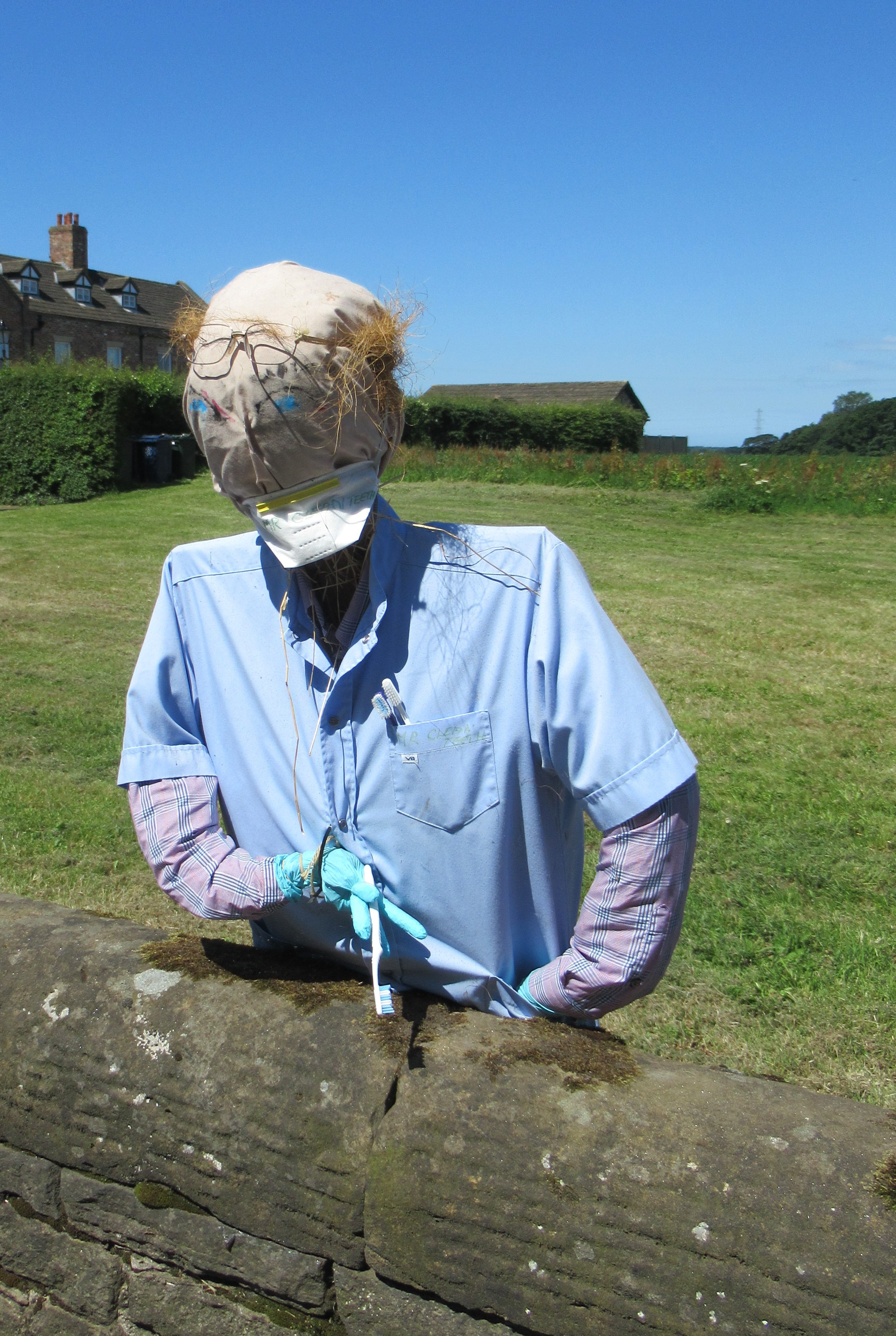
Mr Clean Teeth is quite the scariest dentist I have ever seen

Sigh. This couple really have their work cut out

A very bright day in the farmyard

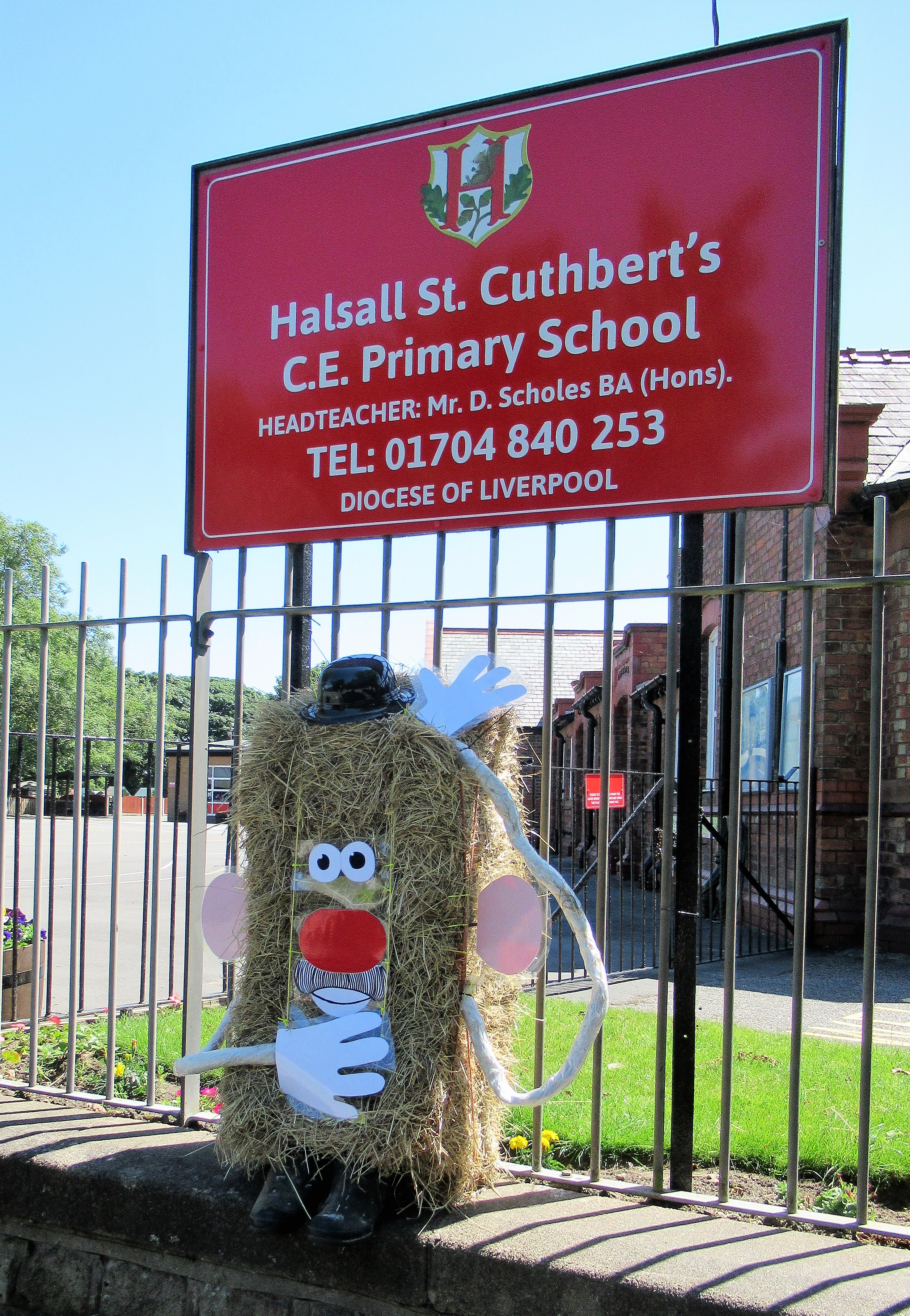
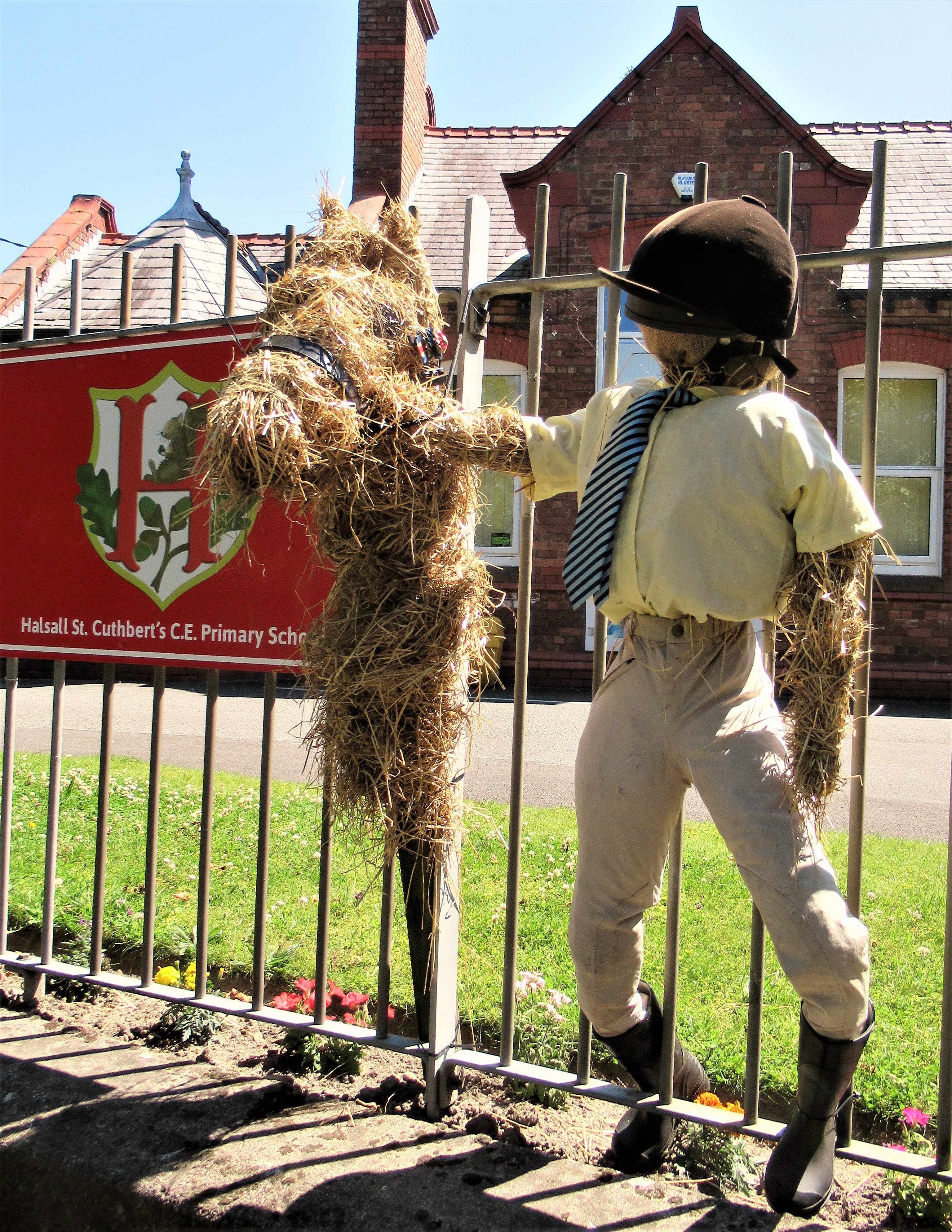
A selection from the fence outside the school – starting with? I want this to be Weetabix but…

My little pony 😉
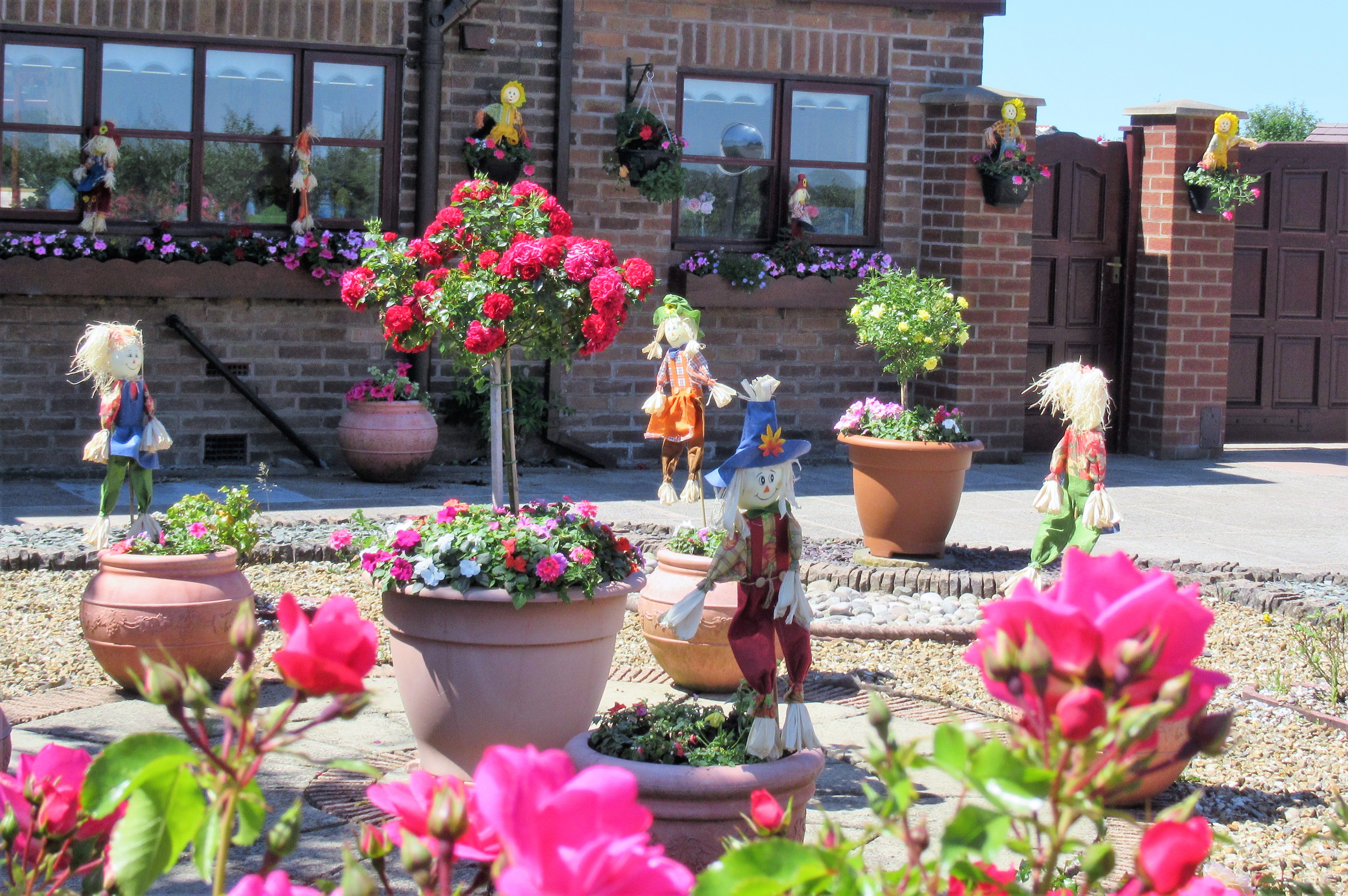
The lollipop man – always a cheery sight (and lollipop women of course)

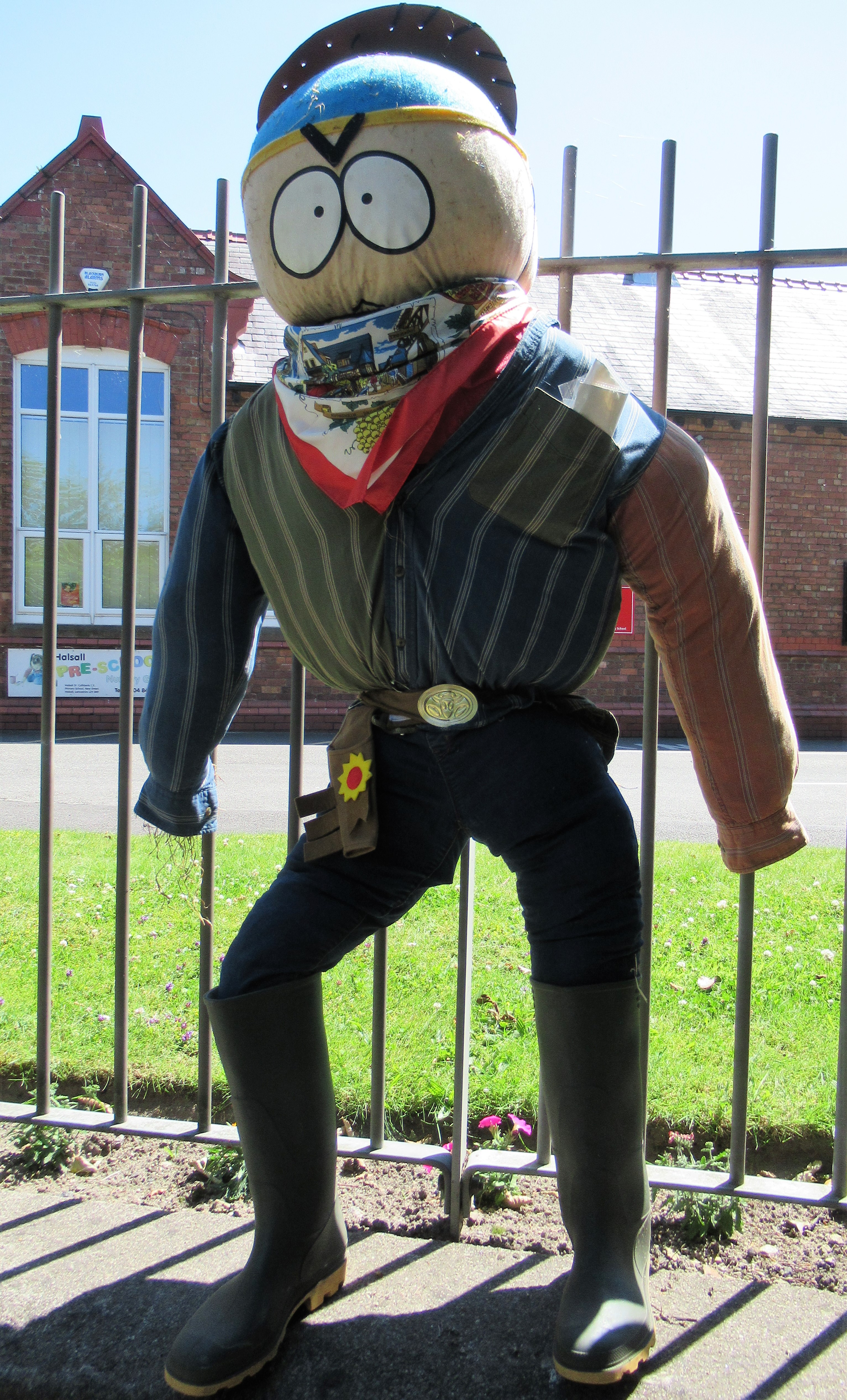
Howdy, cowboy

Minion?

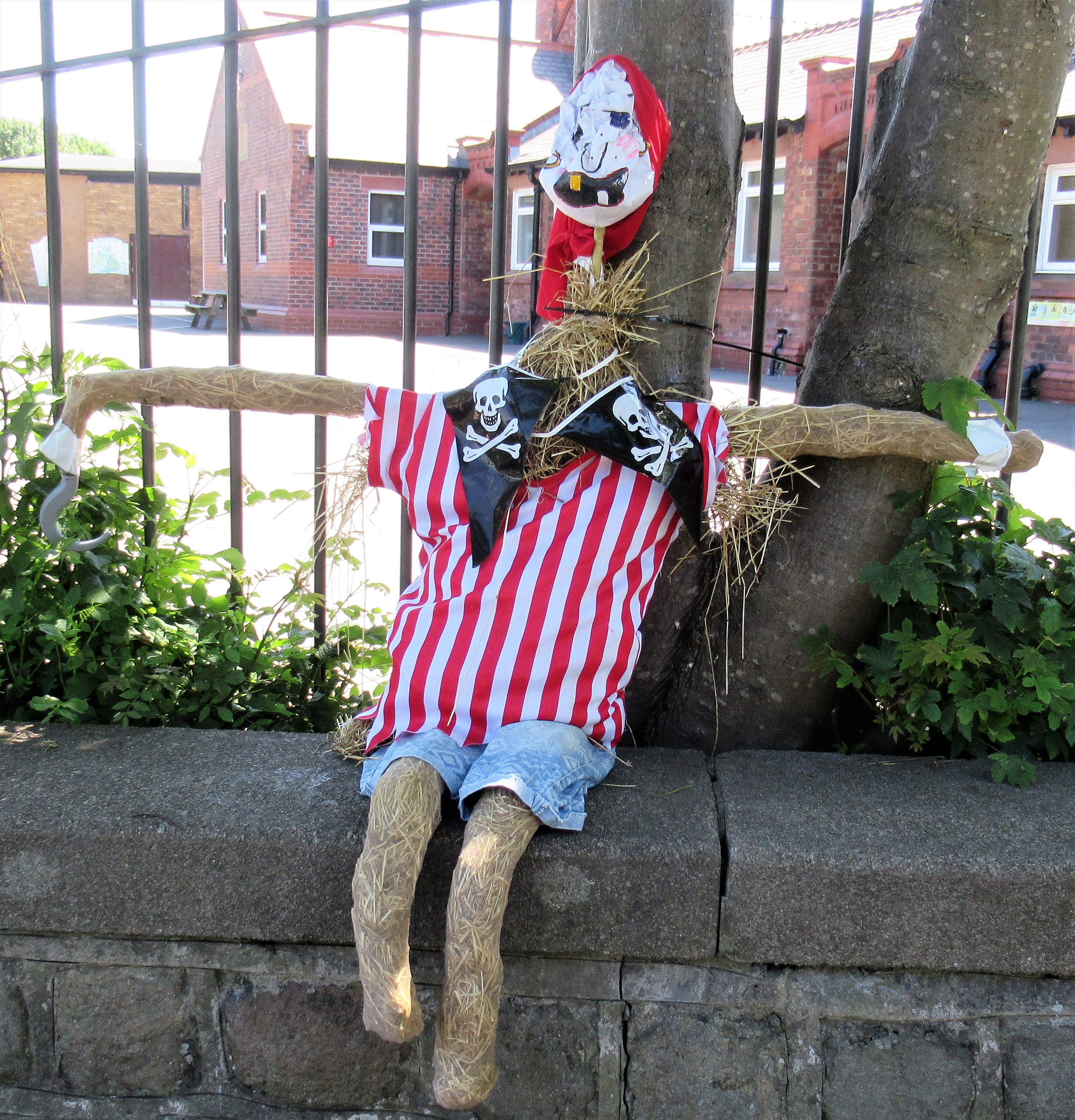
Pirate with sadly deflated head… but nice right hook

Did you know Spiderman can bilocate?

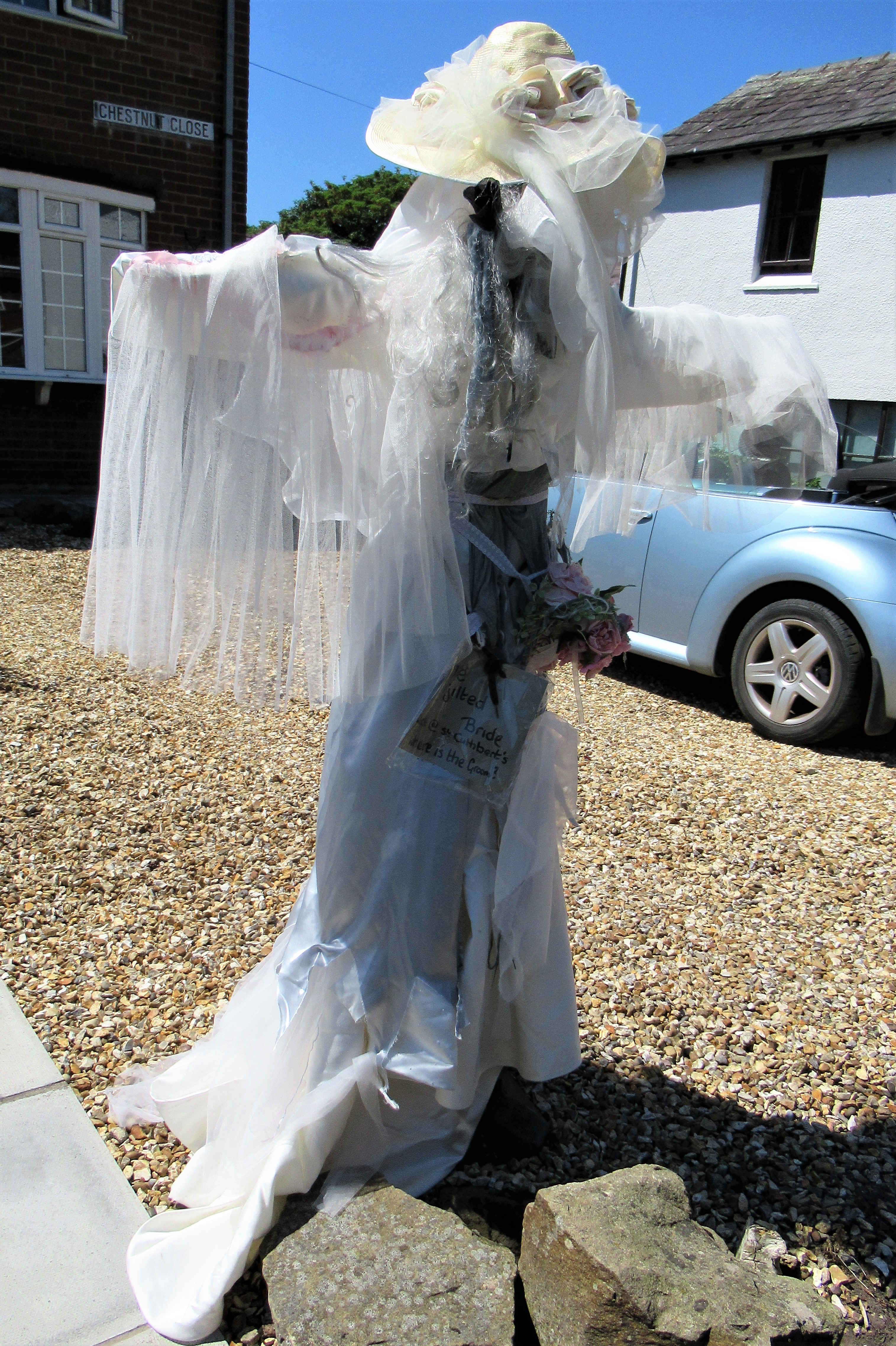
The jilted bride

A scarecar speed camera and a sneaky speed trap, scarecrow style

Nice advertising!

He hasn’t got a brain. And you can tell 😉

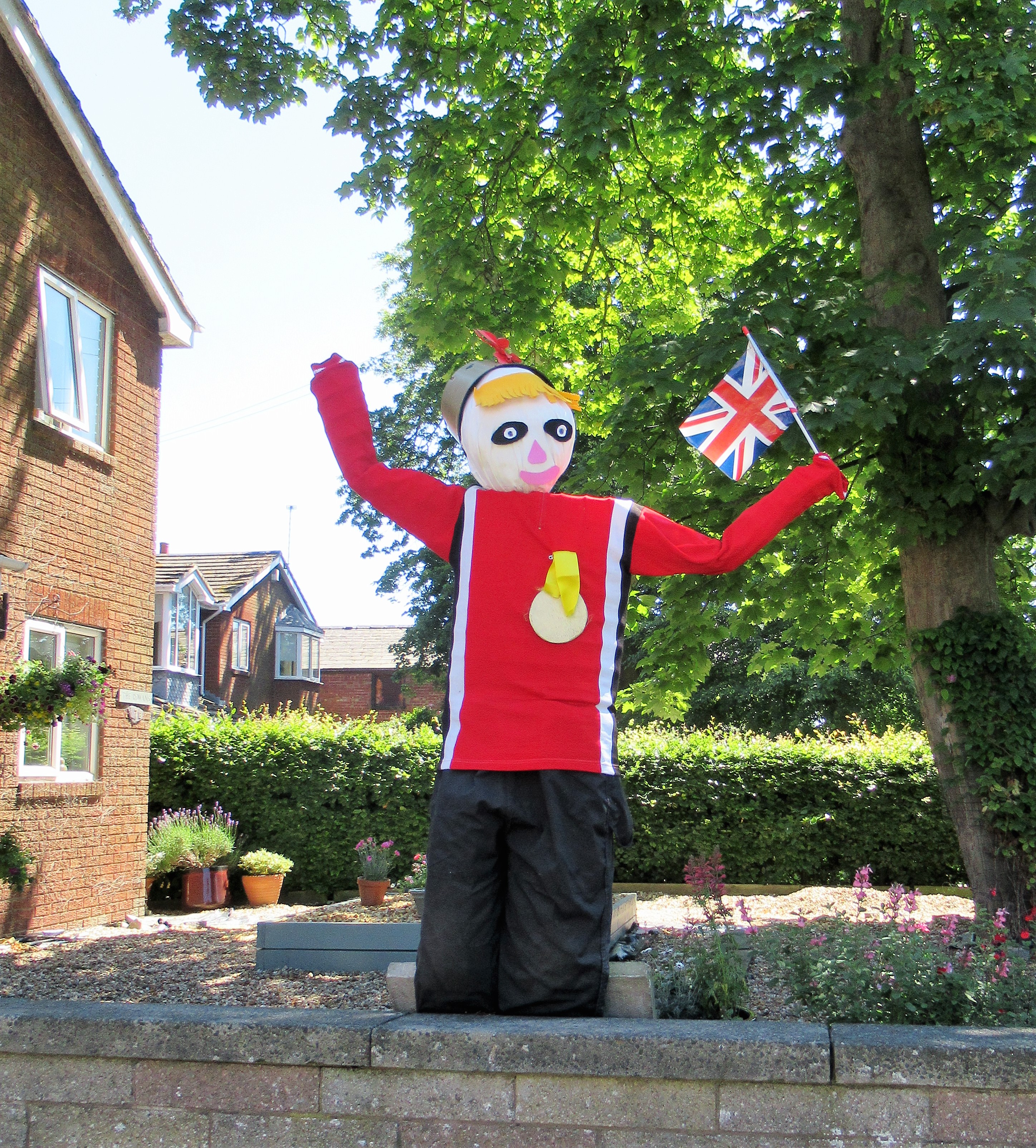
And finally, I nearly forgot, the one you have been waiting for all this time,  the Big Friendly Giant.

Yes, really 😉

Posted in Art, jaunts & going out, Britain now & then, Lancashire & the golf coast | Tagged , , , , , , , , , , | 19 Comments

Olde England, carrying on

It wasn’t a dawn chorus, it was a cacophony. And it went on, and on, and on.

Barney

The lambs joined in.

Then the donkey.

Then we heard the clippety-clop.

Clutching my camera, I leaned through the tiny window, in the thick stone wall, of the old farmhouse that’s now an inn. An unusual inn…

‘Good morning,’ I called.

‘Good morning to you,’ replied the passing stranger, ‘how are you?’

‘Fine,’ I replied, ‘how are you?’

’I’m very fine,’ he responded with the biggest, sunniest smile you’ve ever seen, ‘I’m on holiday.’

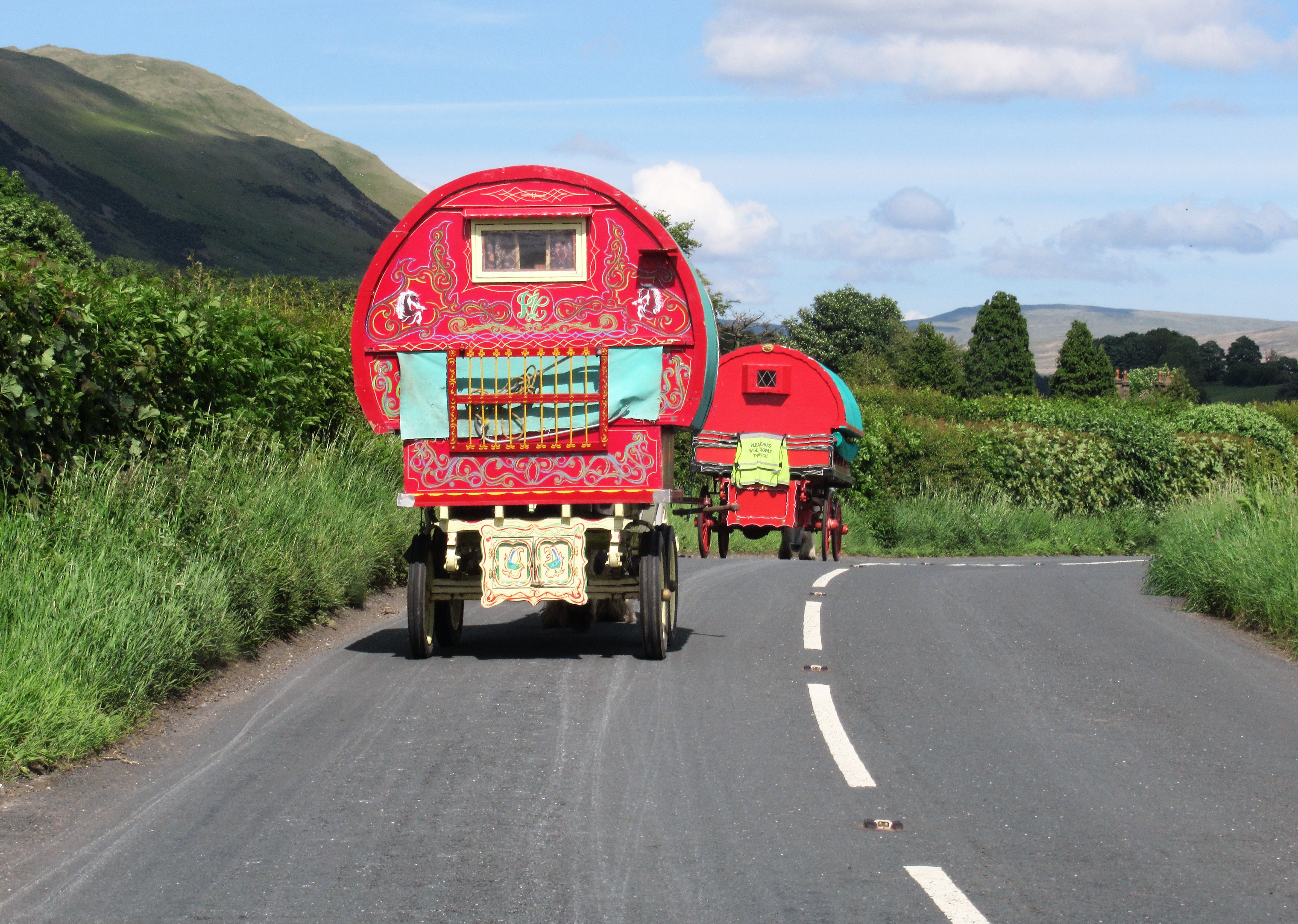
A flat cap on his head, greying moustache on his upper lip. A spring in his step and a twinkle in his eyes, the gypsy was walking beside a horse pulling an old-fashioned, brightly-decorated gypsy caravan. Looking barely big enough for a man his size.

But I doubt he lives in it year round. For this is a special time of year. When gypsies head to Appleby-in-Westmorland. For the Horse Fair.

He did smile a big beaming smile right after I took this, honest!

The day before we’d passed one or two caravans, seen several settled for the night on verges, their handsome, tethered horses munching lush, unmown grass.

We’d spent the night in Lancashire. The witching part.

On the way I took the prof for ‘my’ walk at Wycoller.

In just three weeks change was visible everywhere. Trees still putting out leaves were  dressed in creamy blossom, whinberries all gone and lambs well past gambolling.

Last visit in the sunshine

Spot the difference (no, not just the weather)

As a light rain fell we drove on – to what was meant to be a treat. A ‘boutique’ style pub near the foot of Pendle Hill.

Thank goodness I didn’t book two nights.

The hamlet of Barley itself was a gem. A walk we took (while our noisy room and bathroom minus mirror was readied) was pretty with gleaming buttercups, a chuckling river, stone cottages and an old mill chimney.

The hamlet’s other pub, the Pendle Inn, was where we should have stayed. Full of locals reading papers and supping pints. Dogs curled patiently at feet.

No thin boutique veneer, just homespun comfort. And not £2 for half a pint of beer…

Breakfasted, bill reluctantly paid, we decided against climbing Pendle (500 metres) on such a sunny morning.

That’s Pendle in the background

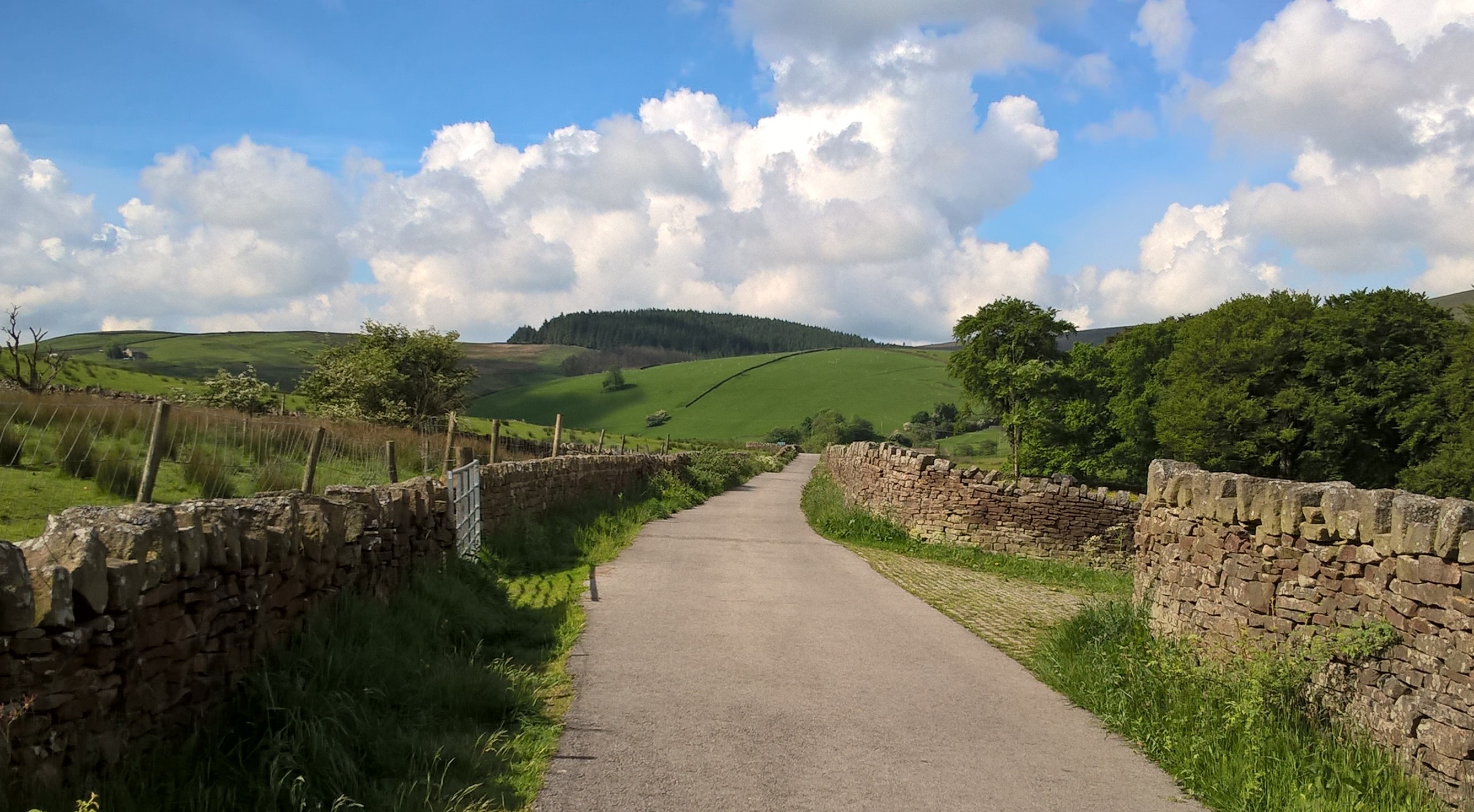
Instead we took a road unsuited to motor vehicles. Upwards, past two reservoirs. Through scented woods to a promised – and impressive – sculpture trail.

Not far into the walk, looking back down a long-ish but gentle hill… so far

I haven’t altered this image – it really was that brightly green

Tree repurposed

Trees, also repurposed

Trees and a dry stone wall my favourite of the sculptures

A reminder of the ‘witches’ who lived hereabouts

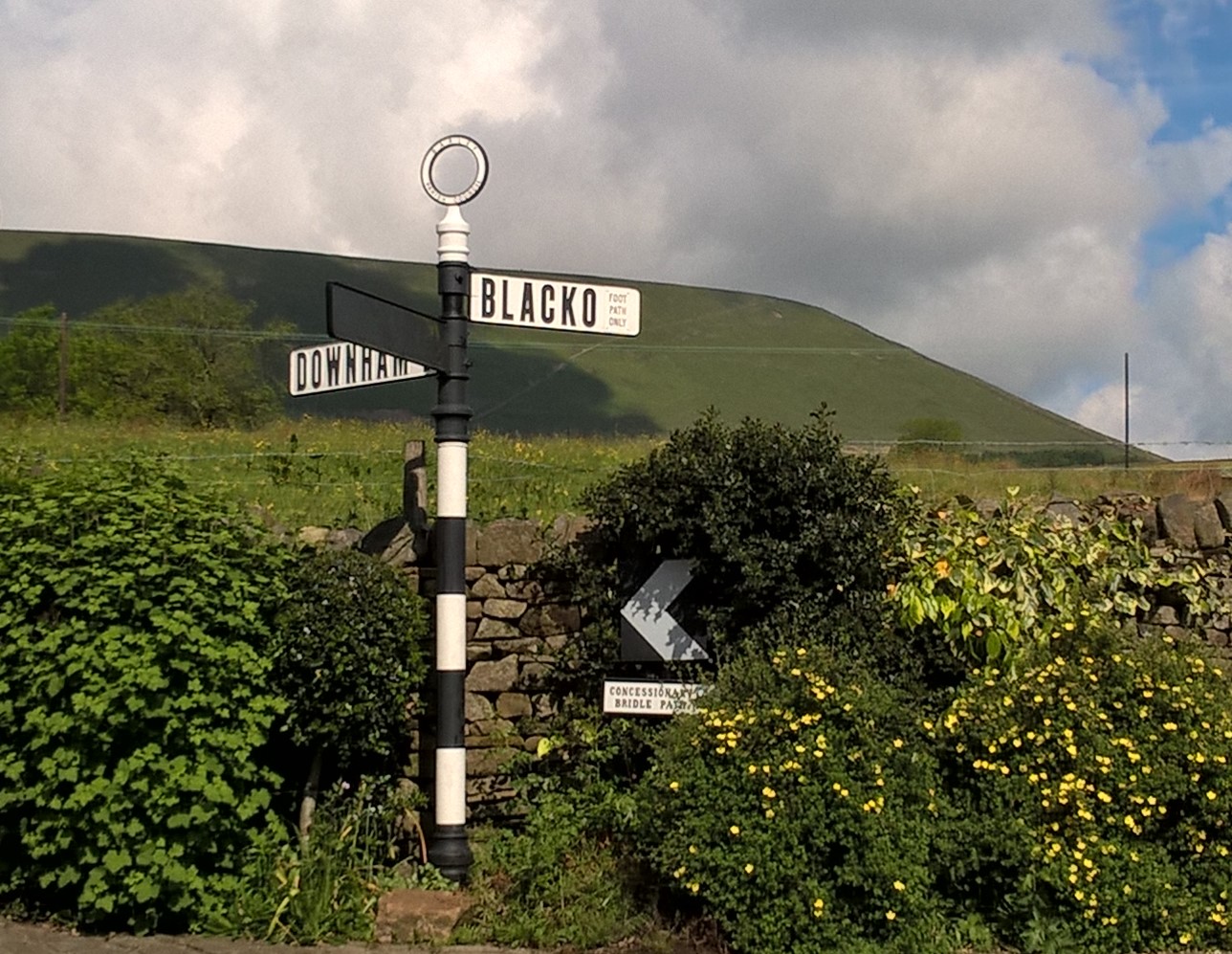
Beyond the trees, the summit was broad and high.  To one side Pendle loomed, its mood constantly changing as the clouds sped by.

To another, distant ‘civilisation’.  And a total surprise.

Something I’ve never seen. Hard to capture with a camera’s little eye.

Vast expanses of bobbing white heads – cotton grass, stretching to the horizon.

Like a fairy kingdom we’d trespassed upon.

But earthly time moved us on.

Another treat lay in store, in a county not far away.

First, though, Barrowford. Pendle Heritage Centre. And lunch.

An old house, knot garden, café. And a museum worth more time than we gave it.

The story of the sad Lancashire witches – and a find. My family name on an old map of Lancashire Catholic recusants, created for persecution purposes.

Pendle Heritage Centre, Barrowford, originally home to the Bannister family as in Roger Bannister the runner. We ate lunch looking out over this herb garden buzzing with bees

A 16th C cruck barn taken down, moved, reassembled and incorporated into 20th C stone building

Back on the road, we began to see gypsies.

A rare treat of a spectacle.

On we travelled, through Lancashire to West Yorkshire, to North Yorkshire, to Lancashire, then West Yorkshire.

The strangeness of human-drawn boundaries.

And at last, reaching our destination, we sat, awestruck. Sipping tea and eating cake. Gawping at the natural melodrama playing before us.

View from the back of the inn

Down the gash in the distant hills a waterfall fell. Our genial, round-ish host, a Quaker man of cheery countenance and country clothing, asked if we planned to walk.

‘I predicted rain today,’ he said. ‘half past five, I reckon,’

The woman of the house, our chef for the evening, came in search of the cat.

‘Come on,’ she grasped it firmly, ‘you’ve work to do, I think we’ve a mouse in the kitchen.’

(Their hygiene rating is 5 out of 5.)

At half past four we decided to risk it.

Crossed a bridge over a gentle river.

Passed grazing sheep and lambs. Tromped rocky paths.

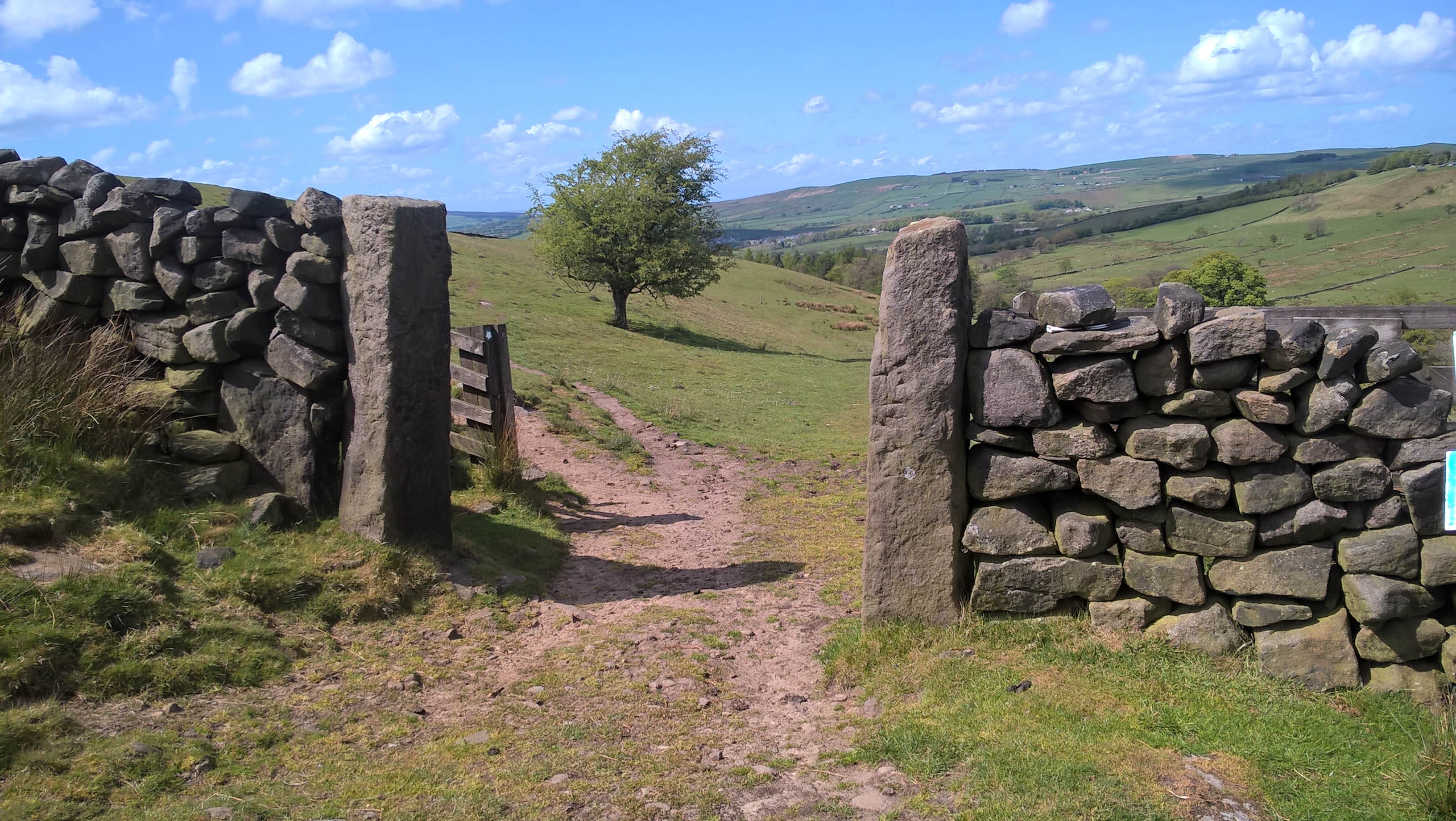
A promised Iron Age site proved hard to fathom. There’d been a pathway to the – possibly ritual – waterfall. Were the rocks either side of the path a gateway?

Looking forward to the darkness…

… looking back, to the light

Passing through the gatekeeper stones, the wind began to pick up.

Grey clouds swept in. We pressed on through a light scattering of raindrops.

Looking back on stupendous views, changing with the passing cloud, we felt as if we were alone in all creation.

But the old Norse gods weren’t welcoming.

More than once a forceful wind pushed me backwards.

As soon as we turned for home, the wind dropped and the sun appeared.

But the most stunning thing of all about this walk was, that all this land, this magnificence, is ours.

We don’t own it. But there are no walls, no hedges, no fences. It was never enclosed.

This land is common land.

Back at the inn we were ready for a hearty meal – and we dined well on game pie, local lamb and rhubarb crumble.

Drank wine we’d brought to the inn (that’s a clue).

Chatted awhile in the parlour with the other guests.

Retired to a crisp-white-sheets and blanket, snowy-bedspread bed, tired and happy.

An old armchair stood in the corner and a wooden towel rack.

No television.

Nothing boutique. Just clean, cosy, homely. And perfect.

Until morning and the birds…

A pretty pair of horses, passing as we were about to leave, on their way to the fair

About to leave, as we chatted to our chef about her hidden gem of an inn, she said:

‘People come here and  say, ”I’ll tell all my friends about this,” and I say, oh, please don’t.’

‘You’re not a filthy capitalist then,’ I said and she burst out laughing.

Our Quaker host joined us – and that’s when I learned how enclosure had passed this area by.

And that there’d been another terrorist attack, this time in London.

We’d stepped back in time – yet we hadn’t.

Full of joy, subdued by sadness, mazed with nature’s grandeur, we were ready for home.

In England. Olde England.

Where nature, despite everything – and often far from calm – carries on.


Posted in Art, jaunts & going out, Britain now & then, Lancashire & the golf coast, Yorkshire | Tagged , , , , , , , , , , | 40 Comments

Dylan, dogs and the Devil

The gale force wind had calmed a little, though the evidence remained. Everywhere the verges were strewn with debris, as if an automotive bridal procession had just passed by, the bridesmaids strewing branches.

Late, as usual, stress kept me company as I wound my way through the backstreets of Oldham. Ms Satnav had been accurate – up to a point. That point, unfortunately, not being the one at which I wanted to arrive.

But a crackly phone call later and here I was.

A man with a beard waved from across the road as I arrived, but before we could greet each other an evidently Muslim man with a great big smile on his face stopped – and the two men hugged.

Next in line for a cheery exchange of greetings was a man in a pale grey track suit.

I began to wonder, did I need local membership?

No, seriously, I was already warming to my subject – he knew everyone! But then, Oldham’s an old northern industrial town so that’s only to be expected.

The next challengers to my arrival were two dogs, low level hairy creatures that even to a non-doggy person were cute as a baby panda.

Possibly cuter.

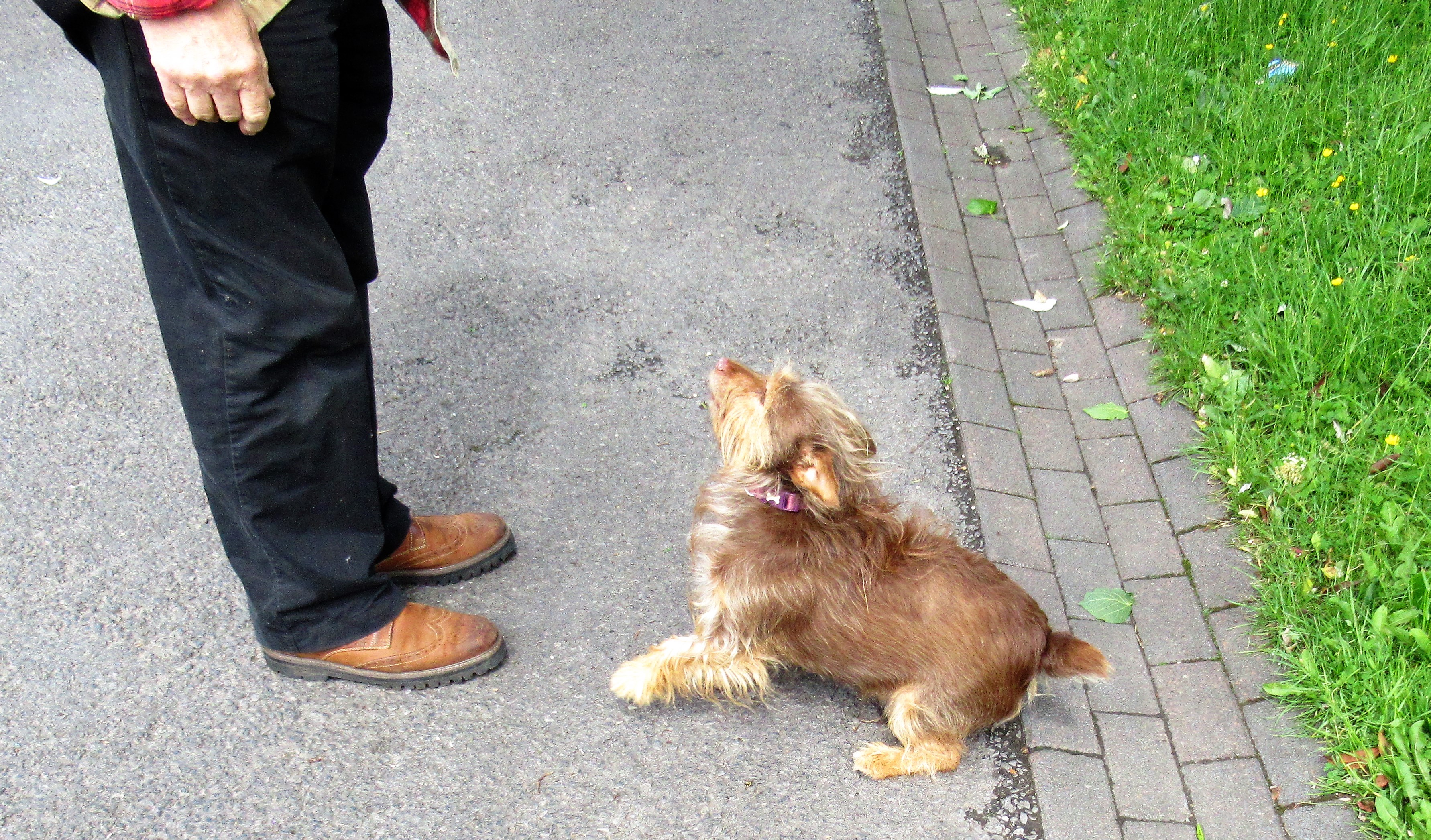
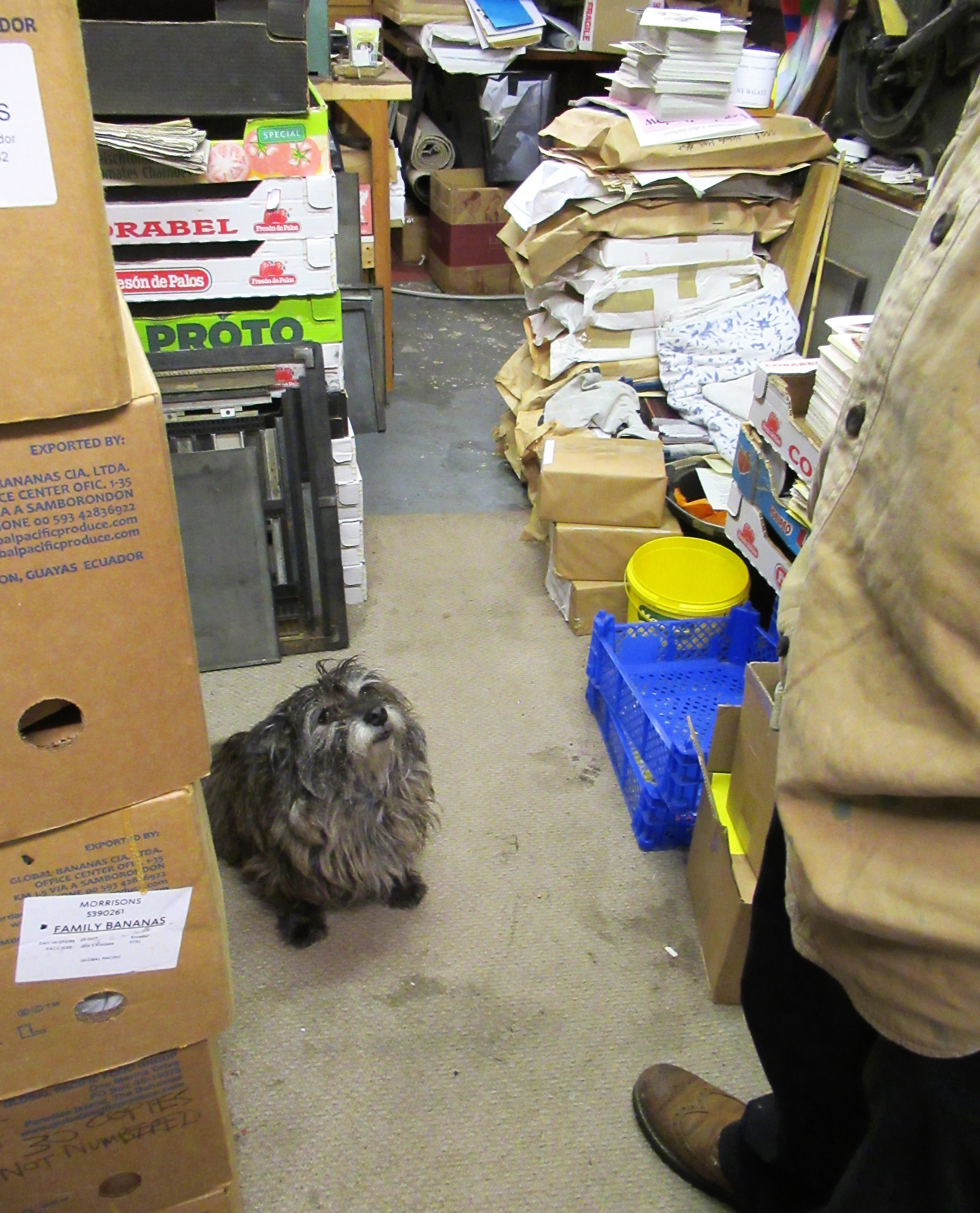
I think Red likes Graham

I think Skipper likes Graham too!

Skipper, was the more inquisitive. Red, a little reluctant, retired upstairs.

They were rescue dogs.

Even their names were rescues.

Graham, my host, didn’t fancy yelling ‘Fred’ on the street. Nor Kipper. But the new names had to sound the same, still, for the dogs. Just one letter each made all the difference, as you’d expect a publisher to understand.

Stepping into a ‘space’ that barely deserved the name, it was obvious this was a place of many treasures.

Of passion well spent.

Of ‘where-did-I-put-it’ winning out over ‘everything-in-its-right-place’.

This was the home of a small Press – and I’d invited myself to visit.

And more prosaically: http://www.inclinepress.com/

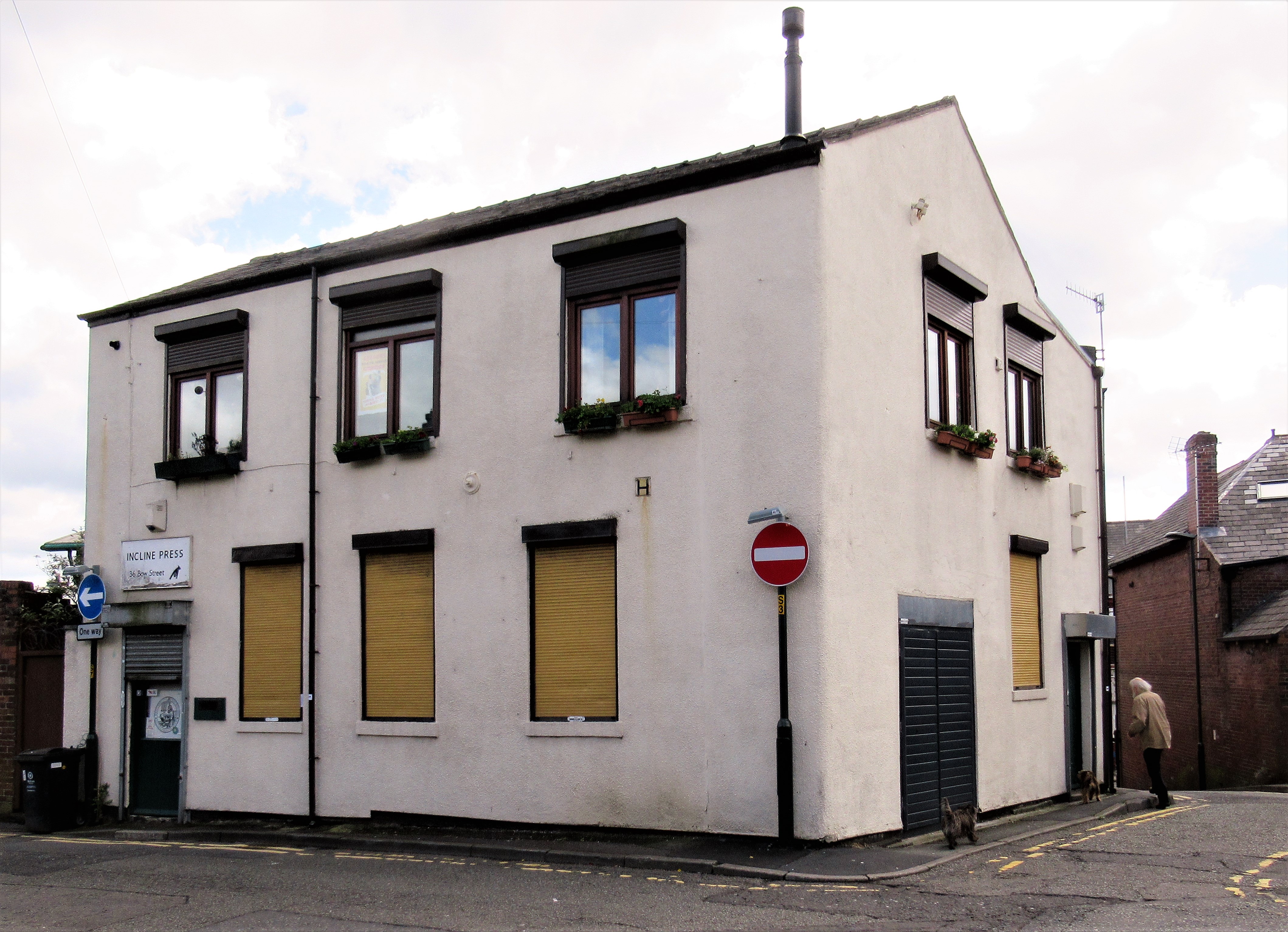
Its name came from its original address on Incline Street, but though now on Bow Street, it still inclines over an incline.

Graham leads elusive Red and frisky Skipper back in from a breath of fresh air.

The nineteenth century building, once a small cotton mill, is ‘fireproof’.

No wood was used in its construction, rather brick, stone, rubble and metal – which won’t catch fire.

And now it’s full of paper.

Which probably would.

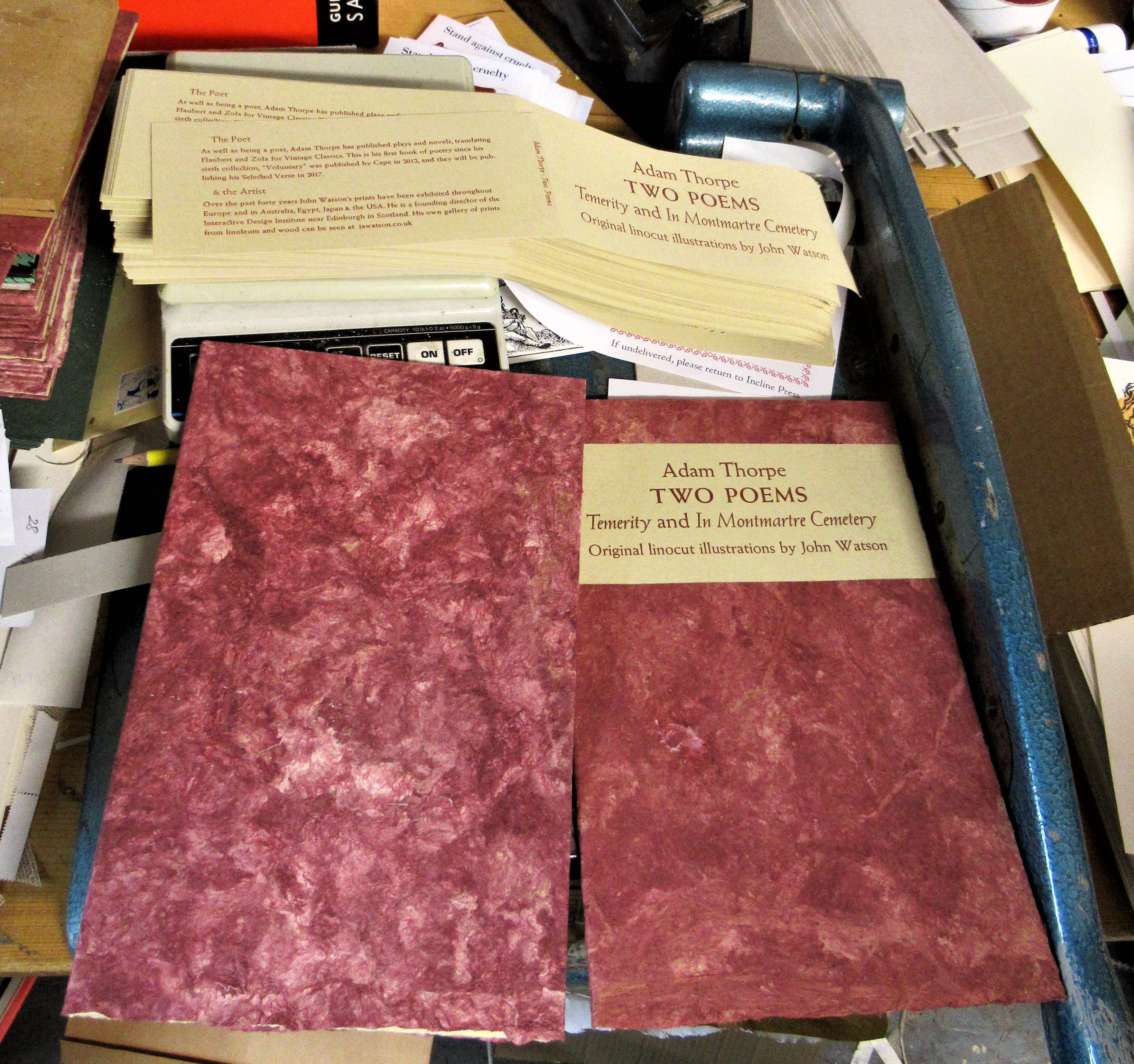
The paper’s the kind that makes you want to stroke it – especially the Amate, from South America, made of bark.

The cover of this work in progress is made of the rare and beautiful Amate paper

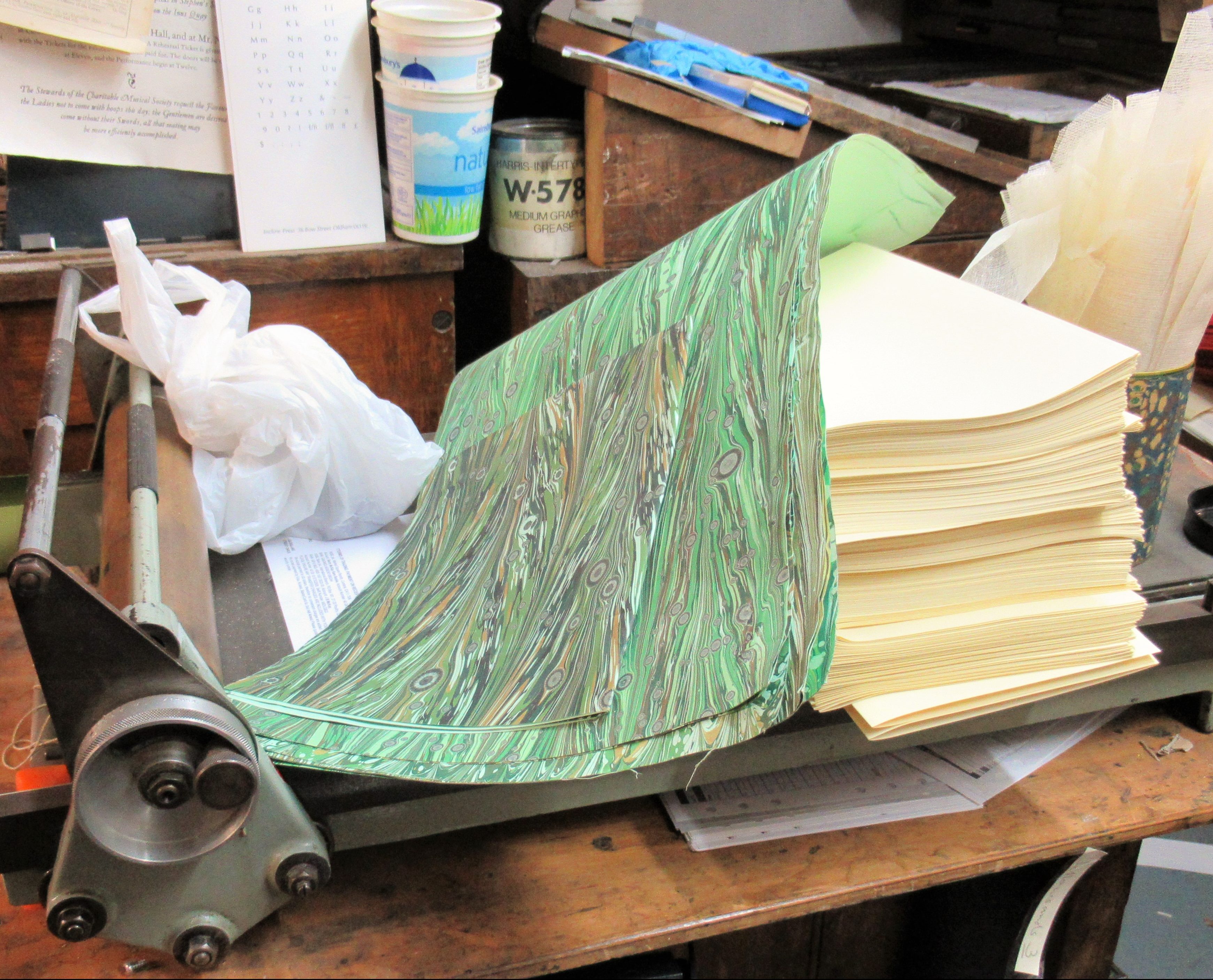
And the marbled kind. Silken to the touch, rich to the eye.

I can see this making beautiful end papers

Music was in the air, Dylan warning us, too late, a Hard Rain’s a Gonna Fall. That was the night before. But then, this is the North of England, so he’ll probably be right again soon.

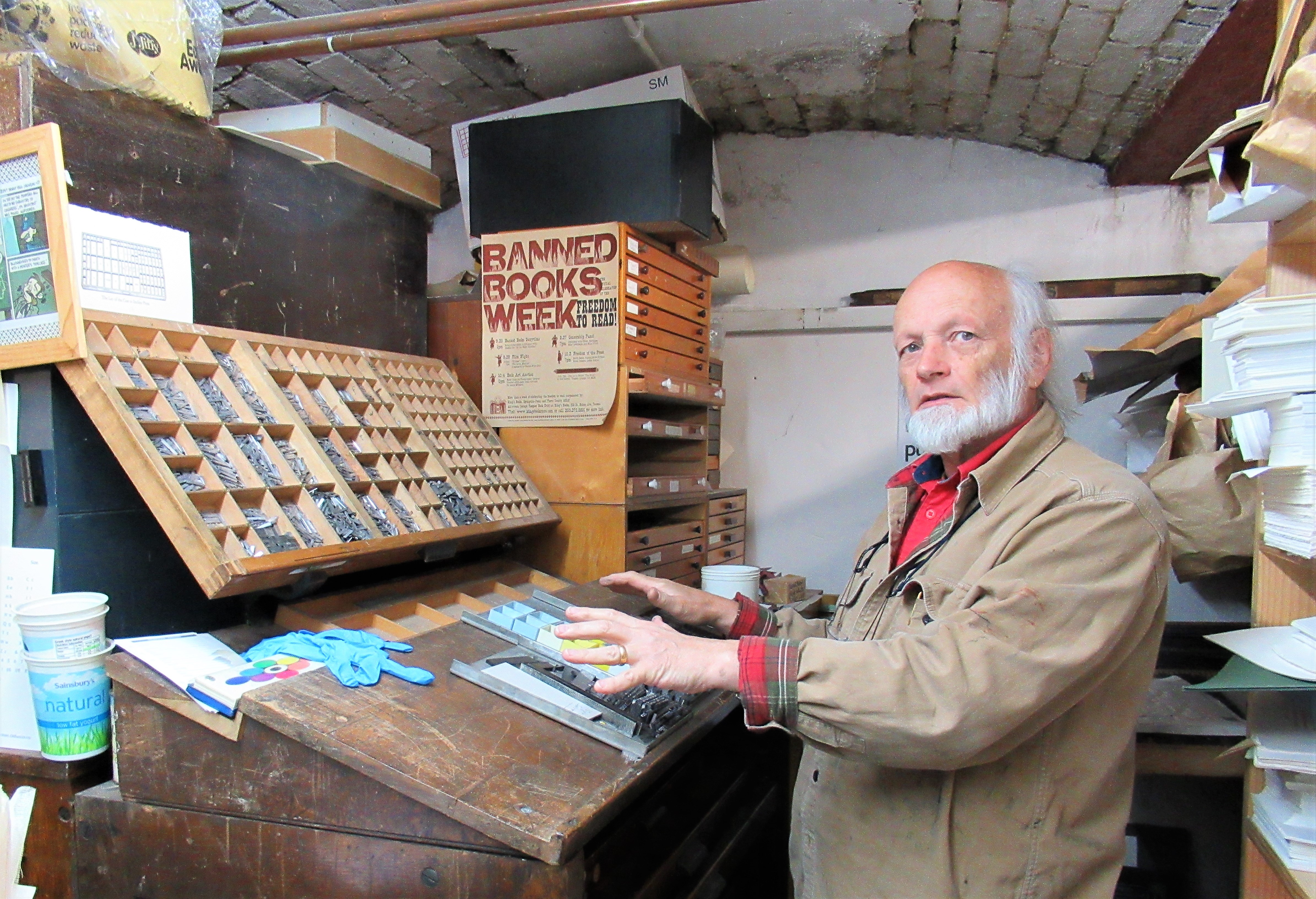
Graham Moss, who runs this gem of an enterprise, is a human repository of useful and arcane knowledge about the craft of printing. About the art (as a determined craftsman, he probably won’t like that) of publishing.

It was among those jewels of arcane knowledge that I encountered the Devil.

Early in its genesis, industrial printing drew odium from many quarters.

Words printed by metal, impressed upon paper, were forgeries. Real words were made of handwritten letters, using pens held in monkish hands in scriptoria.

What with the forgeries and the spreading of the vernacular Word to common folk, it was a bad time for scribes.

And then there was the blackness of the ink, which inevitably transferred itself to the skin of the lowest link in the production chain. The poor young lad who swept the floor and fetched the beer and pies.

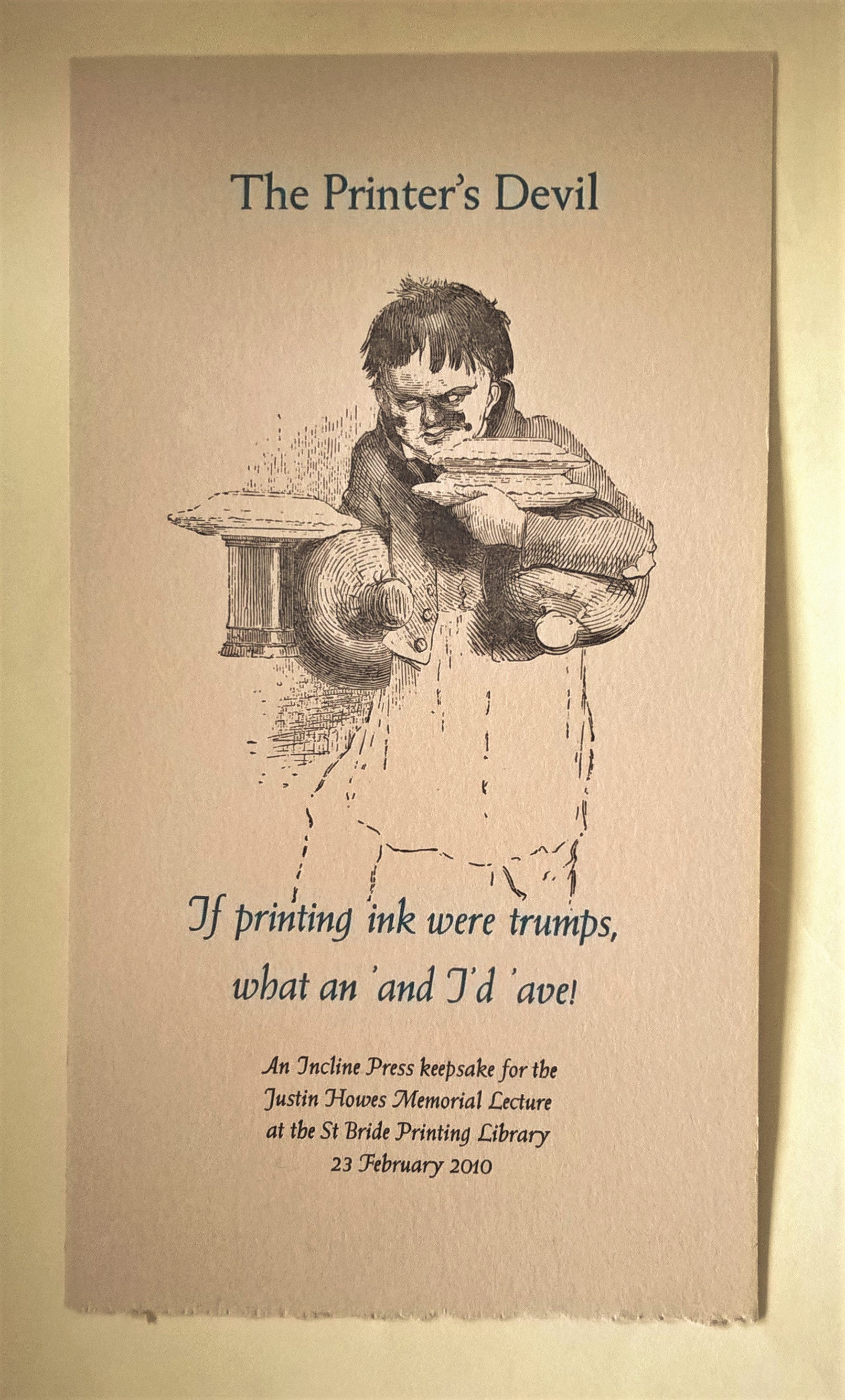
He might, if he was lucky, work his way up to apprentice. Until then, though, he was shunned as the Printer’s Devil.

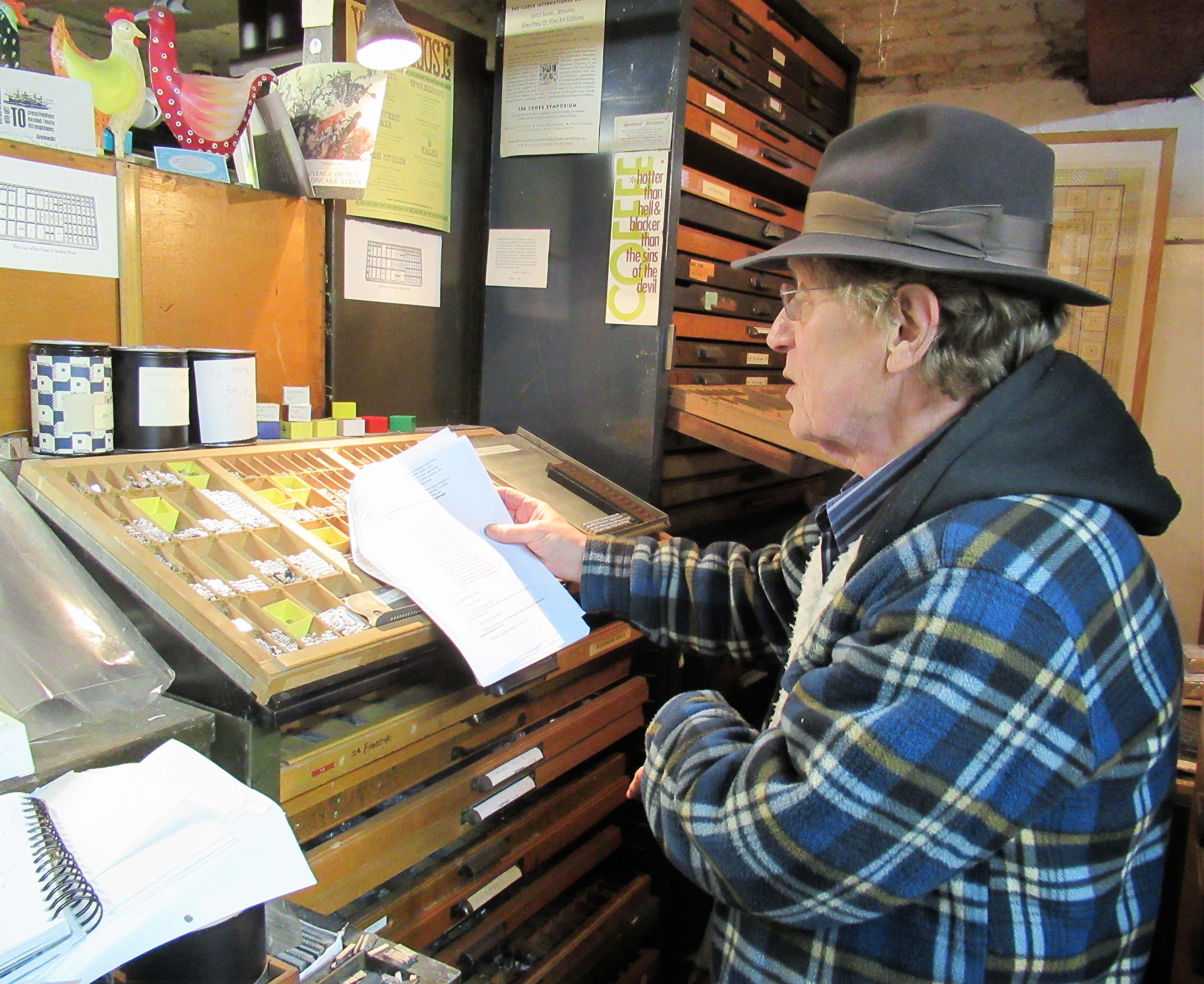
Mike, Graham’s typesetting colleague, claims to be a latter day version. But he looked pretty clean to me. (I suspect he’s really an apprentice but is wary of having ideas above his station.)

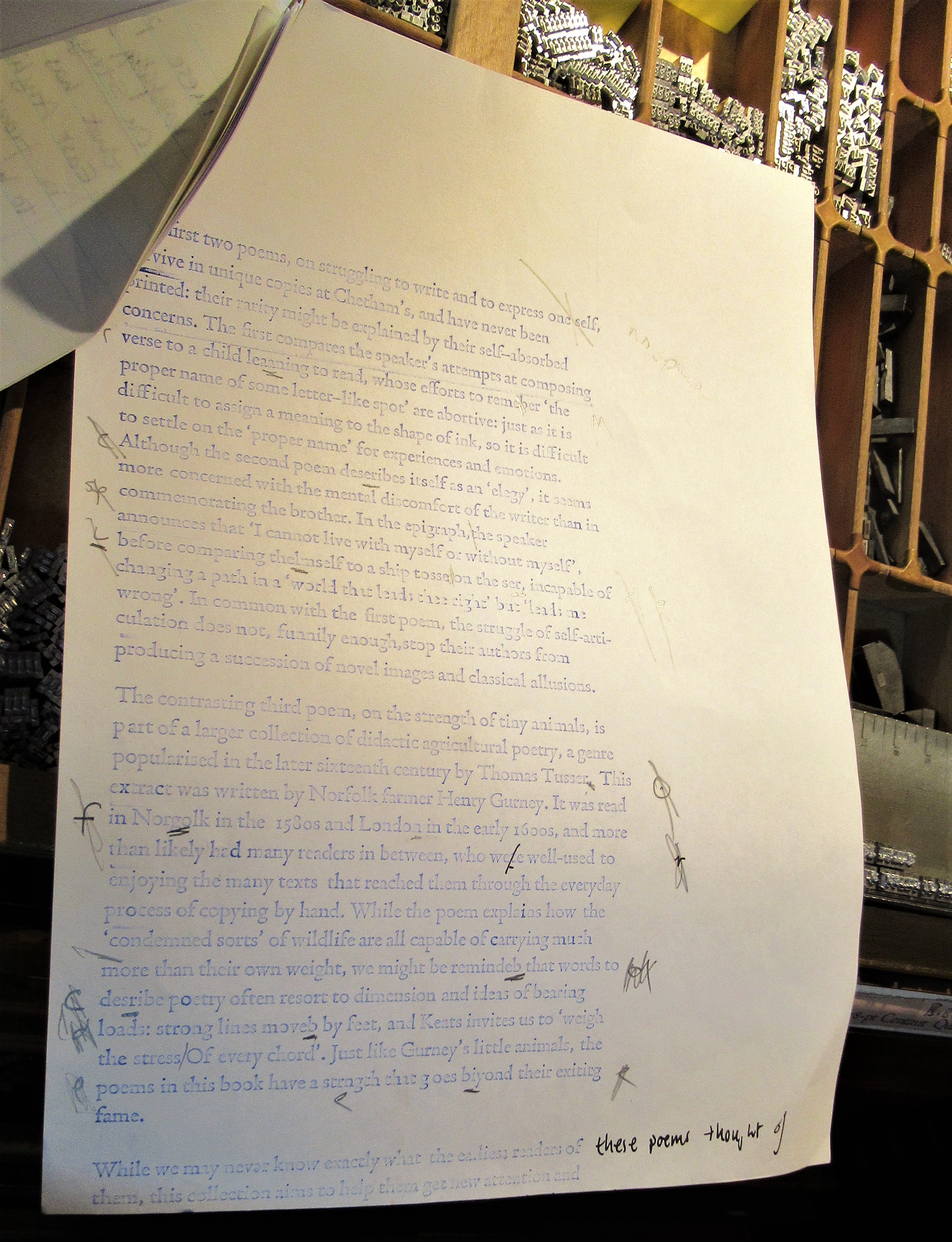
Mike at work on a first proof – where the type is laid out a in a tray and given one press to make sure it’s correct. It’s not quite there yet, see the next picture

Now this is the first proof marked up. Rather Mike than me.

Graham is showing me why we have the terms ‘upper case’ and ‘lower case’ – the capital letters were originally in the case above the desk, the rest below. Now the cases house both upper and lower … cases

A font. No, a design of type is not a font. Font is a collection of type, a standard font weighs 7lb, There you go, pub quiz sorted

The selection and commissioning of the works – books, pamphlets, ephemera – is Graham’s domain.

He needs, I think I detected, to feel inspired in order to start on this long, exacting process of setting, printing, binding and publishing by hand.

Sometimes it’s a long forgotten or never published work that the two men bring to the modern world. Sometimes it’s a new commission, on a theme that has lit Graham’s flame of enthusiasm and intrigued him.

Poetry figures large on the list.

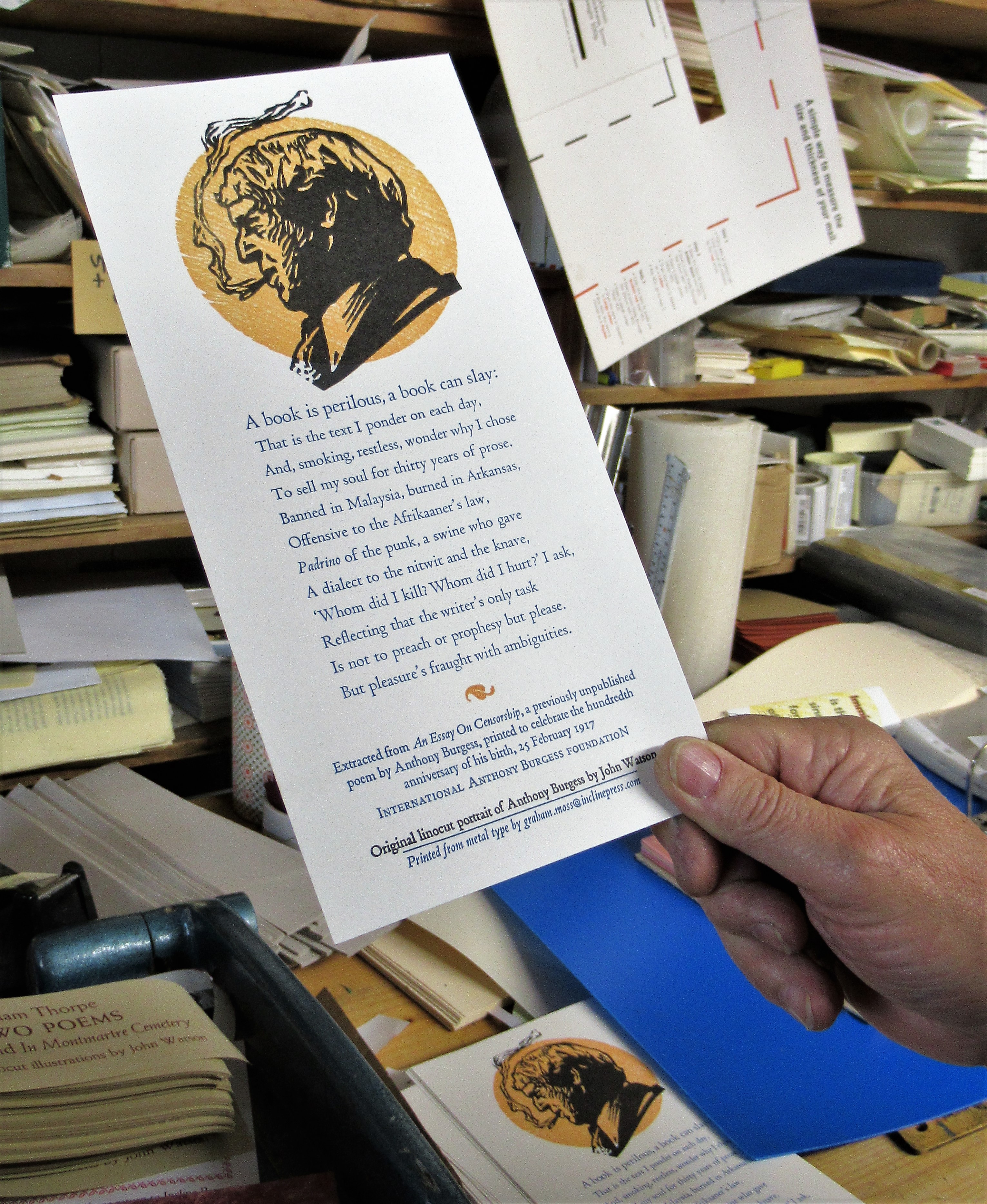
Lines from an unpublished poem ‘An Essay On Censorship’ by Anthony Burgess, portrait by John Watson

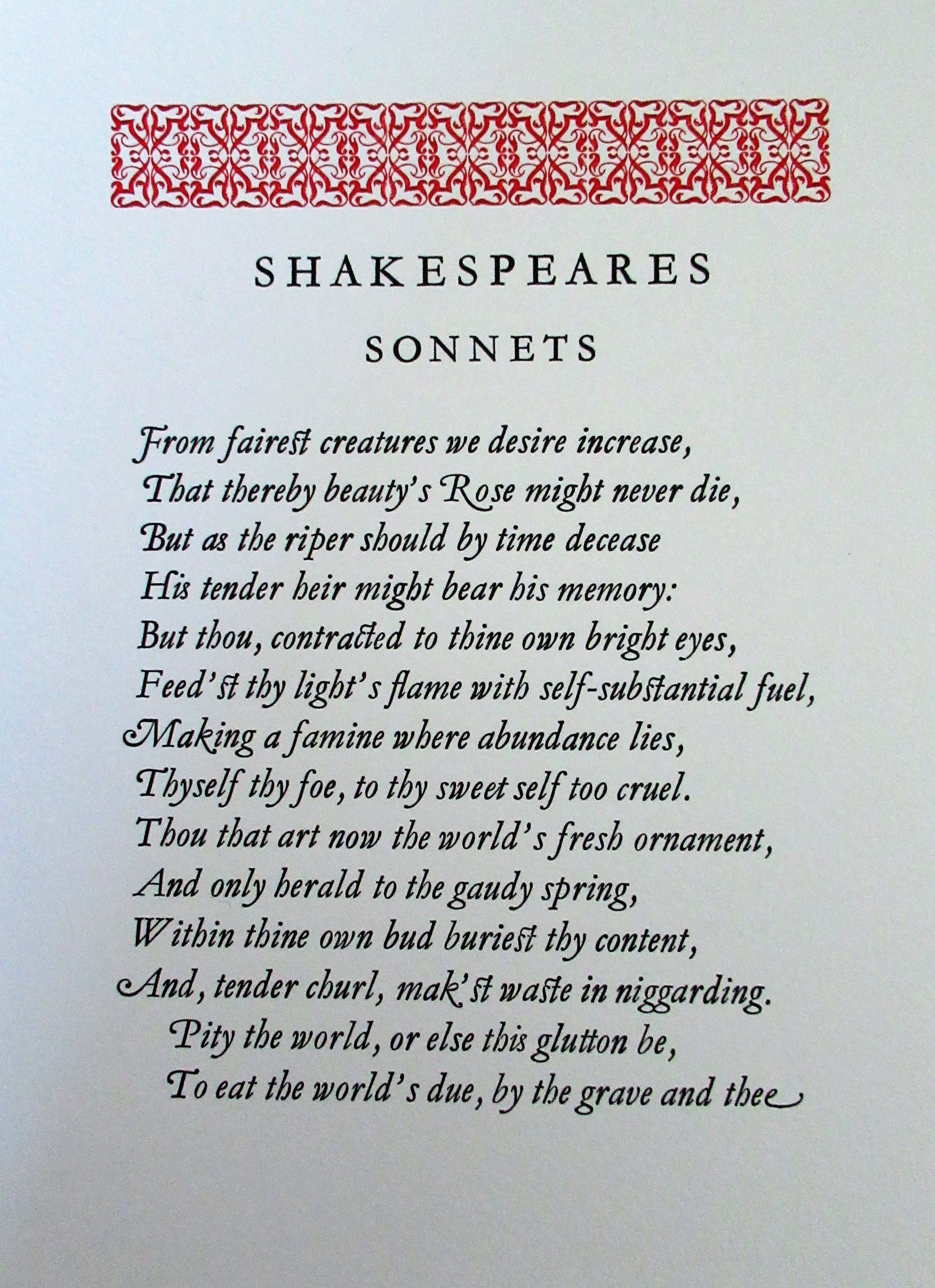
Look closely and you will see that some letters are actually just one piece of type – like the ‘st’ in Feed’st – and that some of the capital letters are different forms of the same letter. A term applied to the sweeping tail of the R in rose is, I believe, swash. This was submitted by Kathy Whalen at Incline for the Bodleian Library on the 400th anniversary of the first printing of this opening and thus unnumbered sonnet

‘Always work to a design, not a budget,’ said Graham – and it applies to every detail.

Politics creeps in.

Printed for the Women’s March in January, the Manchester one


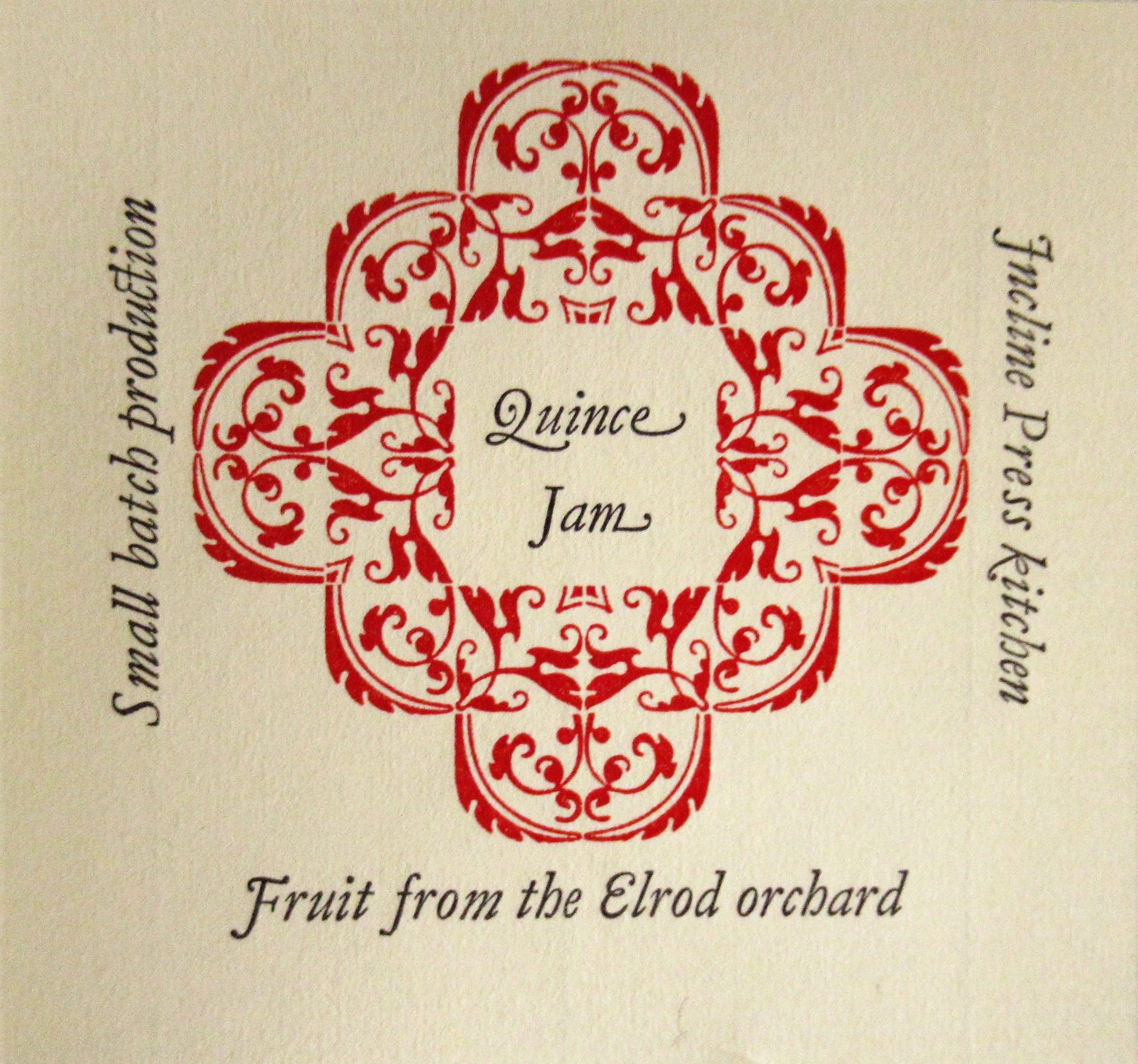
And even jam.

The printing process itself almost feel like an irritating necessity, only done to make these labours of love visible to the world.

Bought from the widow of a Welsh Methodist printer, this is operated by a treadle. It prints using a technique called ‘clam shell impression’

Originally imported by Eric Gill (he of Gill Sans, yes) this electrically driven printing press operates by ‘parallel impression’

I’m planning a more detailed post on my Maid in Britain site. So please visit there in a few days’ time if you’d like to know more details about the press’s work and see more pictures.

But now, it was time for the unwelcome journey home.

It was a day of some anxiety. The day before our General Election. Could I do anything, still, to make a difference?

As I drove back, eschewing the motorways this time, I realised what we lose as we travel on the highways and miss out the byways.

For I saw the transition of this part of the world as I drove.

Everywhere, I saw red brick.

Mills, their chimneys toppled or shortened. The old terraced houses of the workers. New terraced houses. And factories turned shopping complex.

Walls still standing, shielding active demolition.

Former pubs turned who-knows-what – or nothing. Functioning pubs, looking shabby. Forlorn mobility scooters tethered outside, waiting for their owners to take them home.

The palace of brick that once was Pendleton Industrial Cooperative Society.

Defunct police stations, casualties of austerity. Betting shops. The Job Centre.

And then, the remains of a dramatic accident. A car upside down. No choice but to observe, while my traffic lights stayed red.

But then I saw grass and trees. And the sun emerged.

And I saw this world is never still.

What once is rich can be poor. What once is poor can be rich.

And I hoped that one day, our politics might bring fairness and equality to our lives.

To all our lives. Everywhere.

Yeah, I know. They may say I’m a dreamer.

But I’m not the only one.


Posted in Art, jaunts & going out, Britain now & then | Tagged , , , , , , , , , , | 18 Comments

The Duke and I, on being human

Corporate grit. That’s how I think of the myriad little things that used to irritate me when I worked in corporate world.

One of those bits of grit was the term, ‘human resources’.  And in that I had an unlikely ally – the Duke of Edinburgh.

I was at an event for developing young Commonwealth leaders – as a mere observer – when he railed against this reduction of human beings to the status of nuts and bolts. Components in the great, grinding machines of industry and commerce.

I’m not sure he’d agree with most of my other views, but we are as one on that – humans are not mere ‘resources’.

It’s surely the simplest way to dehumanise humans, to deny them any agency or will. To regard them as mere tools. To ‘other’ them, to use a more recent piece of grit-speak.

Ask any dictator. The masses when homogenous are more easily controlled. An ocean of creatures, ebbing and flowing as one, lured by their great moon, their leader.

Kept in line by fear of a carefully cultivated ‘other’, a focus for aggression, grievances and hate. A stimulus to action.

In my last post I declared that the terrorist who bombed the Manchester Arena wasn’t human – and was rightly pulled up for my wishful inaccuracy.

Since then I’ve been thinking about what makes us human.

In the next few hundred words I can’t begin to reach a conclusion. Philosophers, scientists, anthropologists and  – yes – archaeologists, have written volumes on the subject.

But I’d still like to ponder that basic question: what is it, to be human?

What makes us different from other animals?

Or are we?

Wandering down the alleyways of our species and all its works is a complicated undertaking. No maps are adequate, no path ever seems to lead to a concrete destination.

And I warn you, this isn’t my usual style. It’s rambling, somewhat incoherent, long – and yet… I have to do it. Otherwise, these thoughts will keep on rumbling round my head. So I’m inflicting them on you.

Here goes.

Starting close to home, with the work of my in-house archaeologist.

Investigating the Deep Root of Human Behaviour is the title of his new five-year project, researching a change in stone tool technology that occurred hundreds of thousands of years ago.

A change that was only possible because humans had evolved brains that could imagine. Its practical application being the ability to invent.

We often debate ‘what is human behaviour’ as we eat our evening meal.  Sad, but true. And over the years the change to the answers has been dramatic.

Stone age pick from South Luangwa, Zambia

First the criterion was tool use.

Humans alone use tools.

Uniqueness sorted.

Except  that other creatures do use tools.

Chimps use stones to break open nuts.

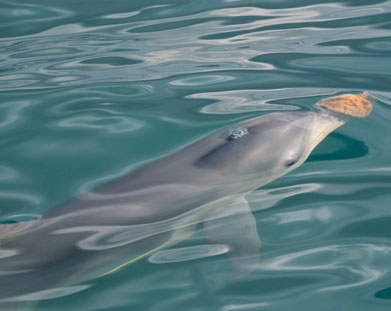
Dolphins put sponges on their beaks to protect them when fishing on rocky seabeds.

Georgetown professor Janet Mann discovered that dolphin mothers hand down to their calves the use of sponge tools, such as the one being used by this dolphin, for foraging

So the goal posts moved …

Humans are unique because they don’t just use tools, they make them, requiring forward planning. The ability to envisage something that doesn’t yet exist.

So what’s unique about that? Lots of creatures make tools.

Like the Mandrill at Chester Zoo who stripped a twig and used it to clean its toenails.

OK, so humans live in society, they cooperate.

Well, guess what, plenty of animals cooperate.

Right. Well, what about symbols? Humans, uniquely, use symbols.

Ha! Gotcha!

Erm….

Apes – and even pigeons – have been taught symbols and can use them too.

Sigh.

What about rituals – non-practical routine behaviour? Finally, a truly human…

Nope. Take a look at this:

These chimps are throwing rocks at a tree, leaving them in heaps in a hollow trunk. Why? No apparent reason. Possibly the sound they make. Chimps have been known to bang on hollow trunks to make loud noises, like gorillas do in King Kong films 😉 Possibly for territorial dominance reasons. But why this? It’s a mystery. So far. Credit: ‘Ritual’ stone throwing by chimps in West Africa, article in Nature, Kühl et al 2016.
And so it goes on.

The gist of this is, there aren’t many basic functions, in terms of what our brains can do, that separate us from other animals. It’s more a matter of degree than kind.

But what about our physiology?

Well, that’s different.

Perhaps it’s simply a stroke of luck (or misfortune, depending on your viewpoint) that by evolving opposable thumbs (and having voice boxes that enabled complex sound-making) we became top species. For the time being…

Some believe we have a soul, a spirit independent of our biology. That’s what makes us different.

I wanted to believe that one, but recently heard an interview with an eminent scientist. She took LSD as a college student, had an out-of-body experience. Ever since, she’s been trying to find out if such an experience was ‘real’.  She’s no longer young – and as yet the results are negative.

But what about emotions? Aren’t they uniquely human?

Erm, no. Animals apparently feel fear and even, arguably, happiness.

What about abstract thought, then?

No, I’m sorry, this is getting beyond me.

I want to take a break from rational thought.

Turn to that man.

That bomber.

That human being.

What made him able to do what he did?

Most people will agree if I say it was an evil act.

Today I read a very clear analysis, by Patrick Cockburn in the Independent, of what’s behind this kind of act. At the risk of wearing out your tolerance, here are some key extracts:

… Salafi jihadism, the core beliefs of Isis and al-Qaeda, developed out of Wahhabism, and has carried out its prejudices to what it sees as a logical and violent conclusion. Shia and Yazidis were not just heretics in the eyes of this movement, which was a sort of Islamic Khmer Rouge, but sub-humans who should be massacred or enslaved. Any woman who transgressed against repressive social mores should be savagely punished. Faith should be demonstrated by a public death of the believer, slaughtering the unbelievers, be they the 86 Shia children being evacuated by bus from their homes in Syria on 15 April or the butchery of young fans at a pop concert in Manchester on Monday night.

[…]

One of the great cultural changes in the world over the last 50 years is the way in which Wahhabism, once an isolated splinter group, has become an increasingly dominant influence over mainstream Sunni Islam, thanks to Saudi financial support.

[…]

[Western] Leaders want to have a political and commercial alliance with Saudi Arabia and the Gulf oil states. They have never held them to account for supporting a repressive and sectarian ideology which is likely to have inspired Salman Abedi. Details of his motivation may be lacking, but the target of his attack and the method of his death is classic al-Qaeda and Isis in its mode of operating.

The reason these two demonic organisations were able to survive and expand despite the billions – perhaps trillions – of dollars spent on “the war on terror” after 9/11 is that those responsible for stopping them deliberately missed the target and have gone on doing so. After 9/11, President Bush portrayed Iraq not Saudi Arabia as the enemy; in a re-run of history President Trump is ludicrously accusing Iran of being the source of most terrorism in the Middle East. This is the real 9/11 conspiracy, beloved of crackpots worldwide, but there is nothing secret about the deliberate blindness of British and American governments to the source of the beliefs that has inspired the massacres of which Manchester is only the latest – and certainly not the last – horrible example

Well, that’s how – but ‘why’, on an individual level, is still the question I can’t answer.

Why is this branch of Islam – why are these men – so intolerant? Why do they need to control and repress in this joyless, savage way?

Illogical, un-natural – it doesn’t seem to have an evolutionary benefit.

And I see it as evil.

Is evil a truly defining human trait? One that really distinguishes us from other animals?

And if so, why are we capable of it?

I wanted to do more with this post. Too much, I know.

To ponder why so many humans are manipulated – or managed, if you prefer the less emotive term – by so few. In business, in politics, in religion.

And radicalised by zealots.

I wanted to talk about artificial intelligence and the ‘evolution’ of robots. The machines we are told look set to assume our human role in this world.

But who don’t – yet – have emotions. Who don’t – cannot? – have souls.

Watching the clip in this report, of a robot approaching the Provisional IRA bombing that destroyed Manchester’s Arndale Centre in 1996, my husband said he felt fearful on behalf of the robot and sad it blew up.

I want to ask, do we, as humans, feel too much? Or not enough?

Are we too empathetic or too apathetic? Too hate-filled, too evil? Too blind?

Are those our existence-threatening weaknesses, our truly human qualities?

Some won’t notice the insidious usurping of the human role by robots. They will welcome the convenient, efficient, calmly-caring pseudo-humans that look after them or do their housework.

But what happens when humans – as a species – become redundant?

Or, to put it more coldly, what happens when we humans cease to be – resources?

Will we as a species, survive?

And, ultimately, what does it matter?

And to whom?

I’m heading for the hills.


The great question has been solved again, I am told. Now the behaviour that is uniquely human (for how long?) is the ability to make tools with tools. Though crows come close with string and twigs. Don’t watch Hitchcock’s ‘The Birds’ after thinking about this.

Posted in Thinking, or ranting, or both | Tagged , , , , , , , , , , | 25 Comments

In the midst of life

Saturday 17 December 1983. The Science Museum basement, London

Not many people – to my knowledge – had seen that basement. Apart from staff. But there wasn’t time for a good look around. There had been a bomb threat and we were being shepherded out at speed.

Little did we know but, not far away, a bomb had exploded outside Harrods killing five people. Ordinary people shopping, on a Saturday afternoon, at one of the world’s most famous department stores. Just a week before Christmas.

Here is how the New York Times reported it:

LONDON, Dec. 17— A car bomb exploded here today in a street crowded with Christmas shoppers outside Harrods, the department store, killing 5 people and wounding 91 others.

There were no immediate claims of responsibility for the blast, but Scotland Yard officials said they were convinced it was the work of the Irish Republican Army.

The dead lay with the wounded on the rubble-strewn street as the remnants of the explosive-laden car and others caught in the explosion burned fiercely.

Wrapped Gifts Strewn About

Some of the wounded, covered with blood and stunned by the explosion, sat numbly, waiting for help. Distinctive olive-and-gold Harrods shopping bags lay in the gutters, spilling brightly wrapped gifts into the street.

Not far away, in the museum district, we wondered what to do. Some idiots pressed close to the security cordon blocking the street, not thinking what might happen if a bomb did go off.

We decided to head back home.

Home was a flat in southeast London. Not a swanky area. Just a place I could afford to buy, after years spent renting dismal bedrooms in other people’s houses.

But it was mine. And I loved it.

The flat, unusually for London, gave me access to a big back garden shared with the other flats in that converted, Victorian, terraced house.

A huge tree shaded the far end.

Beyond it were three garages. Beyond them a workshop.

In that workshop were many whole and partial washing machines. And Sammy.

Sammy was Irish. And I treated him with extreme politeness.

Just in case.

Just in case he was a terrorist. An active member of the IRA, or the Provisionals.

I hoped he wasn’t, he was a pleasant chap. But he had all the necessary ingredients.

Irish, male, not too old, not too young. Lots of spare mechanical parts – either camouflage or useful – and an out-of-the-way workshop accessible only through our flats or down a cobbled back alley, past a gate.

Also down that alley was a row of garages, one containing a horse. Now and then I’d bump into ‘Fingers’ – so called because of his lack of them on one hand. Fingers was a rag and bone man. The cart pulled by that horse was his working vehicle.

I often saw him, sitting on a straw bale, feeding the horse, talking to it. Or passing the time of day with Sammy.

But daily life in 1980s London – and before it the 1970s – could be tense.

Roads closed for bomb alerts.

Bullet-marked walls.

Political figures assassinated.

Hostages taken.

Attacks on ‘soft’ military targets, like musicians giving concerts in public parks.

Constant vigilance on the underground. Occasional evacuation when suspect packages were found.

Pub bombings.

It was the ordinariness of those last three targets that made wariness an essential way of life.

But in the early ’80s, there was a kind of ‘arrangement’ with the IRA. Code words would be given to confirm that telephoned threats were real, usually giving time – in theory – for police to evacuate areas of civilians.

On the day of this particular Harrods bombing (there have been others) a warning was phoned and received. Other warnings were given, too, for shops elsewhere in London. Stretching the security services and paralysing the city’s commerce.

Members of staff at Harrods were given a code word over the PA system, told to look for suspect parcels inside the store. But the bomb was outside. That’s where people died.

In the worst years of the ‘troubles,’ many innocent people met their ends at the hands of the IRA, but also at the hands of other terrorist groups. And, yes, at the British army’s hands. I’m not on anyone’s side in this except that of the injured and dead innocent.

And the terrorism wasn’t confined to London, of course.

In 1996 a massive bomb was exploded in Manchester city centre by the Provisional IRA.

A warning was received 90 minutes before the blast occurred. This footage, published in 2016 by the Manchester Evening News, shows how touch-and-go it was that day.

http://www.manchestereveningnews.co.uk/news/greater-manchester-news/new-video-ira-manchester-bomb-10850795

Money poured into Manchester for extensive rebuilding – which some say spurred that formerly-smoky industrial city’s recent cultural renaissance.

Then, yesterday, terrorism found Manchester, again.

But.

What we had in Manchester yesterday was a different kind of terrorism. Terrorism twenty-first-century style.

Young girls were having the night of their young lives. The princess of their fairy-tale dreams was live on stage.

Concert over, they were shopping, perhaps, for merchandise, when the bomb went off.

No warning.

The IRA’s cause was ultimately political, not religious – though religion, to be sure, came into it. I’ll say no more about that, there’s too much on all sides that can offend, hurt, be regarded as sympathetic or offensive to the ‘wrong’ side. Whichever that is.

But this ruthless, callous, cold-hearted man was driven by – what?

A man who thought the lives of young girls – living their dream for one night – were worth nothing.

What religion could condone such a thing?

These are not religious zealots.

These are not human beings.

Terrorism leaves us no choice but to carry on. It’s not being brave, it’s essential.

And we may – we will – feel fear. But evil won’t overcome, unless we let it.

I wish the world was free from terrorism, war and poverty.

But it isn’t. So, let’s all keep on hoping, wishing, voting – and doing what we can.

Just keep on being human.

RIP.


[The image is Manchester’s Free Trade Hall, now a hotel.]

Posted in Britain now & then, Thinking, or ranting, or both | Tagged , , , , , , , , , | 21 Comments